

Course “Dredging for Sustainable Infrastructure”; 15-18 June 2026, Delft
Learn how to achieve dredging projects that fulfil primary functional requirements while adding value to the natural and socio-economic systems by acquiring an understanding of these systems in the context of dredging as well as stakeholder engagement throughout a project’s development.
TURBIDITY FORECASTING TO SUPPORT ADAPTIVE DREDGING OPERATIONS
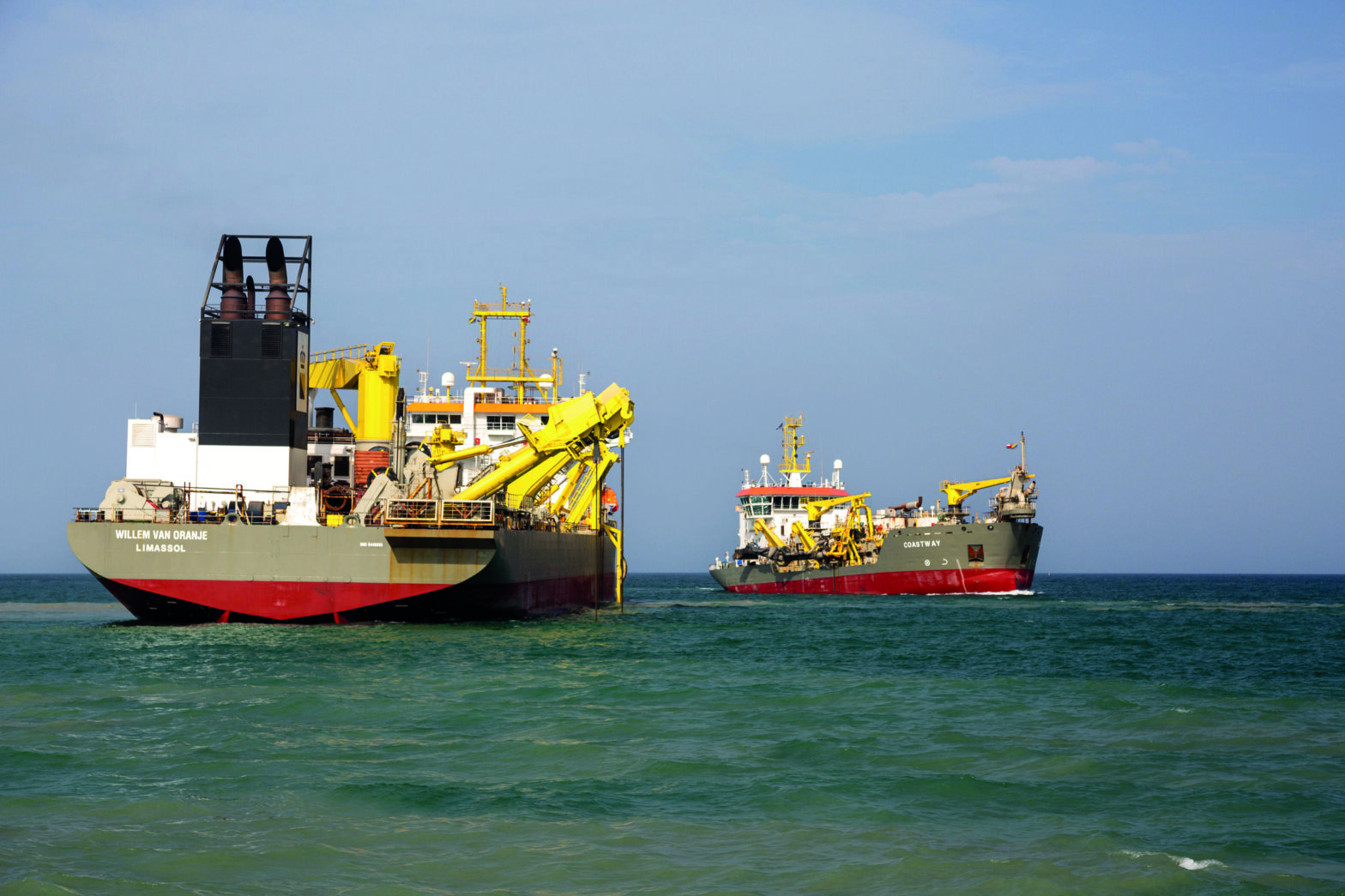
The Port of Sohar, located in the Gulf of Oman, is constructing a jetty close to a critical industrial seawater intake. The project includes capital dredging of a navigation channel, turning circle and berth pocket, where turbidity control is essential to protect water supply operations. A pre-tender assessment identified potential exceedance of turbidity limits under unfavourable conditions, leading to strict permit requirements. To address this, a turbidity forecasting model was developed to support daily operational decisions. Using wind, tides, dredging plans and soil properties, the model enabled proactive, adaptive dredging while maintaining compliance and optimising productivity.
Editorial: Creating greater social value
Guest editor - René Kolman, former IADC Secretary General
ASSESSMENT AND MANAGEMENT OF SUSTAINABILITY
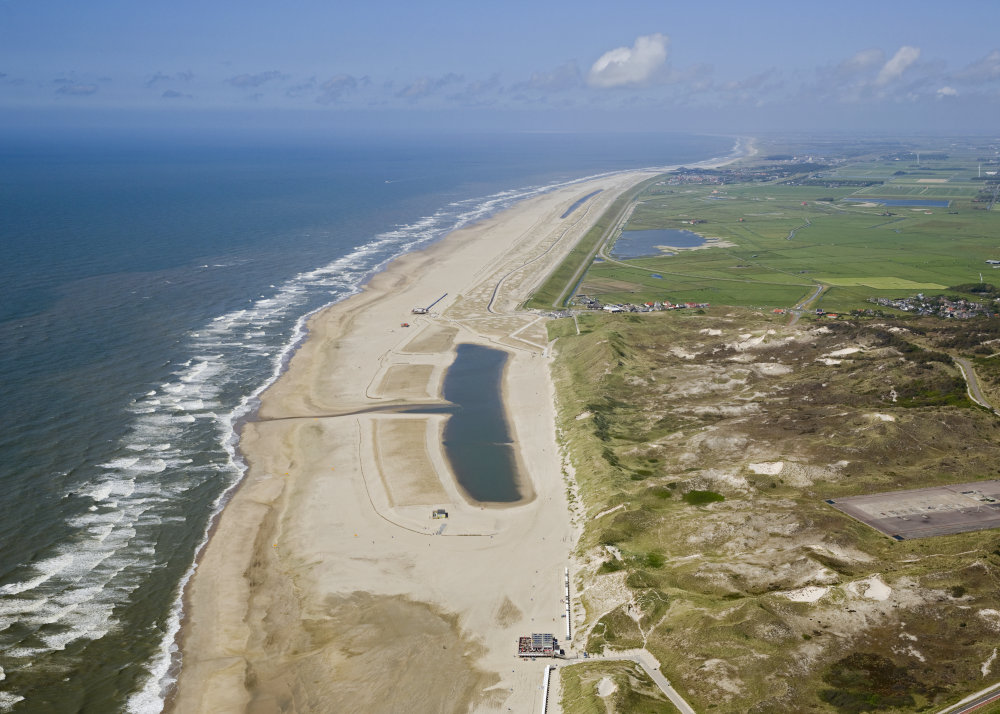
In the last edition of DFSI Magazine, the concept of how to integrate sustainability in relation to dredging projects was explained. The focus of this article, adapted from the fourth chapter of the Dredging for Sustainable Infrastructure book (2018), discusses the assessment and management of sustainability activities that need to be implemented in a project and provides the theme for this issue.

Community-based ecological mangrove restoration IN QUELIMANE, MOZAMBIQUE
The Quelimane Mangrove Restoration (QMaR) initiative, led by Van Oord, demonstrates a community-based ecological approach to mangrove restoration. Through hydrological interventions and alternative livelihood initiatives, 4 hectares of degraded mangrove habitat are being restored. One year after implementation, seedlings have established and grown well, especially near natural water sources. Over 100 community members have participated in an alternative livelihood programme, reducing dependence on mangrove logging and improving household incomes. Some even made investments such as purchasing property, demonstrating enhanced economic stability. These results highlight the critical role of integrating ecological restoration with community empowerment and livelihood support in achieving sustainable mangrove restoration.

GULHIFALHU RECLAMATION PROJECT
Environmental and social management in marine infrastructure projects is fast evolving. In Gulhifalhu’s pristine waters, Boskalis delivered one of the Maldives’ most complex dredging and reclamation projects amid sensitive habitats and high stakeholder expectations. Guided by international best practice and close collaboration with partners, robust controls safeguarded marine habitats while enabling development. The result stands as a blueprint for future projects, demonstrating that sustainable marine infrastructure can deliver lasting benefits for nature, communities and economic progress.
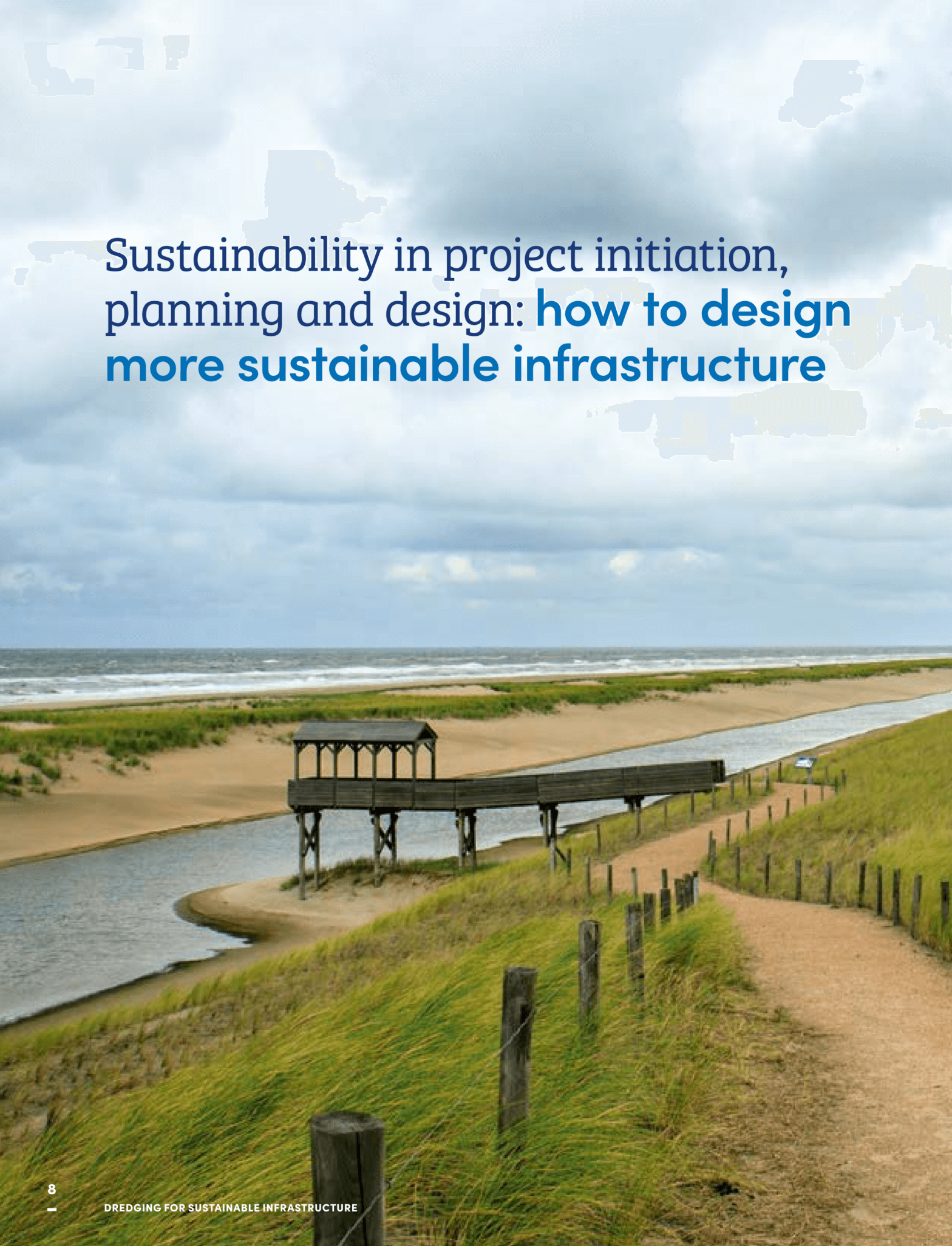
Sustainability in project initiation, planning and design: how to design more sustainable infrastructure
In the first DFSI Magazine, the concept of sustainability in relation to dredging projects was explained. How to integrate this concept in project design is the focus of this article, adapted from the third chapter of Dredging for Sustainable Infrastructure (2018), and provides the theme for this issue.
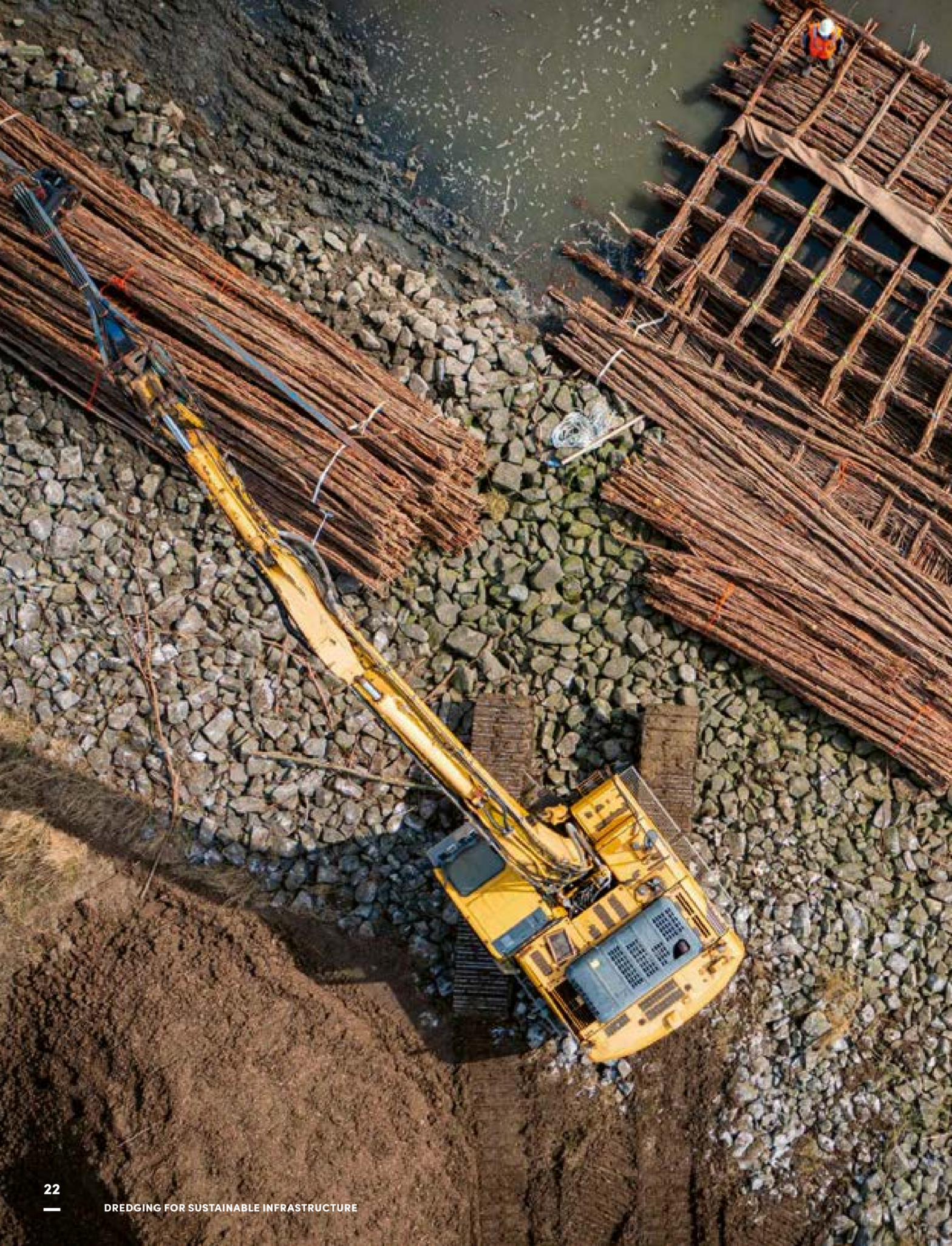
Bankbusters: Ecosystem-based riverbank management
Estuarine tidal wetlands offer vital ecosystem services, including flood protection, erosion control and water purification. However, these estuarine ecosystems actually face significant pressures caused by both human activities and natural forces, leading to habitat and ecosystem degradation and loss. The Bankbusters project adressess these issues by reusing soft dredged sediments to restore tidal marshes and mudflats as natural riverbank systems. As such, this initiative promotes biodiversity, enhances flood resilience and supports sustainable economic growth through innovative, eco-friendly and resilient solutions in the Scheldt estuary.