

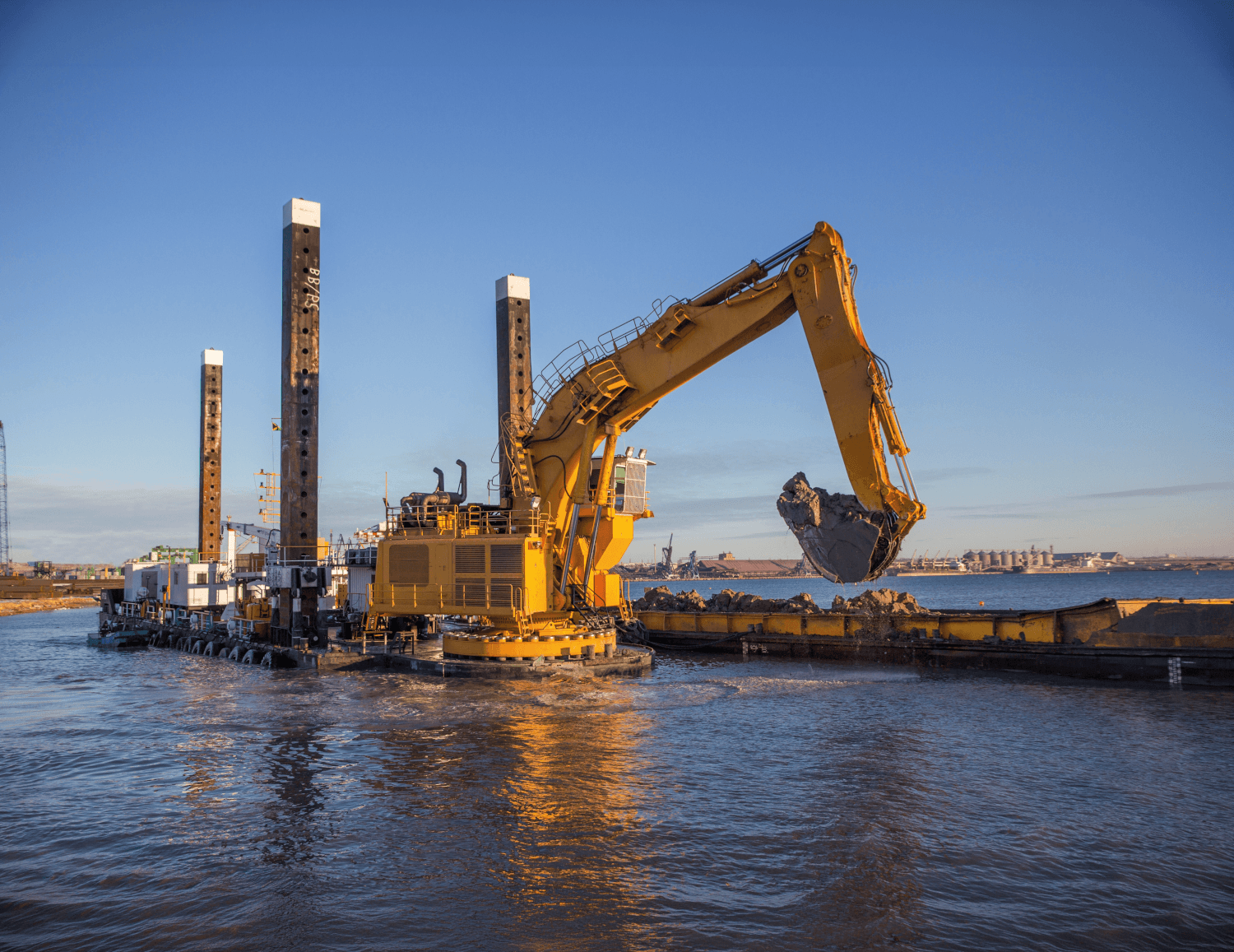
THE ROLE OF A DREDGING EXPERT WITNESS
In arbitration or court proceedings, the role of an expert witness is crucial, especially in a specialised field such as marine infrastructure and dredging. An effective dredging expert witness can significantly influence the outcome of a case by providing clear, unbiased and well-supported testimony. This article explores what makes an effective dredging expert witness, their duties to the tribunal, what to look for when selecting an expert, common mistakes made by experts and lessons from two notable expert witness cases.

MEET ARNOLD DE BRUIJN, IADC’S NEW SECRETARY GENERAL
On 1 November 2025, I stepped into the role of Secretary General of the International Association of Dredging Companies (IADC). In many ways, it felt like the natural continuation of a journey that started long before I ever imagined a career in dredging. My fascination with water, the maritime world, engineering and, above all, teamwork has shaped every decision I have made, from my earliest days in the Sea Scouts to becoming a naval architect and, later, an association professional. Looking back, each chapter prepared me for this new responsibility: helping guide an industry that shapes coastlines, protects communities and keeps global trade moving. This article reflects on that journey and shares my perspective on where our industry is headed. It is also the story of how I found myself “stuck in the mud,” why I am grateful for it and why I believe dredging is more essential than ever.
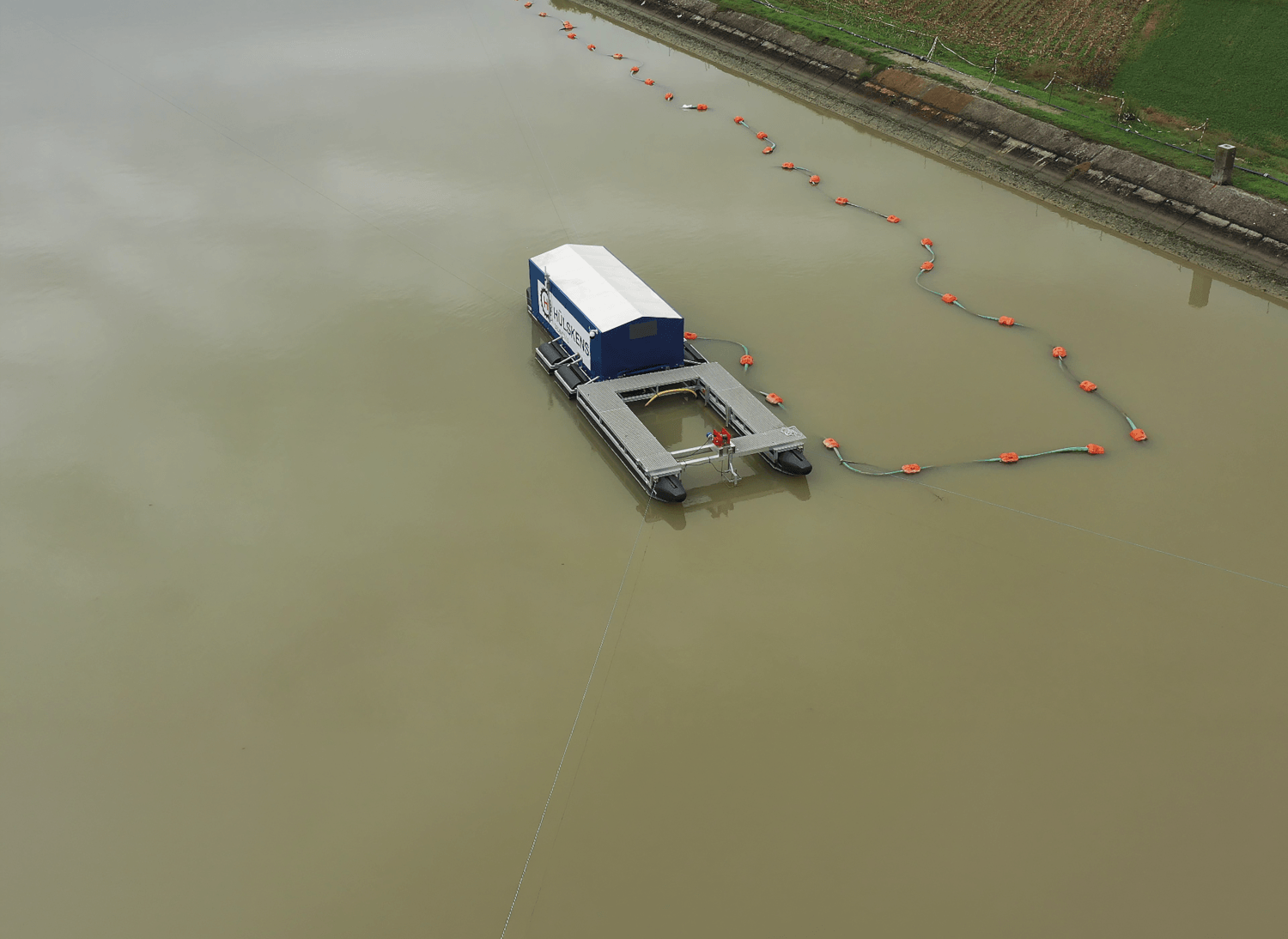
SEDIMENT: THE SILENT THREAT TO RESERVOIR SUSTAINABILITY
Reservoirs are critical elements of global water infrastructure, supporting water supply, flood protection, hydropower generation and ecological functions. Their long-term performance, however, is increasingly undermined by sedimentation – a slow and often overlooked process that reduces storage capacity and disrupts natural sediment continuity along river systems. This article examines sedimentation as a key sustainability challenge for reservoirs and impounded waters. It outlines the causes and impacts of sediment trapping, from declining reservoir capacity to downstream river and delta erosion, and explains why proactive sediment management is essential. The article concludes by presenting continuous sediment transfer as a sustainable approach to maintaining reservoir functionality while restoring sediment continuity.
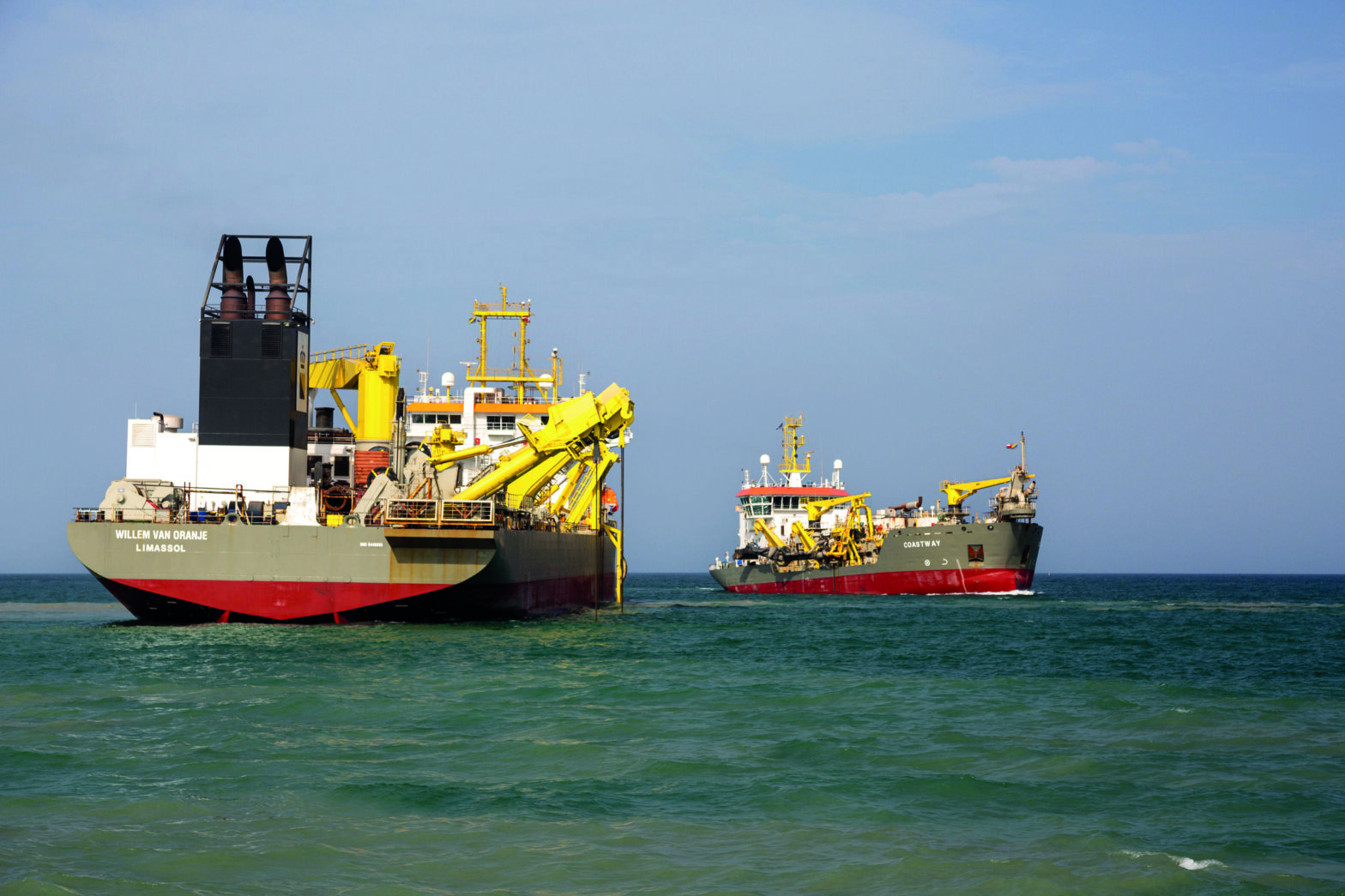
TURBIDITY FORECASTING TO SUPPORT ADAPTIVE DREDGING OPERATIONS
The Port of Sohar, located in the Gulf of Oman, is constructing a jetty close to a critical industrial seawater intake. The project includes capital dredging of a navigation channel, turning circle and berth pocket, where turbidity control is essential to protect water supply operations. A pre-tender assessment identified potential exceedance of turbidity limits under unfavourable conditions, leading to strict permit requirements. To address this, a turbidity forecasting model was developed to support daily operational decisions. Using wind, tides, dredging plans and soil properties, the model enabled proactive, adaptive dredging while maintaining compliance and optimising productivity.

IADC celebrates 50 years of Terra et Aqua!
IADC Celebrates 50th Anniversary of Terra et Aqua!

Out now: Terra et Aqua no. 161.
The last issue of 2020 discusses sediment management technologies, a QGIS plug-in tool, sustainability and subsurface water storage.

IADC appoints Sarah Nunn as new editor for Terra et Aqua
IADC appoints Sarah Nunn as new editor for Terra et Aqua

Out now: Terra et Aqua no. 160.
The autumn 2020 issue of Terra et Aqua highlights a mud consolidator to measure thixotropy and creep and plume predictor to reduce environmental impact. The Deputy Administrator of the Panama Canal talks in an interview about the challenges and rewards of the industry and how her pink hard hat is a statement.