

Editorial: Creating greater social value
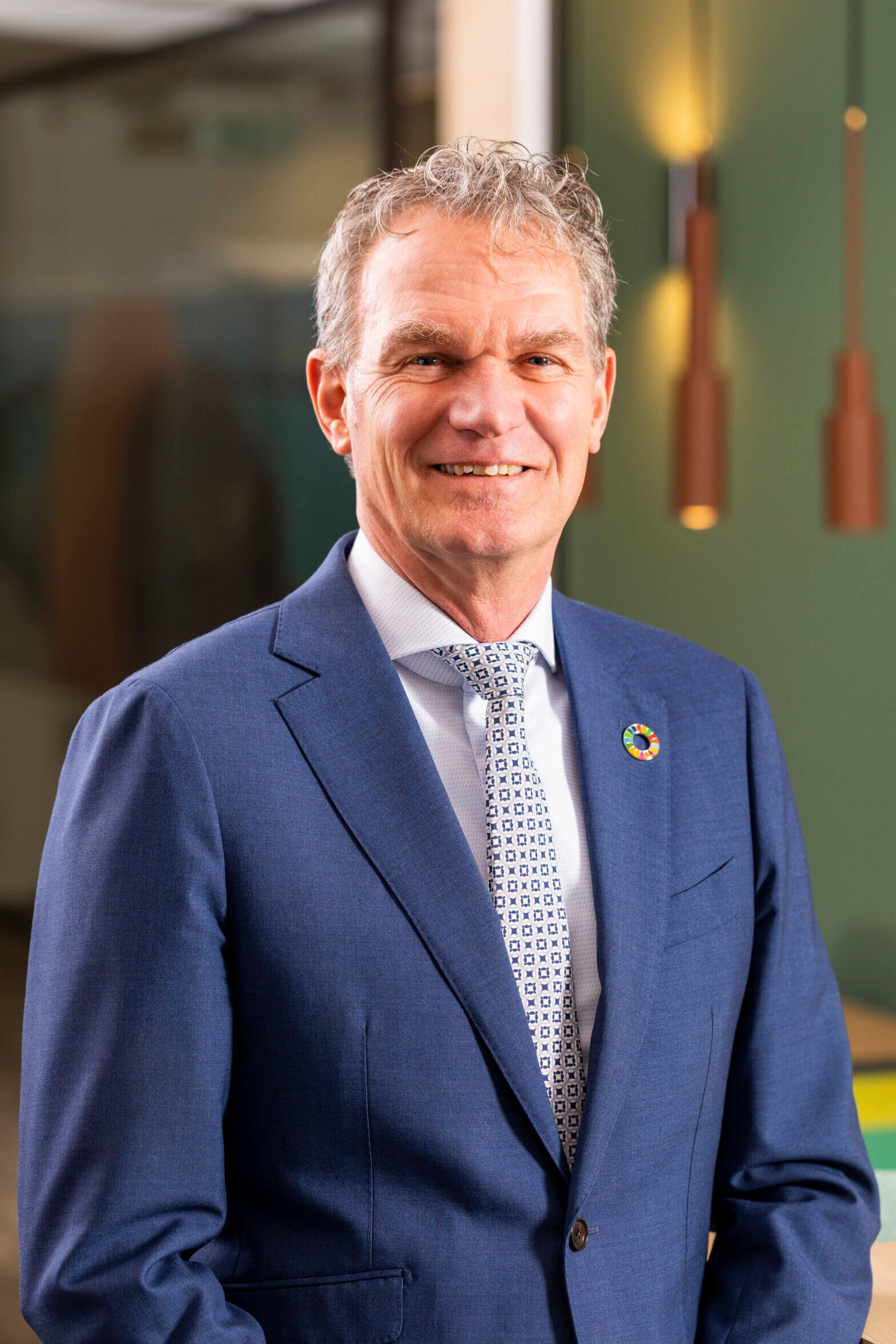
Guest editor - René Kolman, former IADC Secretary General
ASSESSMENT AND MANAGEMENT OF SUSTAINABILITY
In the last edition of DFSI Magazine, the concept of how to integrate sustainability in relation to dredging projects was explained. The focus of this article, adapted from the fourth chapter of the Dredging for Sustainable Infrastructure book (2018), discusses the assessment and management of sustainability activities that need to be implemented in a project and provides the theme for this issue.

Community-based ecological mangrove restoration IN QUELIMANE, MOZAMBIQUE
The Quelimane Mangrove Restoration (QMaR) initiative, led by Van Oord, demonstrates a community-based ecological approach to mangrove restoration. Through hydrological interventions and alternative livelihood initiatives, 4 hectares of degraded mangrove habitat are being restored. One year after implementation, seedlings have established and grown well, especially near natural water sources. Over 100 community members have participated in an alternative livelihood programme, reducing dependence on mangrove logging and improving household incomes. Some even made investments such as purchasing property, demonstrating enhanced economic stability. These results highlight the critical role of integrating ecological restoration with community empowerment and livelihood support in achieving sustainable mangrove restoration.


SENEGAL, NDAYANE PORT CREATING A COMMUNITY-BASED SUSTAINABLE IMPACT
How can we balance the economic benefits of a large port development with measures that protect society and the environment? The deep-water port of Ndayane, 50 kilometres south of Dakar, is a practical example. Developed by DP World, with dredging and reclamation works being done by Jan De Nul, this port facility aims to boost trade and drive economic growth in Senegal, while also showing how major infrastructure projects involving challenging dredging and reclamation activities can create added value for local communities and the surrounding environment.

TALKING HEADS
Successful sustainable port and coastal protection projects require more than environmental impact assessments; an integrated economic analysis that monetises social and environmental impacts is essential to reveal societal value and assess sustainability. We asked two industry professionals to share their expertise on the topic.
Empowering coastal youth through marine education
Dredging projects often focus on engineering and environmental outcomes, but their social impact can be equally transformative. In Costa Rica, DEME’s maintenance dredging works for the Costa Rican Petroleum Refinery (Recope – Refinadora Costarricense de Petróleo) haves parked a meaningful community initiative. Through the “Friends of the Sea” campaign, DEME, in collaboration with the national NGO called Latin American Sea Turtles Association (LAST), engaged young students from Moín Primary School in environmental education, fostering awareness and responsibility. This article explores how dredging projects can serve as platforms for social engagement, education and long-term sustainability.

GULHIFALHU RECLAMATION PROJECT
Environmental and social management in marine infrastructure projects is fast evolving. In Gulhifalhu’s pristine waters, Boskalis delivered one of the Maldives’ most complex dredging and reclamation projects amid sensitive habitats and high stakeholder expectations. Guided by international best practice and close collaboration with partners, robust controls safeguarded marine habitats while enabling development. The result stands as a blueprint for future projects, demonstrating that sustainable marine infrastructure can deliver lasting benefits for nature, communities and economic progress.