


To balance development with environmental and social responsibility, a comprehensive Environmental and Social Impact Assessment (ESIA) laid the foundation for detailed Environmental and Social Implementation Plans (ESIP), guiding the project from early design to on-site execution. In 2024, Jan De Nul commenced dredging the access channel and reclaiming the 89-hectare platform for maritime services and container storage with the cutter suction dredger Willem Van Rubroeck. Besides the standard environmental management, monitoring and contractual requirements, several initiatives were established together with nearby communities, demonstrating how sustainability assessment and management can move beyond compliance.
Authors
How can we balance the economic benefits of a large port development with
measures that protect society and the environment? The deep-water port of Ndayane,
50 kilometres south of Dakar, is a practical example. Developed by DP World, with
dredging and reclamation works being done by Jan De Nul, this port facility aims to
boost trade and drive economic growth in Senegal, while also showing how major
infrastructure projects involving challenging dredging and reclamation activities can
create added value for local communities and the surrounding environment.
Authors
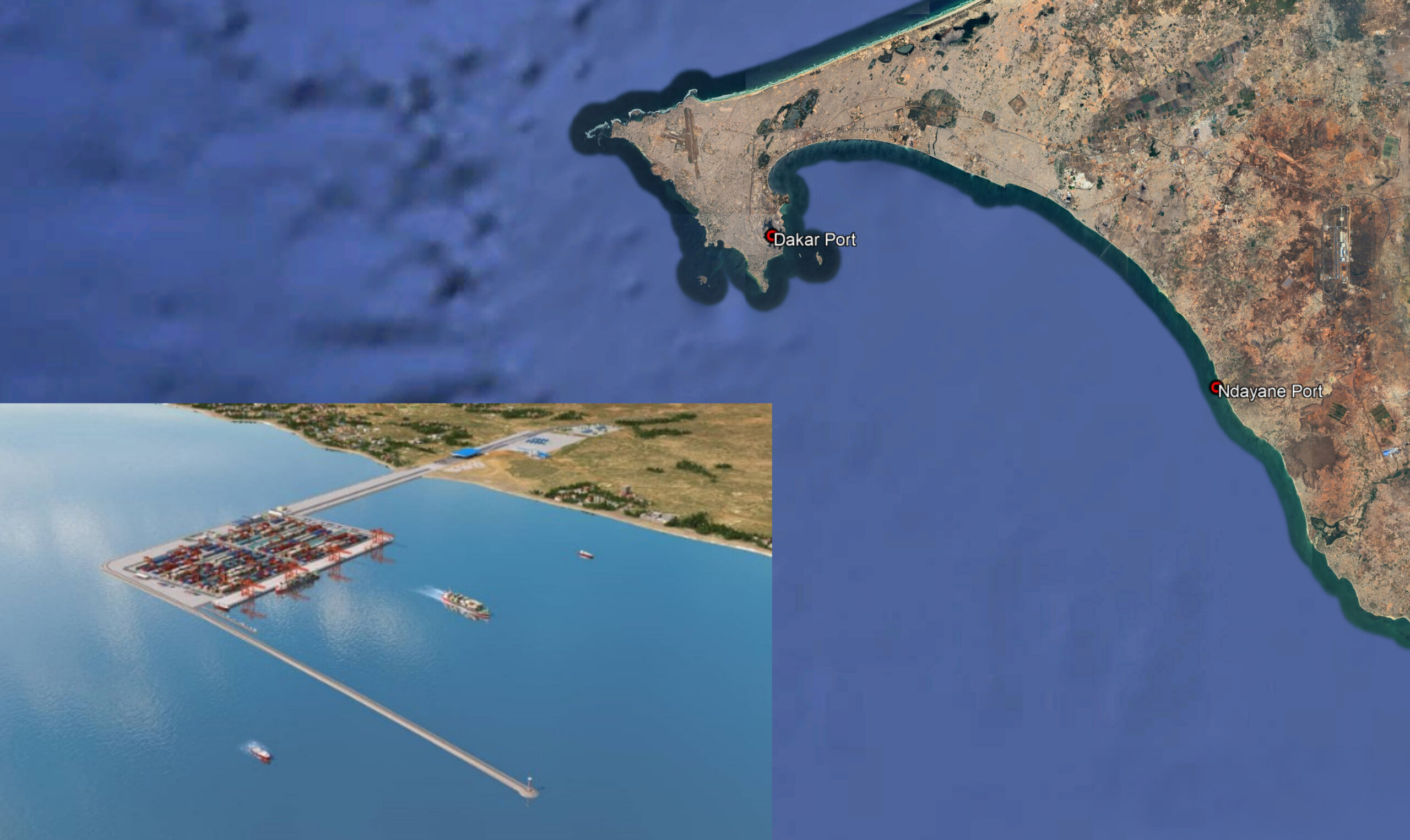
Geographical location and design of the Senegalese deep-water port of Ndayane.
From assessment to action
ESIA as a guide
Large-scale infrastructure projects inevitably raise questions about their environmental and social impact. The Ndayane Port project is no exception. To address all these potential impacts, the ESIA for the port development was finalised in 2021. The ESIA covers the entire project lifecycle from construction to operation, including both environmental aspects, such as air quality, noise and water parameters, as well as social aspects, including fisheries, employment and cultural heritage. This ESIA is more than a simple compliance document or a checklist of requirements. It functions as a tool for transparency, early dialogue and accountability.
Baseline studies form a central part of the ESIA. These studies capture the “before” situation from environmental conditions to social dynamics. During the construction phase, the ESIA and its baseline study are frequently used as reference points to guide monitoring and decision-making. Community knowledge has played a central role in adding local insights into the ESIA. Residents of the Petite Côte know their environment best, whether it concerns fishery patterns, turtle nesting grounds or cultural heritage. Their input helped the assessment but also shaped the design of mitigation measures and the monitoring programme.
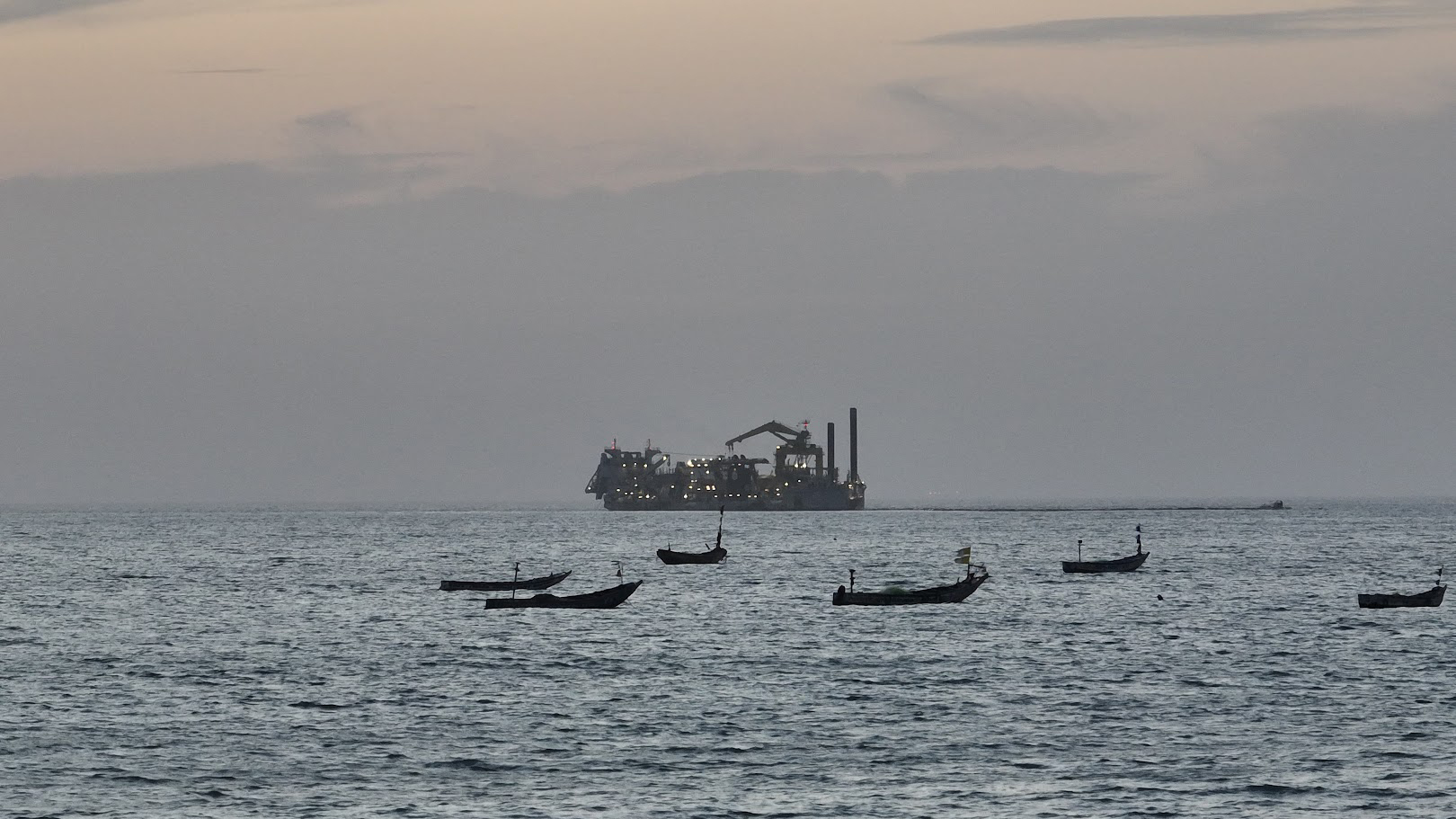
Cutter suction dredger Willem Van Rubroeck at the Ndayane Port project.
From ESIA to ESIPs
The next step was translating the ESIA into ESIPs. These plans serve as practical implementation plans for the construction phase, ensuring that every aspect is addressed through detailed, specific actions. For example, the waste management plan introduces structured collection and disposal methods, while the local employment plan prioritises job opportunities for people living in the surrounding communities. Similarly, the cultural heritage management plan outlines best practices for managing cultural heritage within the project area. For the Ndayane Port project, 15 ESIPs have been developed, each addressing a specific environmental or social aspect of the works.
Translating the ESIA into ESIPs was not without its challenges. On the one hand, construction deadlines are strict, with dredgers and earthmoving equipment working around the clock. On the other hand, community involvement takes time: information sessions, feedback rounds and building trust cannot be rushed. The solution lay in early engagement: communities were informed and consulted well before dredging began as part of the ESIA process, ensuring that concerns were addressed and misunderstandings avoided. One clear example is the ESIP on local employment. In the three communities surrounding the project, information sessions were organised not only to explain the works, but also to give local residents priority access to job applications. In this way, the project generated skills and opportunities that extend beyond the construction site itself.
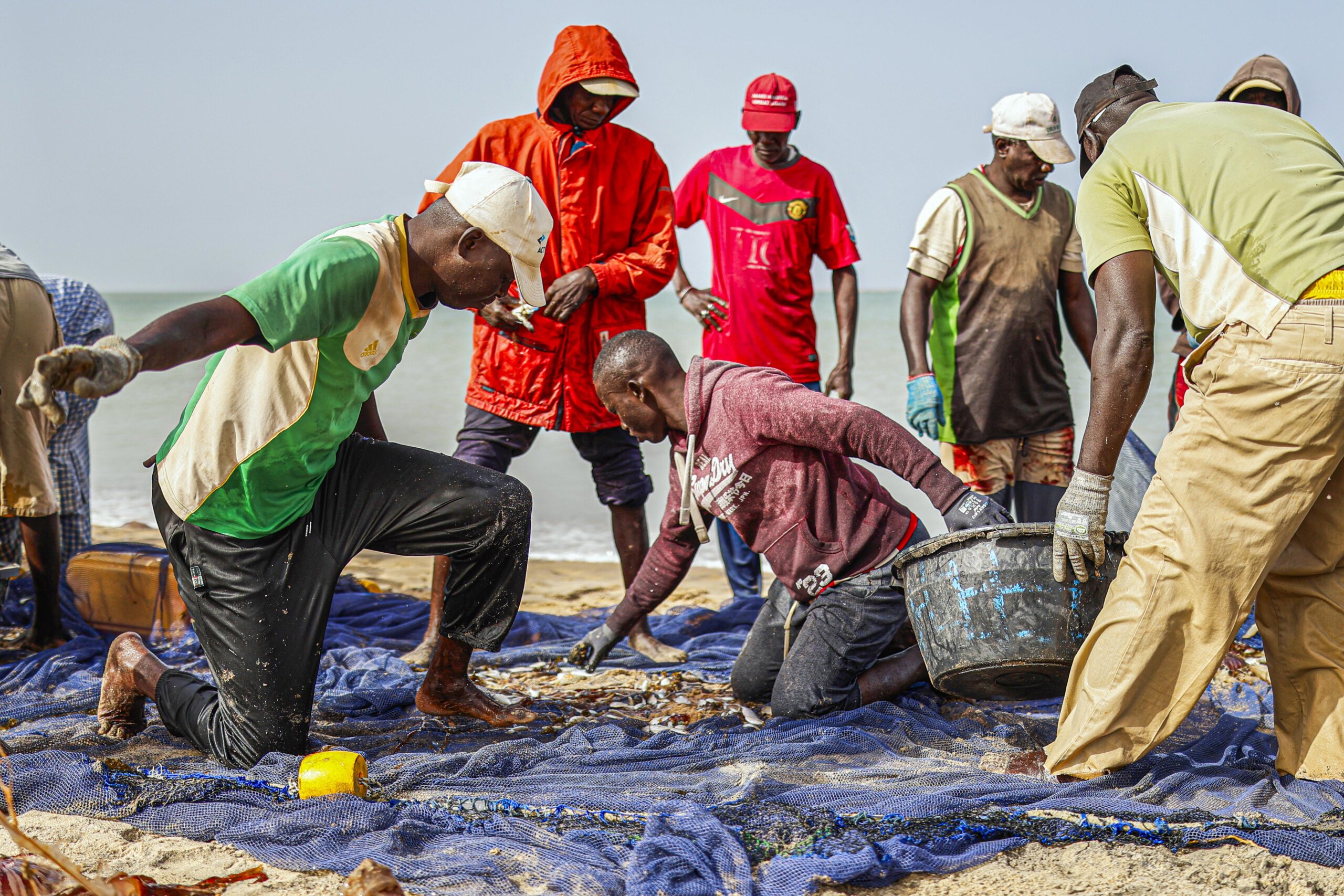
The fishermen community of the Petit Côte.
Monitoring compliance
Taking care of environmental quality
To ensure the project meets its environmental commitments, monitoring is carried out systematically and objectively. Calibrated instruments and standardised methods are used to capture accurate and reliable data. For marine water quality, multiparameter probes equipped with sensors are used to measure turbidity, dissolved oxygen, pH, temperature and conductivity. In addition, turbidity buoys provide continuous real-time data. Air quality and noise measurements are conducted at multiple locations around the site, typically over 24-hour cycles to capture daily variations. As part of the marine scope, a Marine Mammal and Reptile Observation programme has been implemented to monitor and protect sensitive species during dredging activities. Light assessments and cultural heritage monitoring are performed on site using dedicated checklists. For certain parameters, such as water samples requiring laboratory analysis, the project collaborates with accredited local laboratories. This combination of international standards and local expertise guarantees reliable results while strengthening local capacity.
In parallel with field monitoring, turbidity plume modelling was conducted for the designated disposal area, which will be used in the final phase of the project when a trailing suction hopper dredger (TSHD) will clean up the spill in the channel. This predictive model simulates how the sediments disperse in the water column during disposal activities. The results are used to examine the impact of the operations and to adapt if deemed necessary.
Environmental monitoring is not a one- off exercise but an ongoing process that runs throughout the project. Monthly follow-ups give a clear view of trends over time, with results compared against the strictest applicable standards, whether set by Senegalese regulations or the World Health Organisation (WHO). This ensures strong compliance while creating a basis for timely adjustments.
Mitigation measures are defined in the ESIPs and further refined through ongoing monitoring. For example, turbidity levels are tracked continuously during dredging operations, with thresholds in place to trigger immediate operational changes. Similarly, dust emissions on project roads are monitored and regular water spraying is applied. This adaptive management approach is increasingly being applied in dredging projects, where monitoring results are compared against the ESIA baselines and trigger values to fine-tune mitigation measures.
Regular trainings and awareness sessions are organised for the entire project team, both onshore and offshore. Toolbox talks, safety drills and dedicated environmental briefings ensure that every team member understands the environmental scope of the project, knows how to identify potential risks and takes responsible actions in daily operations.
Local employment workshops at the communities around the Ndayane Port project.

Social concerns
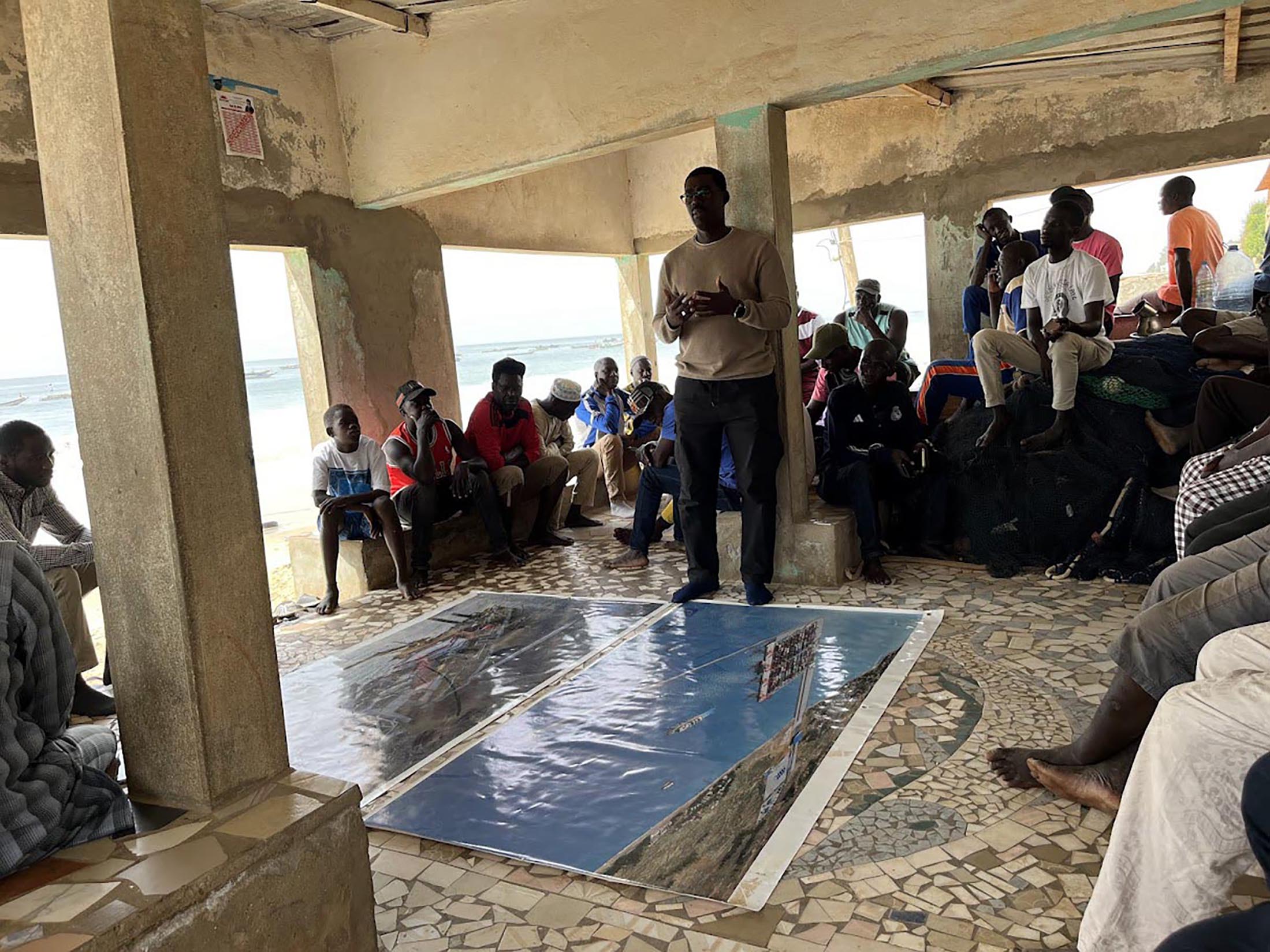
Importantly, the Ndayane Port project’s monitoring efforts go beyond environmental concerns. A clear example is the safety no-go zone around the dredging area. Local fishermen were initially concerned that it would interfere with their activities. To address this, the project team organised several information sessions, explaining the purpose of the zone and engaging the fishermen themselves in respecting and even safeguarding it. By combining technical monitoring with open dialogue, the project not only achieved smoother operations but also fostered stronger trust within the community.
One of the key pillars of the project is engaging and supporting the local workforce. Rather than outsourcing specialised tasks, opportunities were created for local workers on the job. An important example is our local welders. Experienced welders from the project team mentored young community members, guiding them through the techniques of cutting, joining and shaping steel. This hands-on approach not only enhanced the quality of the work on site but also provided trainees with a marketable skill set that will remain valuable for the rest of their career. For many employees, this training represents the first step towards sustainable employment and financial independence.
Our local workers play a crucial role in turning plans into reality. To strengthen communication and ensure their perspectives are heard, a grievance box was installed on site. Workers are invited to submit their ideas or concerns, which are reviewed weekly by the project team. This simple initiative has proven to be a valuable channel for feedback, helping to identify improvements for the site operations, safety and daily working conditions. It has fostered a culture of openness where the workers know that their voices matter.
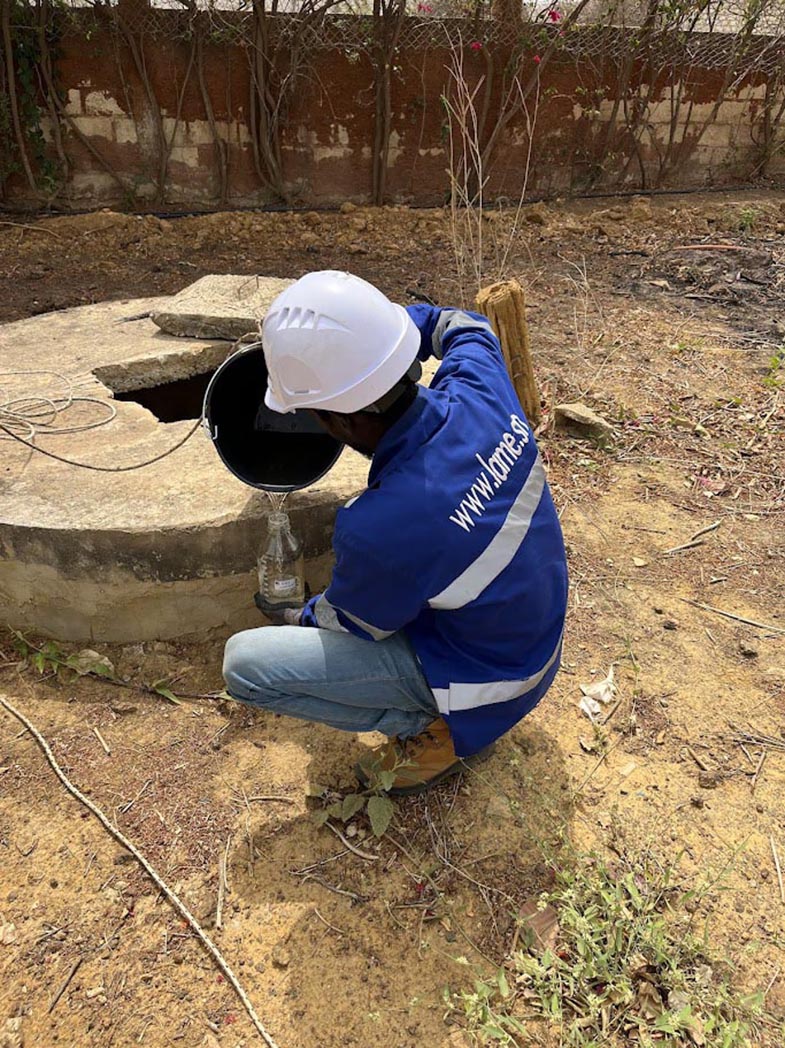
Water quality monitoring with the local laboratory.
Sustainability beyond compliance
Besides complying with the ESIA requirements, several initiatives were carried out in close collaboration with the local communities, pursuing shared sustainability values. One of the most visible activities has been the regular organisation of beach cleanups, often bringing together up to 100 participants. During the turtle nesting season, those cleanups were even organised on a monthly basis. The Petite Côte is a known nesting area for sea turtles and waste or debris on the beaches can prevent turtles from laying their eggs or threaten hatchlings. By cleaning the beaches and raising awareness, the community contributes directly to turtle conservation.
The importance of this work was particularly highlighted during World Turtle Day, when a special cleanup was organised with local schoolchildren under the slogan “Zéro Plastique, c’est Fantastique”. The day began with an awareness session, teaching the children about the dangers of plastic pollution, especially to marine wildlife and explaining the importance of maintaining clean coastal environments. Students actively participated in the discussions and learned about the long-term impacts of plastic waste on ecosystems and human communities. After the awareness session, everyone joined forces for a beach cleanup along the Ndayane coast. Armed with gloves and rubbish bags, the participants collected plastic waste along the shore, removing a significant amount of debris and leaving the beach in a much healthier state. To symbolise this effort, welders from the project’s workshop created a turtle- shaped waste bin, named Ecotuga. The children helped fill the turtle with the plastic bottles they had collected. Today, the turtle serves both as a functional bin and as a mascot for environmental awareness.
Environmental training and awareness sessions for the entire project team.

A safety meeting with the fishermen community to explain the dredging and reclamation works.
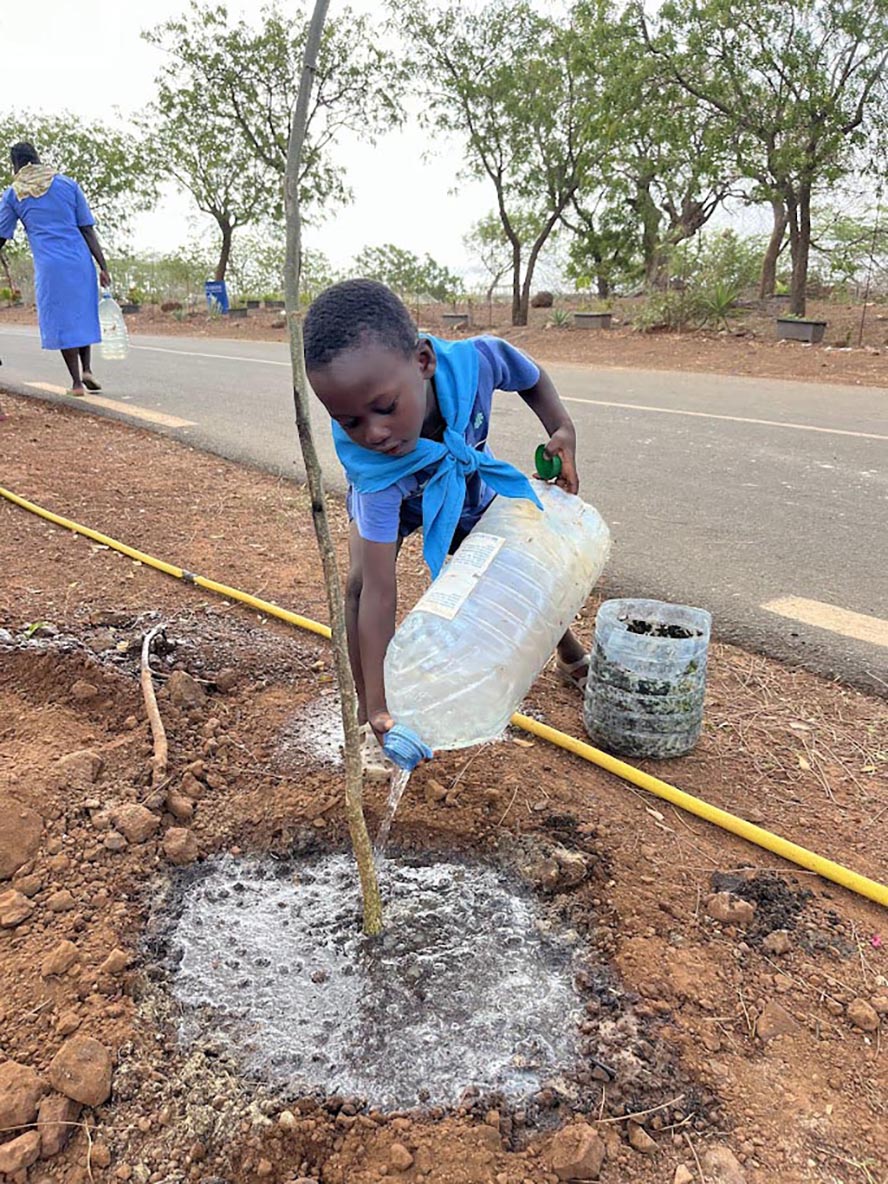
Environmental actions are not limited to the coast. In collaboration with the sisters of a local convent, the project supported the planting of 100 young trees. Community members and project staff were divided into teams, each taking care of a specific task: preparing a fertile plant substrate, digging pits, planting trees, watering and building protection against roaming animals such as goats. Over time, these trees will provide shade during the hot and dry season for both people and animals, improve air quality and create pleasant community spaces, reinforcing the idea that sustainability is a shared responsibility.
Capacity building was also addressed through education. Evening English language classes were organised for workers, taught by a community teacher. The response has been enthusiastic, with workers recognising the long-term value of language skills. For many, this is the first step towards broader career opportunities, not only within the port project but also in the wider job market.
Although these initiatives were not prescribed by the ESIA, they illustrate how close interaction with the communities can highlight key concerns and leave space for creative, locally adapted responses. The combination of environmental, social, and educational actions demonstrates how a project can move beyond compliance and contribute to meaningful, long-lasting benefits. These positive impacts may continue long after the project construction activities have ended. The project is also continuously exploring initiatives to support local pilot programmes to enhance biodiversity, including the potential establishment of mangrove planting programmes.
Beach cleanup on World Turtle Day: Zéro Plastique, c’est Fantastique.


Port du Futur
The story of sustainability at Ndayane Port is still unfolding. Several ideas are already on the table for the coming months, with a particular focus on waste management. Community members have highlighted the lack of formal waste disposal points, with litter often left on the streets. Plans are being developed to establish small recycling centres where people can bring their waste. These sites would be managed by trained community members and emptied twice a week in collaboration with local waste companies. In addition, discussions are ongoing with local organisations to recycle the plastic waste from the project into useful products such as furniture.
The long-term ambition is not only to minimise environmental impact during the construction phase of the project, but to also leave behind a culture of sustainability by encouraging people not to throw waste in nature, to see value in recycling and to feel pride in protecting their coast.
The Ndayane Port project illustrates how sustainability assessment and management can go beyond compliance. As the project developer, DP World ensured that sustainability was embedded through a comprehensive ESIA process and executed a suite of implementation plans in collaboration with Jan De Nul. The ESIA provided the framework, the ESIPs translated it into action and the monitoring ensured compliance. Yet, the real added value lies in the extra steps: ensuring fishermen’s safety with agreed no-go zones, engaging schoolchildren in cleanups, planting trees with the local community, teaching workers new skills, etc.
This perfectly aligns with the sustainability strategy of both Jan De Nul and DP World. DP World’s sustainability strategy “Our World, Our Future” sets out the pathway on how DP World operates as a responsible business, prioritising working sustainability and all that entails in terms of impact on people, the environment and the communities. At Jan De Nul, we are helping to build tomorrow’s world whilst taking care of the nature and people around us, in line with our ambition to improve the quality of life of future generations.
The story in Senegal is far from finished. With many ideas still to be realised, Senegal’s Port du Futur continues to plant seeds of sustainability that will keep growing in the years to come.
Tree planting event with the local community.
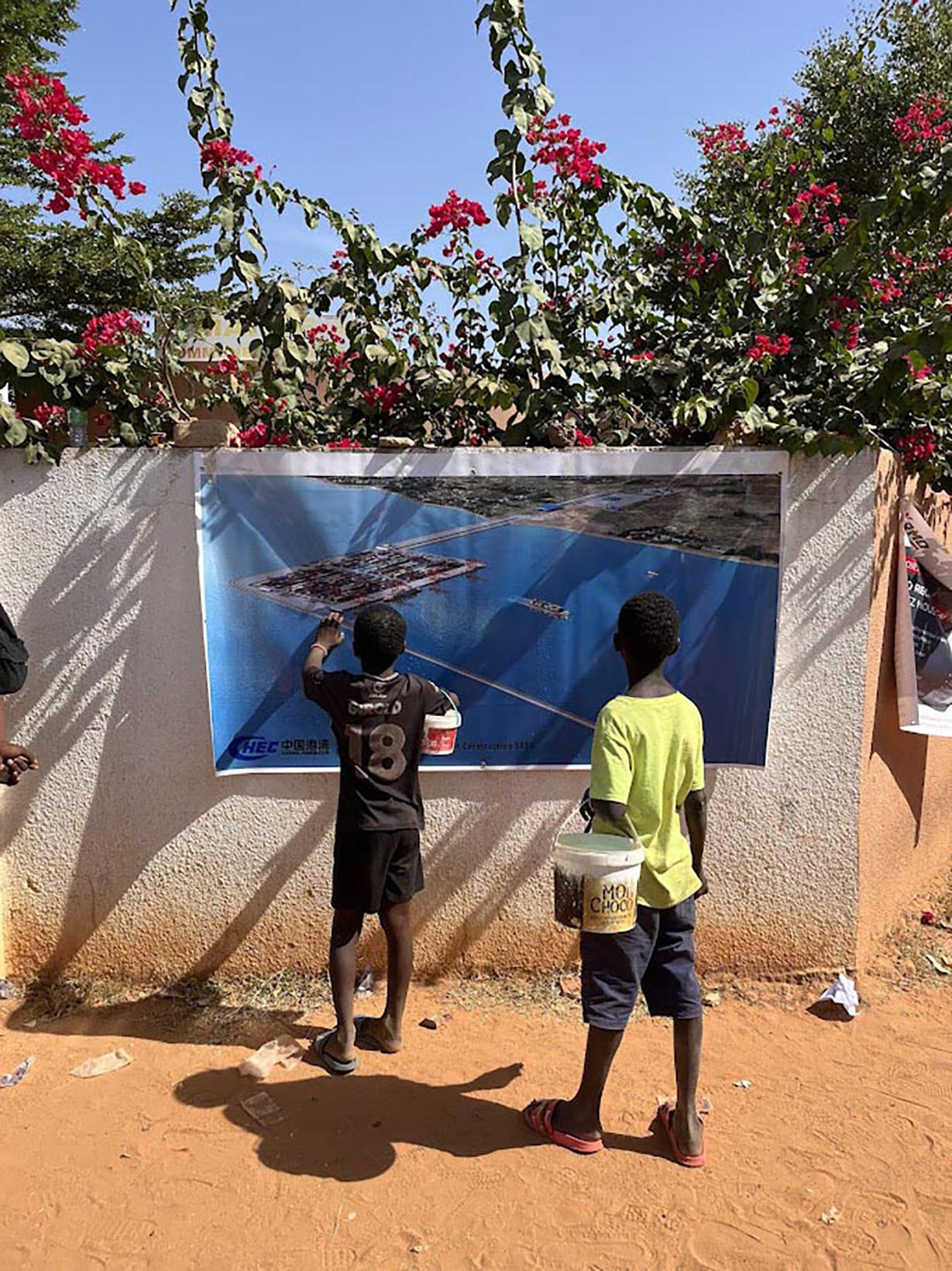
Port du Futur.
Authors
Wouter Schiettecatte

Wouter Schiettecatte graduated with an MSc in Applied Biological Sciences at Ghent University, Belgium. He then worked as a research assistant at Ghent University (Department of Soil Management and Soil Care), where he obtained his PhD in 2006. In 2007, he started working for Jan De Nul as site engineer at the Marine Environmental Department, mainly in New Caledonia and Panama.
OTHER ARTICLES BY THIS AUTHORPDF download
Download the PDF version of this article with high resolution pictures and layout.
Single-page view

Two-page view
