AquaForest: A nature-based solution for dredged sediments
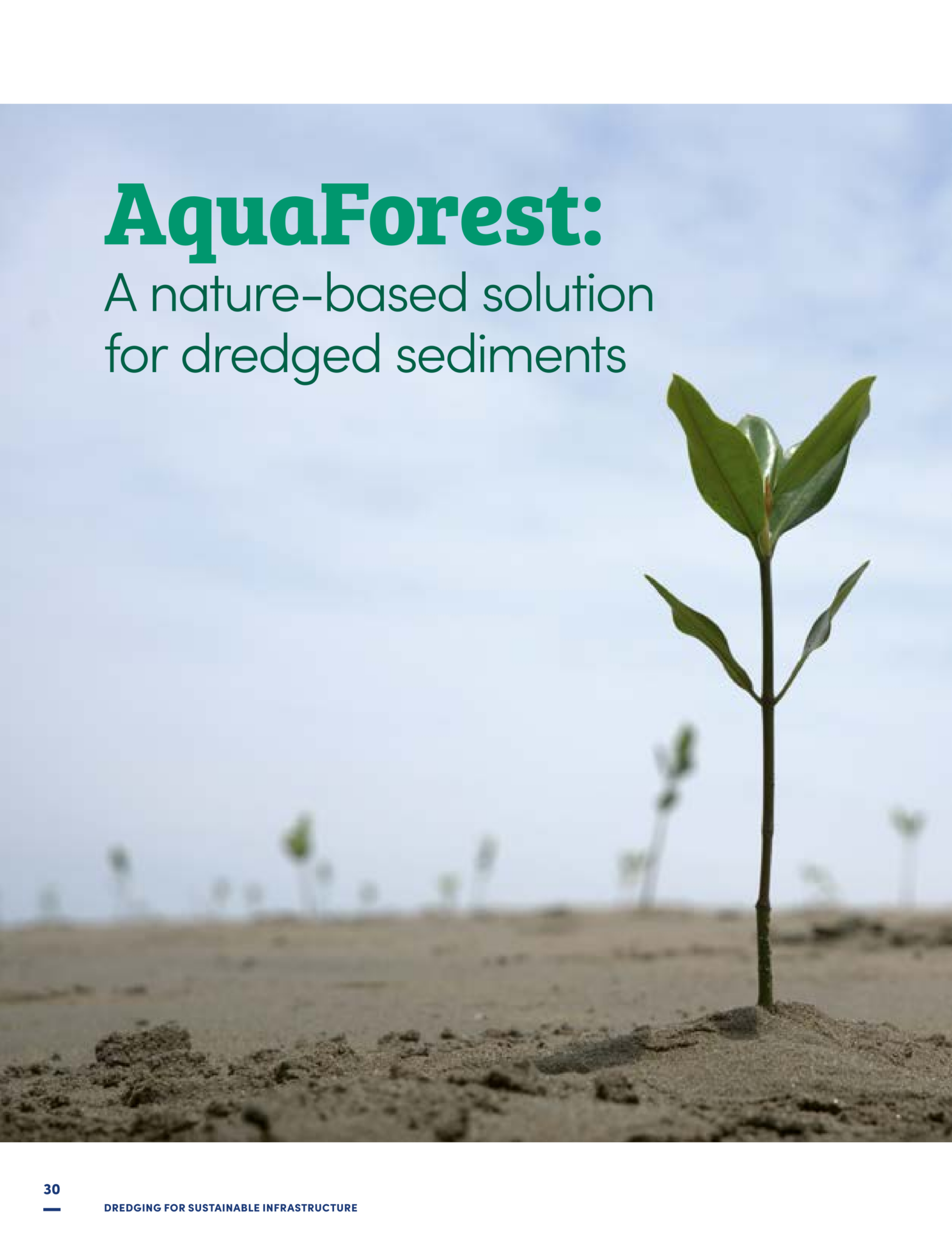
AquaForest is a demonstration project led by Jan De Nul showcasing a green-grey approach, where dredged sediments are being reused to create 50 hectares of mangrove habitat in the Guayas Delta, Ecuador. The project aimed to advance knowledge on the conceptual design and eco-engineering approaches of mangrove habitats, while strengthening local engagement and generating diversified income opportunities for local communities. A new mangrove island was built in the end of 2024 and is currently being monitored to quantify the provision of ecosystem services over time with the aim of future upscaling of this type of nature-based solutions.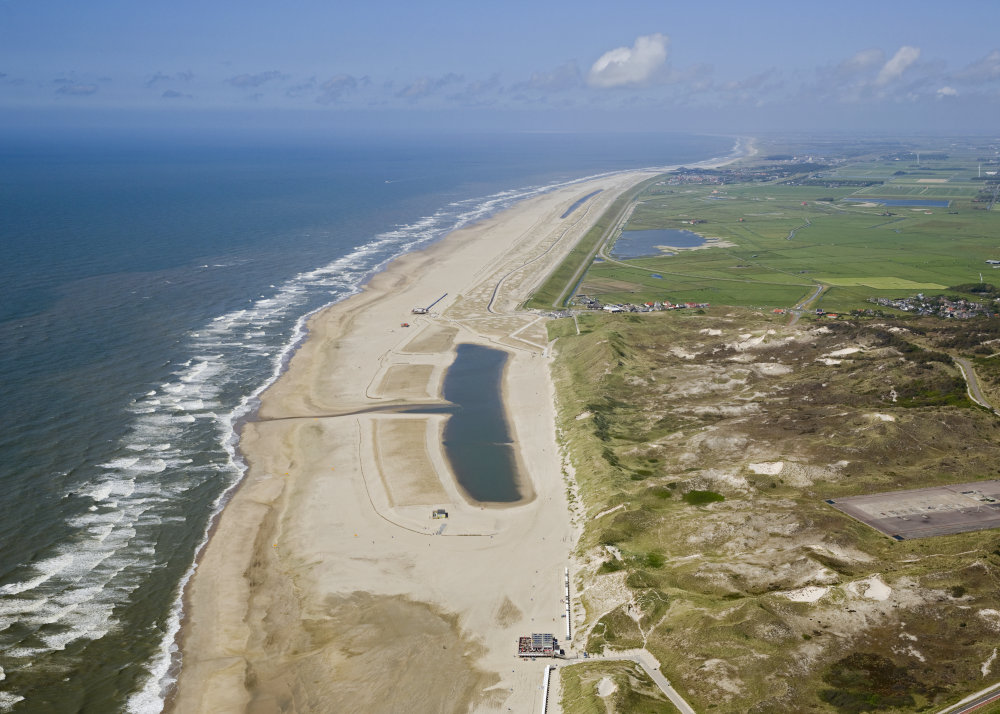
ASSESSMENT AND MANAGEMENT OF SUSTAINABILITY
In the last edition of DFSI Magazine, the concept of how to integrate sustainability in relation to dredging projects was explained. The focus of this article, adapted from the fourth chapter of the Dredging for Sustainable Infrastructure book (2018), discusses the assessment and management of sustainability activities that need to be implemented in a project and provides the theme for this issue.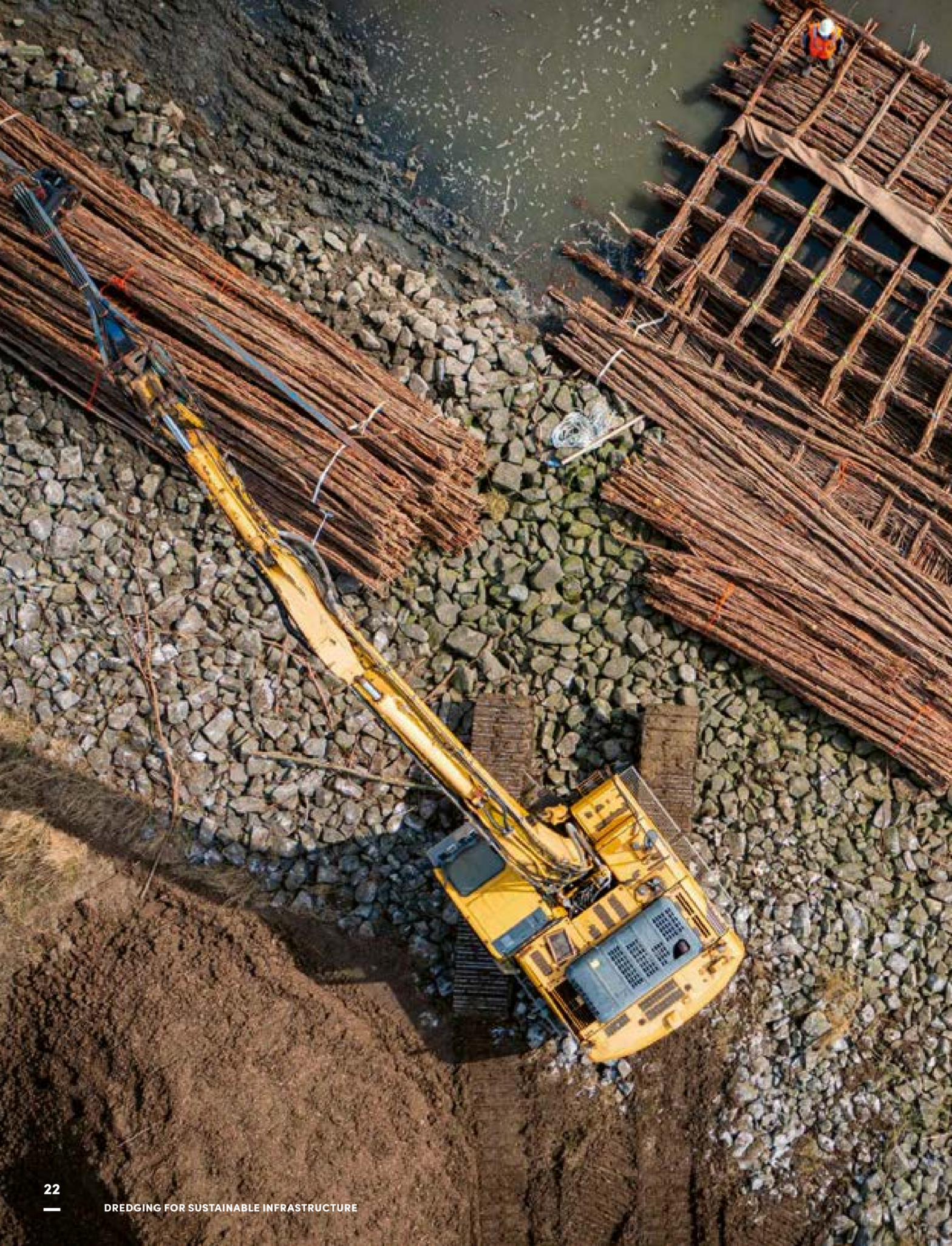
Bankbusters: Ecosystem-based riverbank management
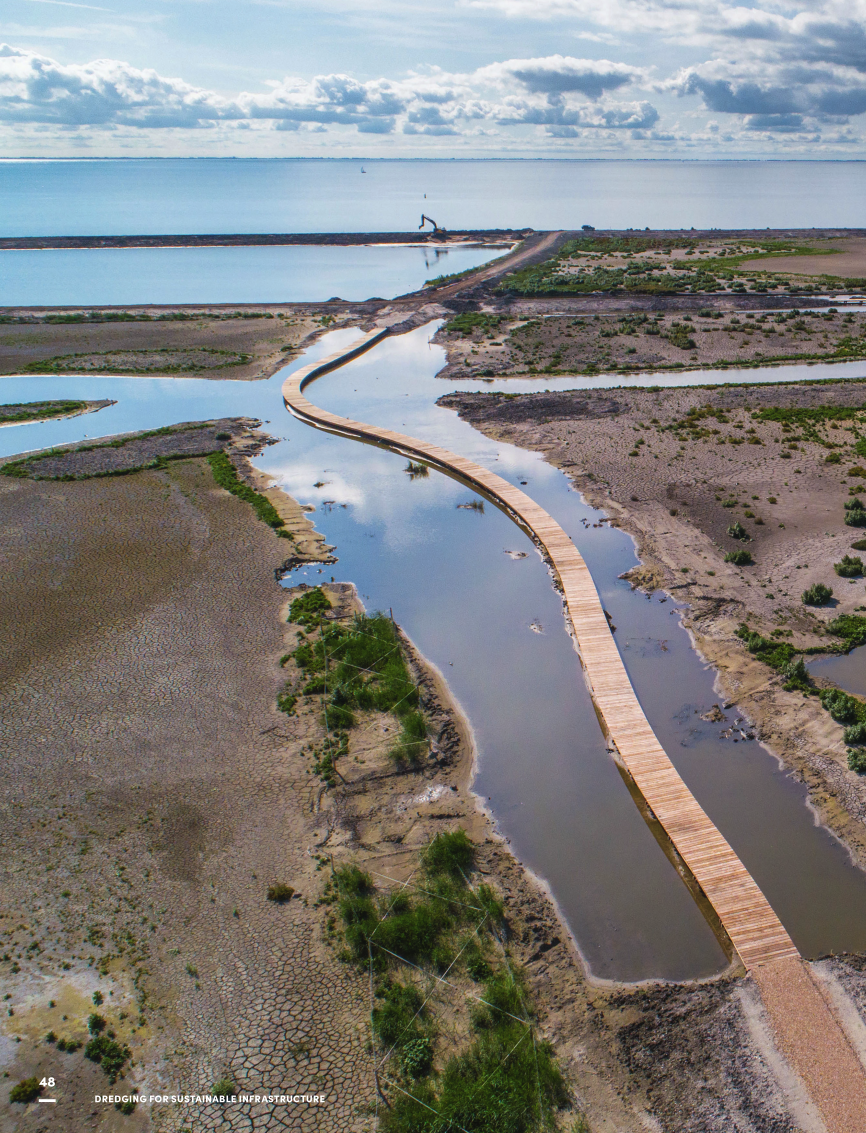
Estuarine tidal wetlands offer vital ecosystem services, including flood protection, erosion control and water purification. However, these estuarine ecosystems actually face significant pressures caused by both human activities and natural forces, leading to habitat and ecosystem degradation and loss. The Bankbusters project adressess these issues by reusing soft dredged sediments to restore tidal marshes and mudflats as natural riverbank systems. As such, this initiative promotes biodiversity, enhances flood resilience and supports sustainable economic growth through innovative, eco-friendly and resilient solutions in the Scheldt estuary.
Community-based ecological mangrove restoration IN QUELIMANE, MOZAMBIQUE
The Quelimane Mangrove Restoration (QMaR) initiative, led by Van Oord, demonstrates a community-based ecological approach to mangrove restoration. Through hydrological interventions and alternative livelihood initiatives, 4 hectares of degraded mangrove habitat are being restored. One year after implementation, seedlings have established and grown well, especially near natural water sources. Over 100 community members have participated in an alternative livelihood programme, reducing dependence on mangrove logging and improving household incomes. Some even made investments such as purchasing property, demonstrating enhanced economic stability. These results highlight the critical role of integrating ecological restoration with community empowerment and livelihood support in achieving sustainable mangrove restoration.
Confirmation
Thank you for subscribing to DFSI Magazine. To read the current issue, download the digital copy here. When a new issue is published, a digital or print copy will be sent the details listed in your DFSI Magazine account.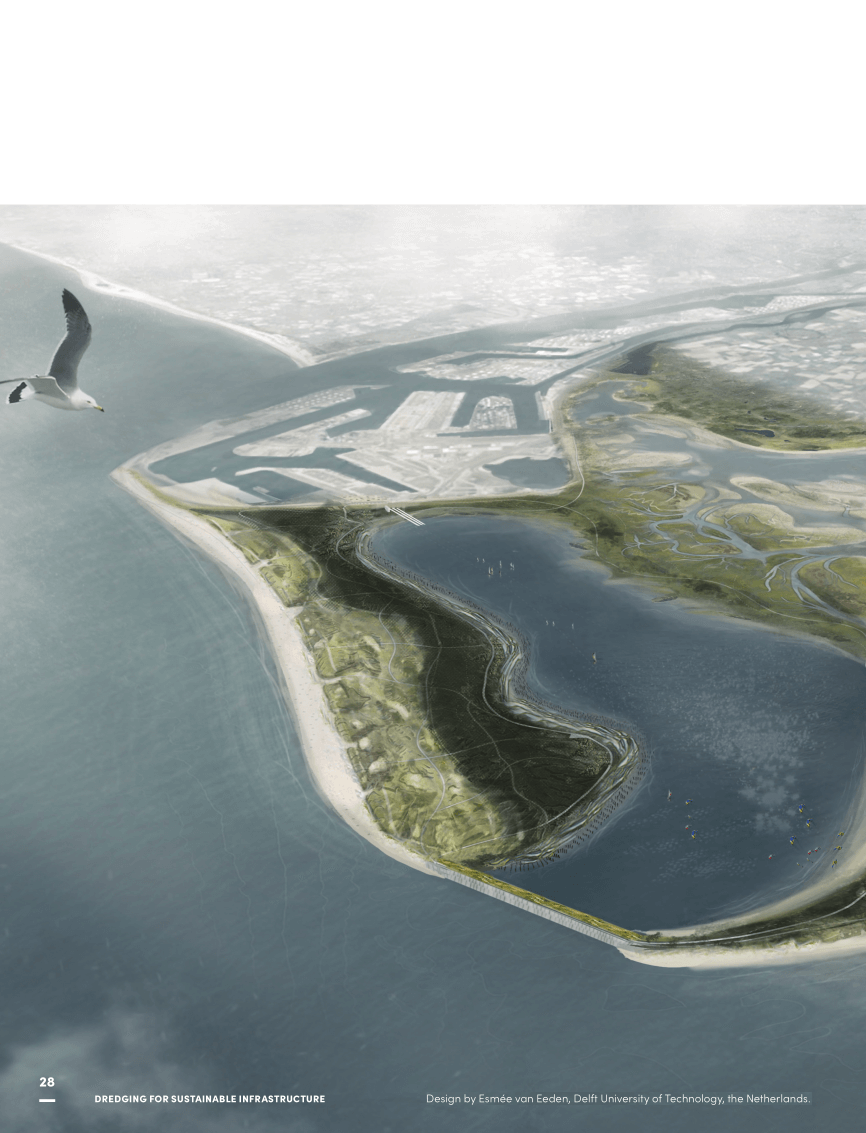
DELTA21
Sustainability, innovation and collaboration are key to successfully facing today’s global challenges of grid congestion and climate change. To combat these challenges, the Delta21 concept has been developed in the Netherlands. Located in the mouth of the Haringvliet estuary in the Dutch Delta, the project combines energy storage, flood protection and the restoration of nature. The concept could be elaborated upon and applied worldwide, inspiring governments, public bodies knowledge centres and developers to face climate change and move away from fossil fuels.