


SENEGAL, NDAYANE PORT CREATING A COMMUNITY-BASED SUSTAINABLE IMPACT
How can we balance the economic benefits of a large port development with measures that protect society and the environment? The deep-water port of Ndayane, 50 kilometres south of Dakar, is a practical example. Developed by DP World, with dredging and reclamation works being done by Jan De Nul, this port facility aims to boost trade and drive economic growth in Senegal, while also showing how major infrastructure projects involving challenging dredging and reclamation activities can create added value for local communities and the surrounding environment.
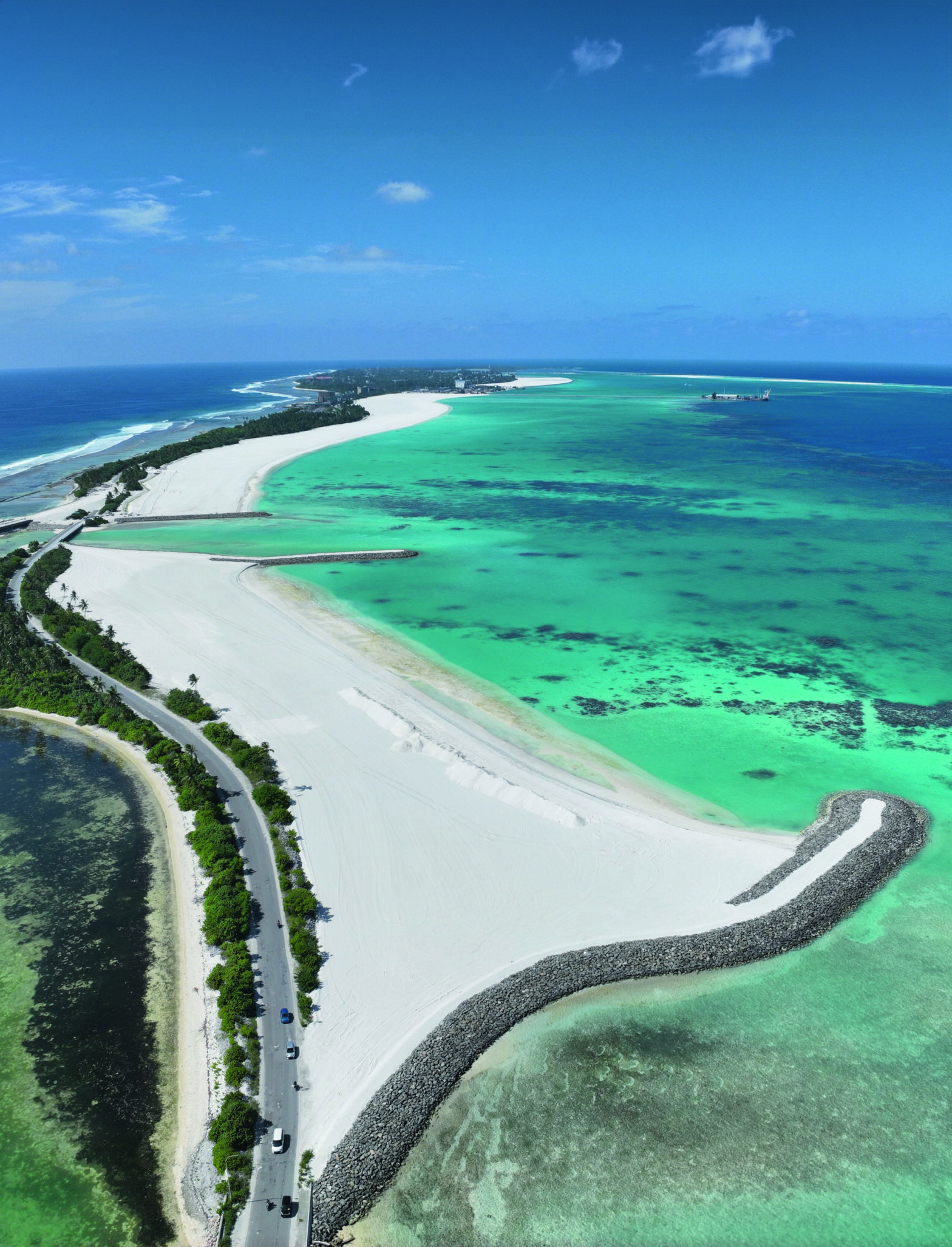
Environmental management and mitigation measures: Addu City project
Dredging and reclamation projects can significantly impact local ecosystems. Negative impacts can be minimised by adopting proper environmental management and mitigation, from preparation to completion phase. Addu City project sets an example of implementing novel construction methodologies and successfully addressing environmental challenges. The project has created over 200 hectares (ha) of climate resilient land for housing and touristic development. Enclosure of footprints, relocation of corals and seagrass (at pilot level) before reclamation process, and monitoring sediment impact in the nearby marine protected areas during dredging and reclamation are exemplary of the management approach applied to ensure minimisation of potential negative environmental impacts.

Balancing project progress and limited system knowledge in Amatique Bay
The development of a new marine project demands a system approach in which all aspects, including technical, economic, environmental and social, are considered and integrated equally and at an early stage. While insufficient information may be available to make informed decisions, choices need to be made to progress a project, assess impacts and risks, and engage stakeholders. This article explores the case of a new port terminal in Amatique Bay, Guatemala. A method was developed to assess, at an early stage, the potential negative impacts on seagrass habitats from the disposal of dredged material at different locations, while having limited real-time and location-specific information at hand.