Successful sustainable port and coastal protection projects require more than environmental impact assessments; an integrated economic analysis that monetises social and environmental impacts is essential to reveal societal value and assess sustainability. We asked two industry professionals to share their expertise on the topic.

The statement is correct: an environmental impact assessment (EIA) on its own cannot capture whether a port project is truly sustainable. What is critical is to assess environmental, social and economic impacts holistically, in a way that shows decision-makers their material effect on project performance. Climate change illustrates this: sea level rise and extreme weather are causing flooding, raising repair costs and disrupting port-related economic activities. EIAs highlight environmental risks but miss social and economic factors; these should also inform key decisions in the infrastructure cycle. In our work through the Nature-Based Infrastructure Global Resource Centre, we’ve recently evaluated the environmental, social and economic externalities of a mangrove restoration project for coastal protection for the DEEP C Industrial Zone in Hai Phong, Vietnam. This 3,400-hectare hub for logistics and manufacturing is directly exposed to sea-level rise, storm surges and coastal erosion. A national sea dyke is being built to protect the zone. An EIA would typically conclude that this measure addresses the risk. Yet dykes erode, need costly upkeep and may fail under stronger storm surges and erosion.
Using the Sustainable Asset Valuation (SAVi) methodology, we carried out an integrated cost– benefit analysis of combining the dyke with 70 hectares of mangroves. Unlike a conventional CBA, this integrated approach captures social and environmental externalities alongside financial costs and benefits. Mangroves extend the lifespan of the dyke, reduce erosion and lower maintenance needs. Across scenarios, they avoid between USD 0.5 million and USD 5 million in flood damages, while property values increase by up to USD 7.3 million over 26 years. They also create jobs, provide public space and sequester carbon. In the most favourable scenario analysed, each dollar invested generates USD 3.40 in benefits, with an internal rate of return of 32%.
For the Hai Phong People’s Committee, the evidence supports co-financing mangrove restoration. For businesses, it demonstrates that nature-based infrastructure is not an environmental add-on but a safeguard for assets and supply chains. For the engineering community, it shows that hybrid solutions, grey reinforced by green, deliver greater resilience than hard infrastructure alone.
The Vietnam case confirms that EIAs alone provide an incomplete picture. To assess the sustainability of port and coastal protection projects, evaluations must integrate social outcomes and monetised externalities. An integrated cost–benefit analysis should be seen as a necessary complement to EIAs, ensuring infrastructure fulfils its primary function while delivering long-term value to society.
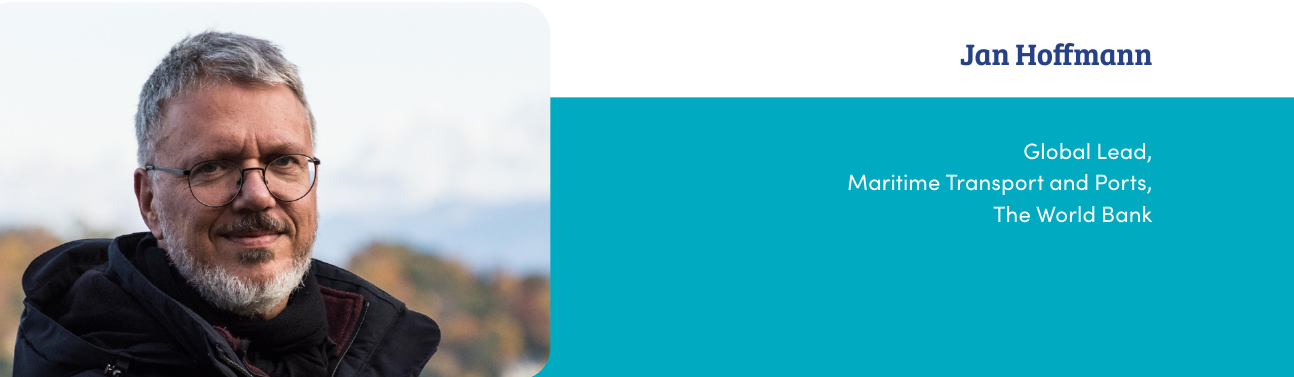
Environmental Impact Assessments (EIAs) are a cornerstone of responsible port development. They identify potential harm to air, water, biodiversity and climate, and propose mitigation measures. Yet, as the third edition of the Port Reform Toolkit stresses, an EIA alone does not guarantee a sustainable project. Ports are complex nodes where trade, logistics, urban development and ecosystems converge. To secure legitimacy and long-term sustainability, environmental considerations must be integrated with social and economic dimensions, and externalities must be recognised and – ideally – internalised.
Sustainable port projects depend on governance models that extend beyond narrow technical assessments. Port authorities increasingly act as community builders, balancing trade facilitation with societal expectations. This requires structured dialogue with local communities, labour representatives and municipal governments. By incorporating the social component early, projects can build trust, reduce conflict and ensure that benefits are widely shared.
From a financing perspective, risk allocation must reflect not only commercial and operational issues but also environmental, social and governance (ESG) factors. Monetising externalities, both positive and negative, is a powerful tool. It allows the economic evaluation of ports to move beyond financial returns to capture societal value: cleaner air, reduced congestion, resilience to climate risks and opportunities for green industries. Only when such impacts are quantified can investors, regulators, and citizens understand and ensure sustainability.
Private sector involvement is most effective when aligned with public objectives. Well-designed public–private partnerships can mobilise capital and know-how, but they must also include incentives for environmental performance and community value creation. Contracts that price externalities or reward low-carbon technologies turn sustainability from a compliance burden into a competitive advantage.
An essential element in this context is the tender process. The World Bank and IFC require environmental and social assessments throughout the project cycle, with clear safeguards on resettlement, Indigenous Peoples and climate impacts. Yet in many client countries, tender documents still omit sustainability requirements. As highlighted in the Port Reform Toolkit, embedding such criteria in procurement is decisive: it ensures that bidders internalise sustainability from the outset, aligns contracts with international good practice, and avoids costly retrofits or conflicts later.
Ports must co-evolve with their cities, addressing congestion, air quality and land use conflicts. Embedding social and environmental goals within port–city planning ensures that infrastructure becomes a driver of inclusive growth rather than a source of tension.
PDF download
Download the PDF version of this article with high resolution pictures and layout.
Single-page view

Two-page view