
Environmental and social (E&S) management on dredging projects has become increasingly complex in recent years. Rising expectations – from regulators and the communities we work alongside – translate into more stringent requirements, with greater emphasis on measurable environmental and social performance. Delivering against international requirements in jurisdictions with different domestic regulations can create challenges, but it is attainable through close collaboration with project owners, consultants and stakeholders to achieve the best outcomes for people and nature.
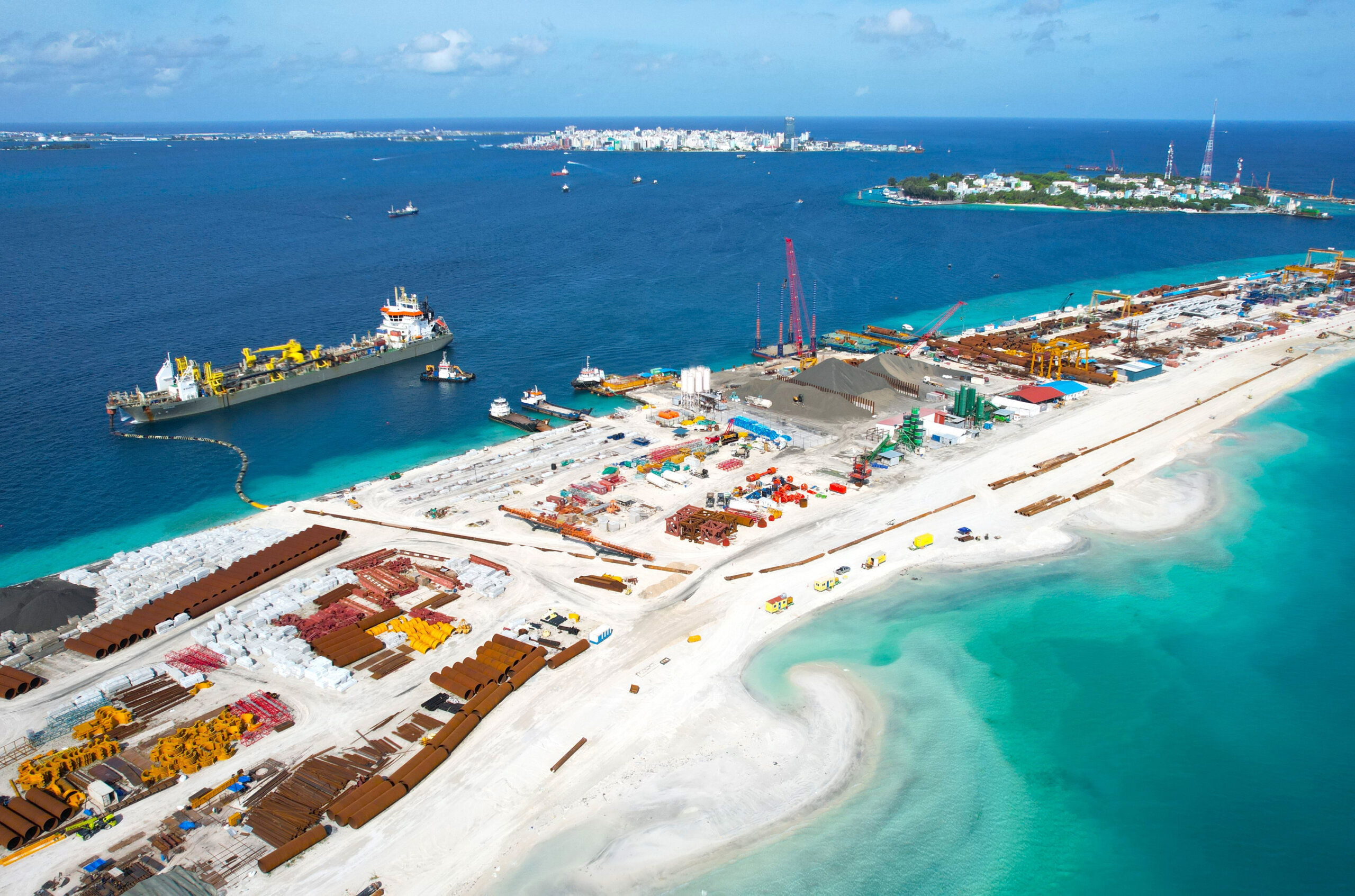
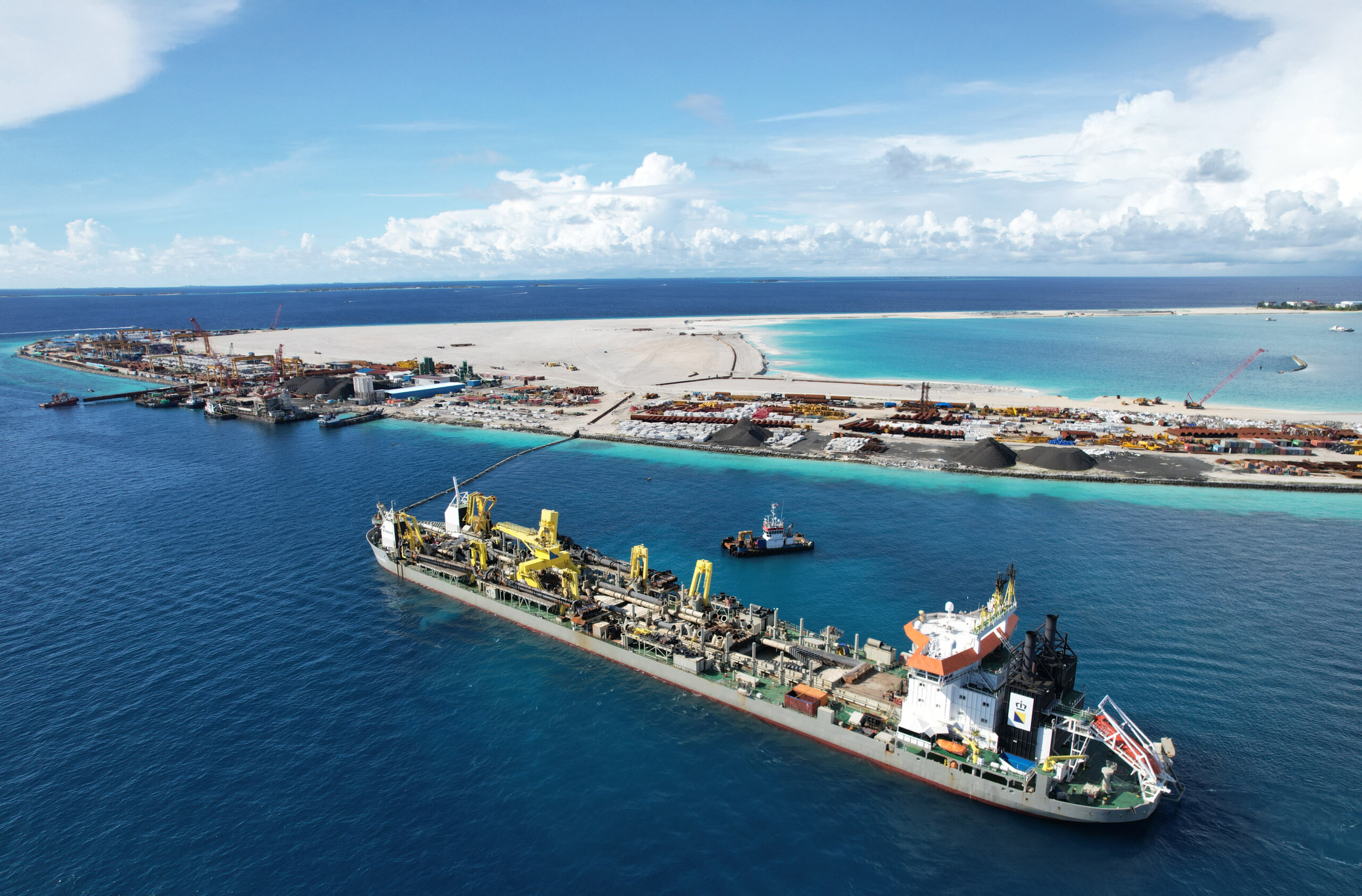
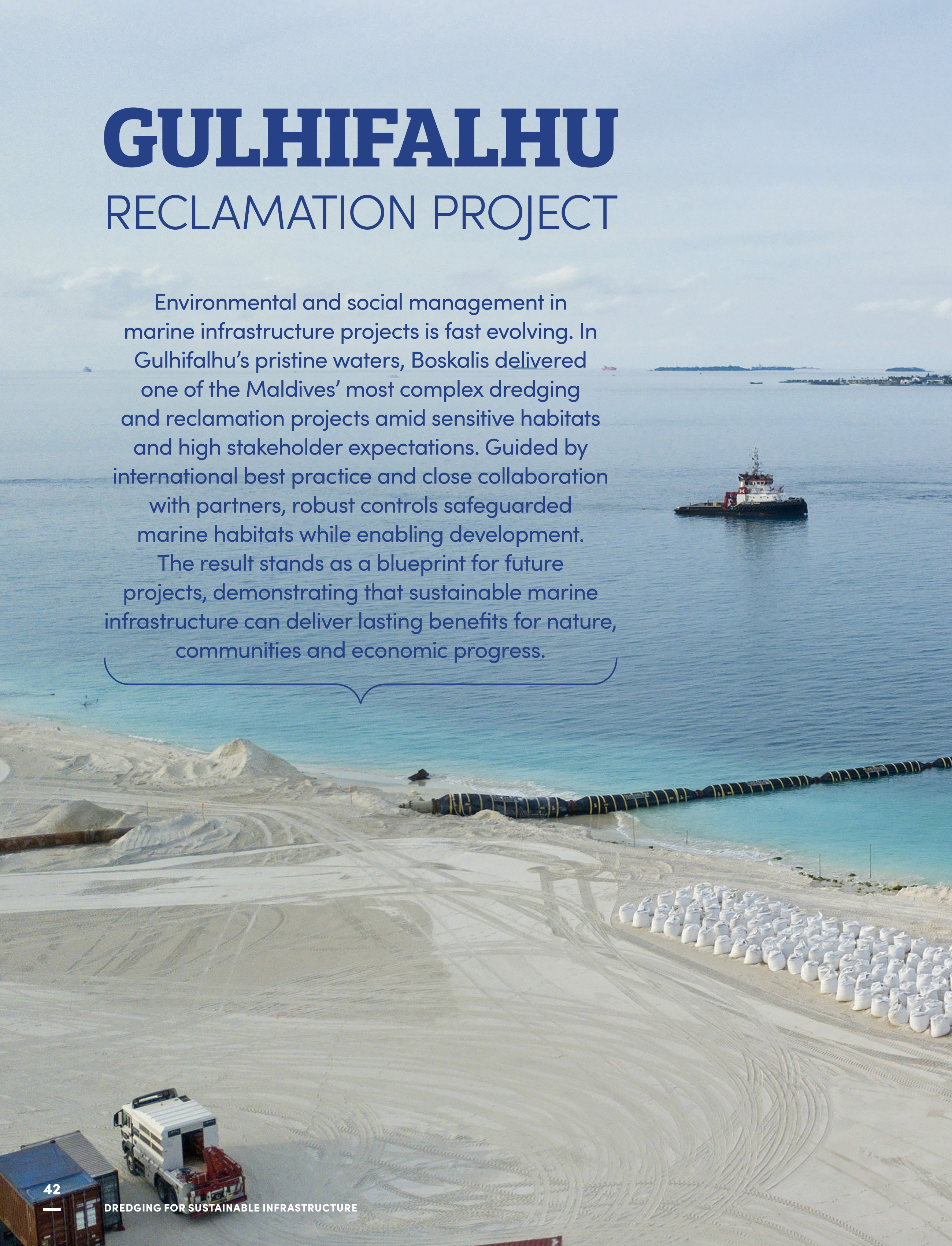
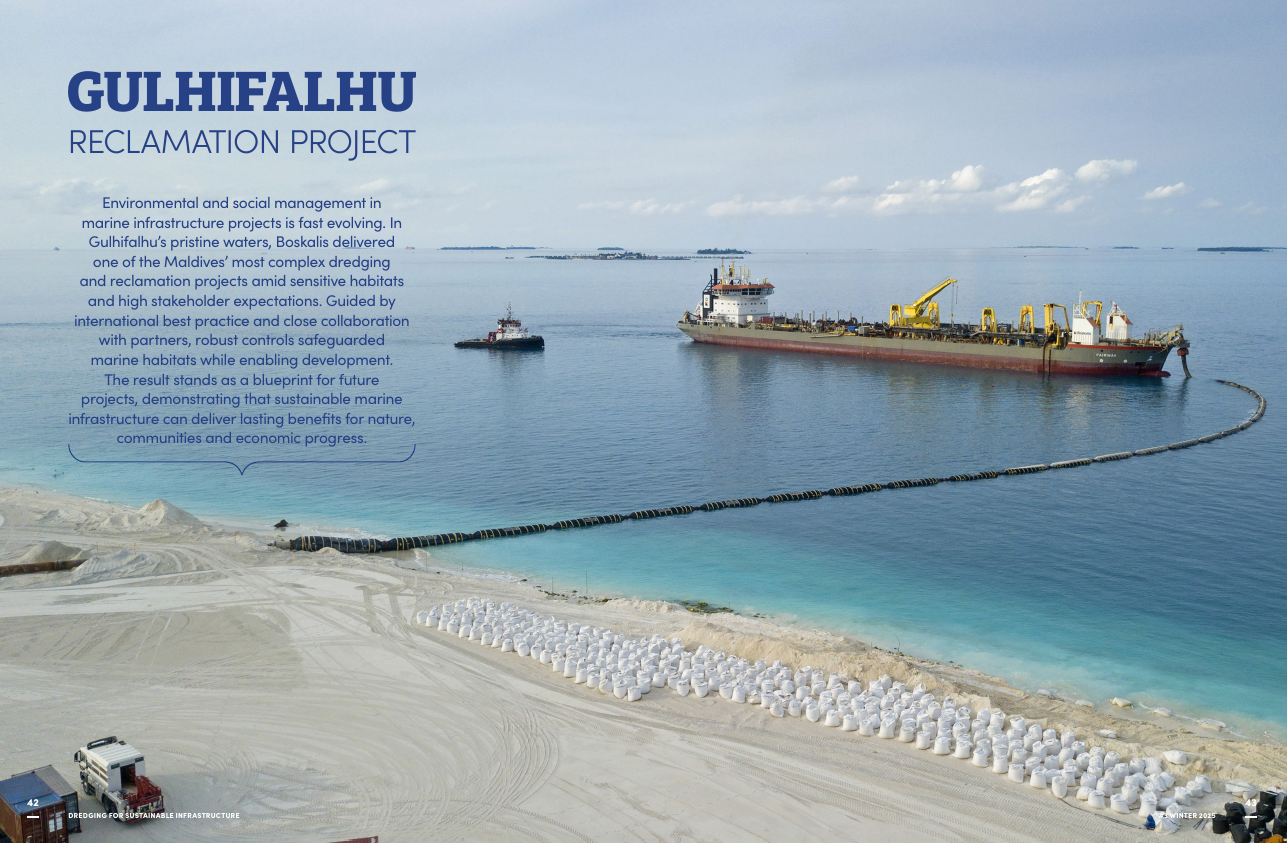
Boskalis’ work on the Gulhifalhu reclamation project offers a strong example of how this complexity was navigated. It is one of the first projects undertaken by the Government of the Maldives in compliance with international E&S standards, reflecting both the challenges and opportunities of aligning such requirements with large-scale marine infrastructure – and highlights the evolving role of a dredging contractor in shaping sustainable results. From the outset, the Ministry and Boskalis shared a clear objective: harmonise national processes with international E&S requirements, ensuring that financing, delivery and environmental stewardship worked in concert. Our experience illustrates how robust E&S frameworks can be seamlessly integrated into dredging operations – reinforcing responsible project delivery while safeguarding sensitive environments.
Maldives context and land reclamation
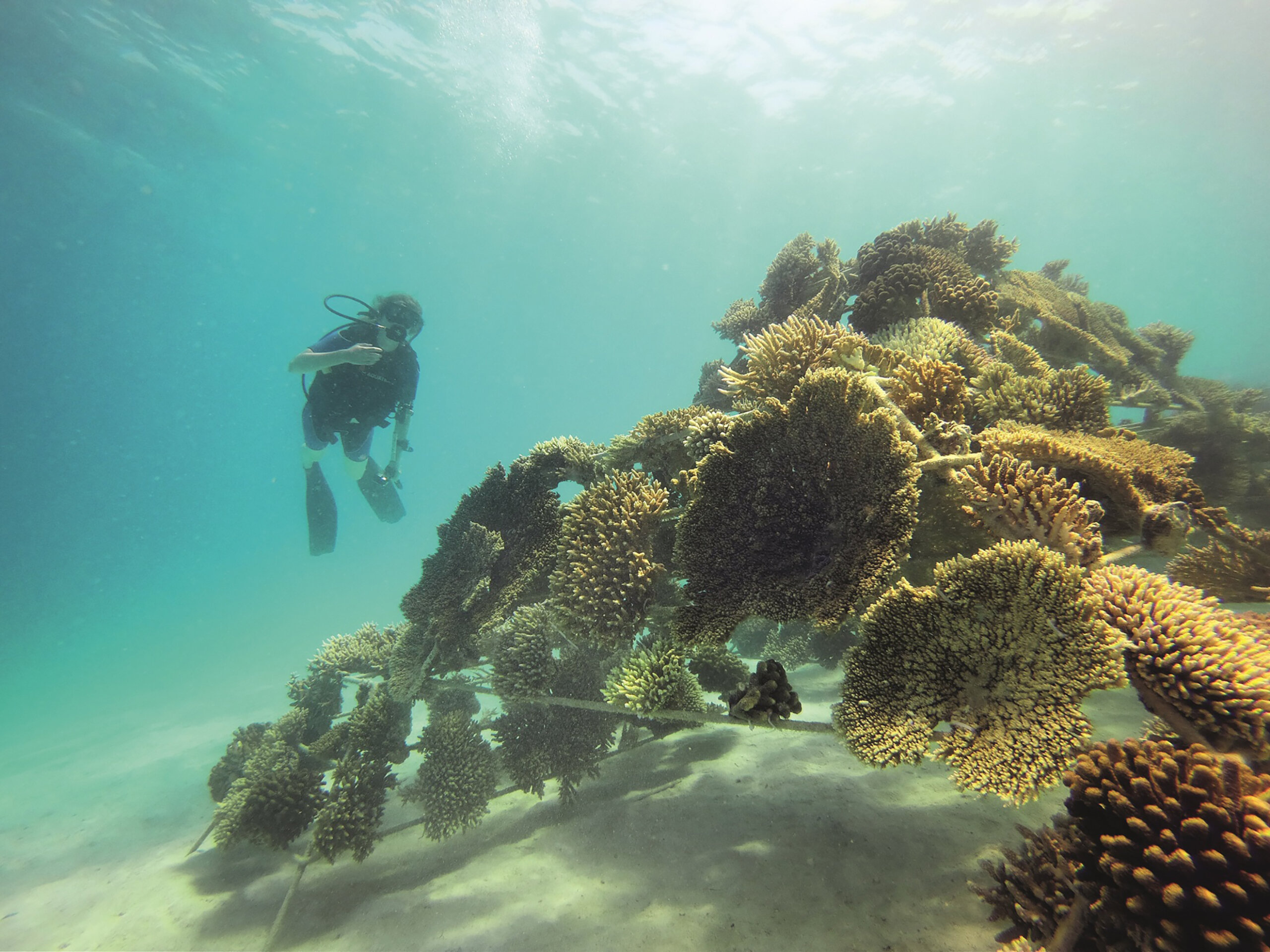
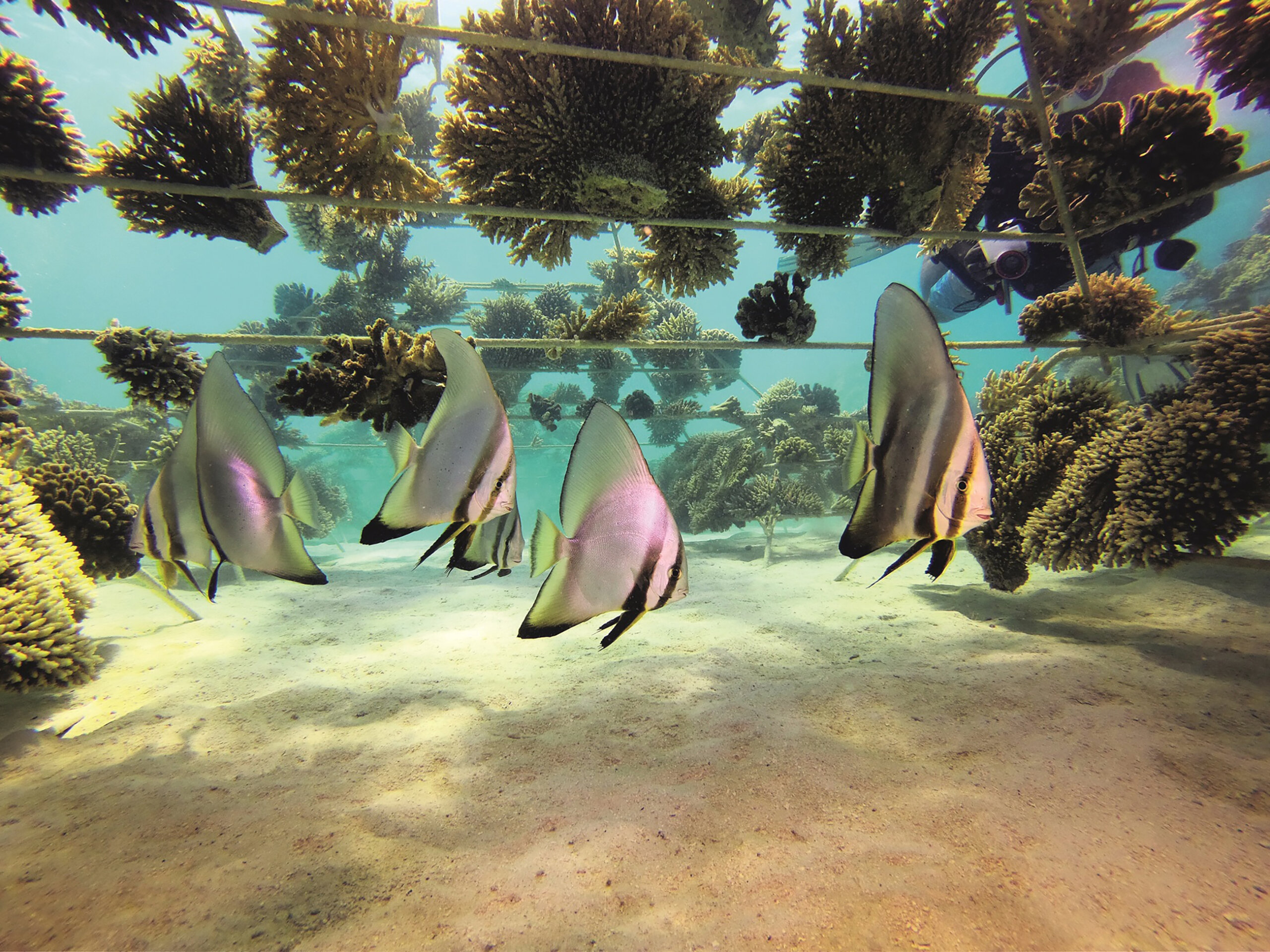
The Maldives is renowned for its breathtaking natural beauty and exceptional marine biodiversity. The archipelago, consisting of 26 atolls and over 1,000 coral islands, is home to some of the most diverse and vibrant marine ecosystems on the planet. Coral reefs attract tourists from around the globe, provide vital support for local communities and fisheries, and act as natural barriers, protecting the islands from storm surges and coastal erosion.
At the same time, Malé, the capital, is one of the most densely populated cities in the world, with limited residential space. Rising sea levels and frequent flooding intensify this situation. Creating new land through reclamation activities is therefore essential.
Land reclamation in the Maldives can compete for space with critical marine ecosystems. Carrying out construction activities in such an environmentally sensitive area presents significant challenges and necessitates careful planning and execution to minimise environmental and social impacts.