
Project context and environmental sensitivity
This project was carried out in Costa Rica, a country renowned for its commitment to conservation, biodiversity and leadership in global environmental issues such as climate change and reforestation. As a result of stringent national environmental policies and specific regulatory requirements, the project posed a significant challenge.
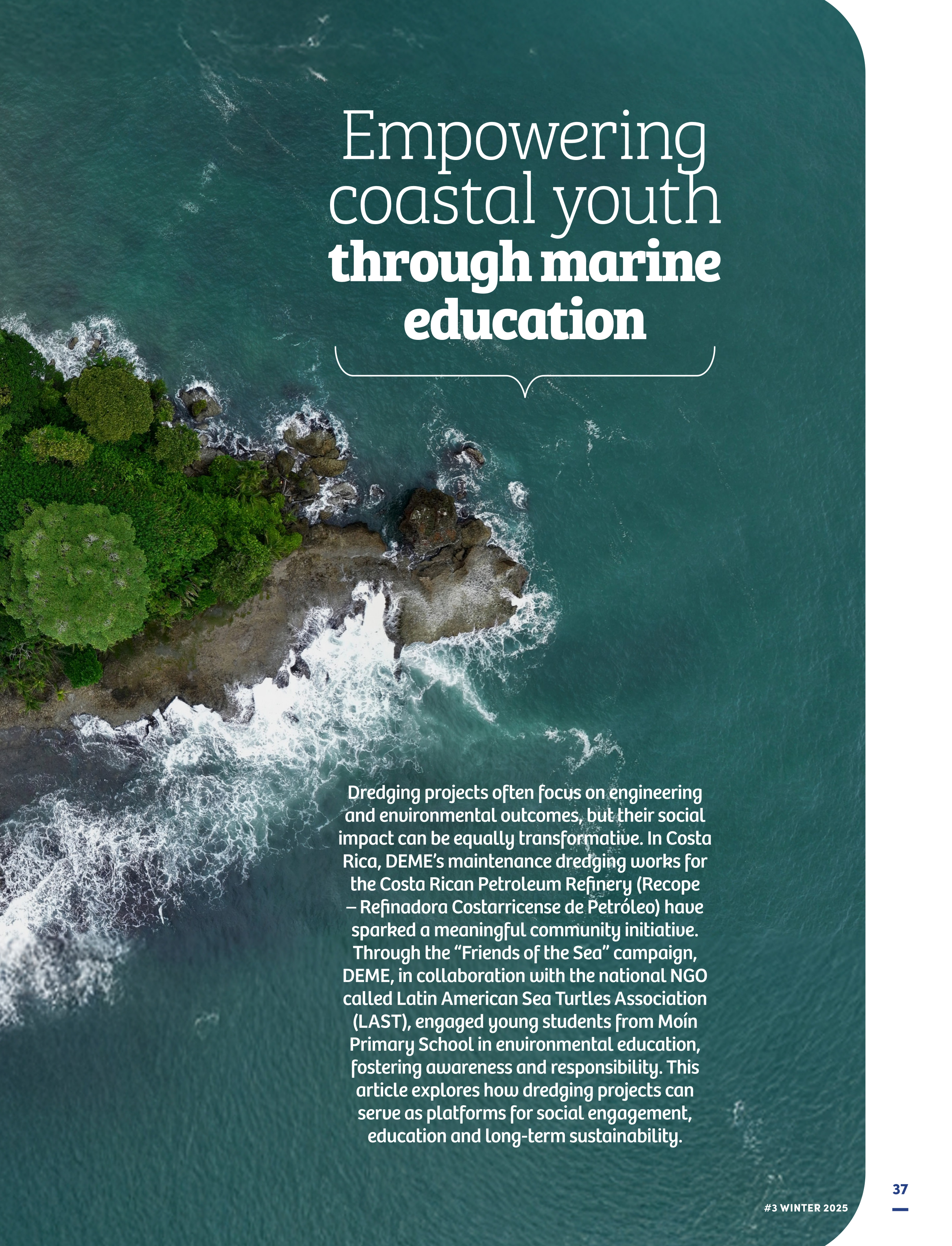
The Port of Moín, situated within the Port Complex of Limón province, occupies a strategically vital location just 12 hours from major global trade routes connecting North America, South America, the Caribbean, Europe and the Panama Canal. The maintenance dredging project at Moín encompassed seven distinct zones, including the access channel, manoeuvring basin and areas facing the main pier. Dredged material was disposed of at a designated disposal site 5.5 kilometres northeast of the port entrance, at depths between 50 and 70 metres.
This region is characterised by dynamic sedimentary processes, influenced by local rivers and marine currents, resulting in variable water turbidity and moderate concentrations of metals. The marine ecosystem has experienced significant degradation with reduced coral cover and loss of seagrass meadows, impacting biodiversity and keystone species as the manatee, sea turtles and marine mammals.
Given these sensitivities, the project’s Environmental Management Plan (EMP) incorporated rigorous measures for monitoring water quality, ecosystem conservation status, controlling sediment dispersion, minimising emissions and protecting marine life. The overarching aim is to balance port development with environmental stewardship, ensuring that all activities are conducted in accordance with national and international regulations and contribute to the long-term sustainability of Costa Rica’s coastal resources.
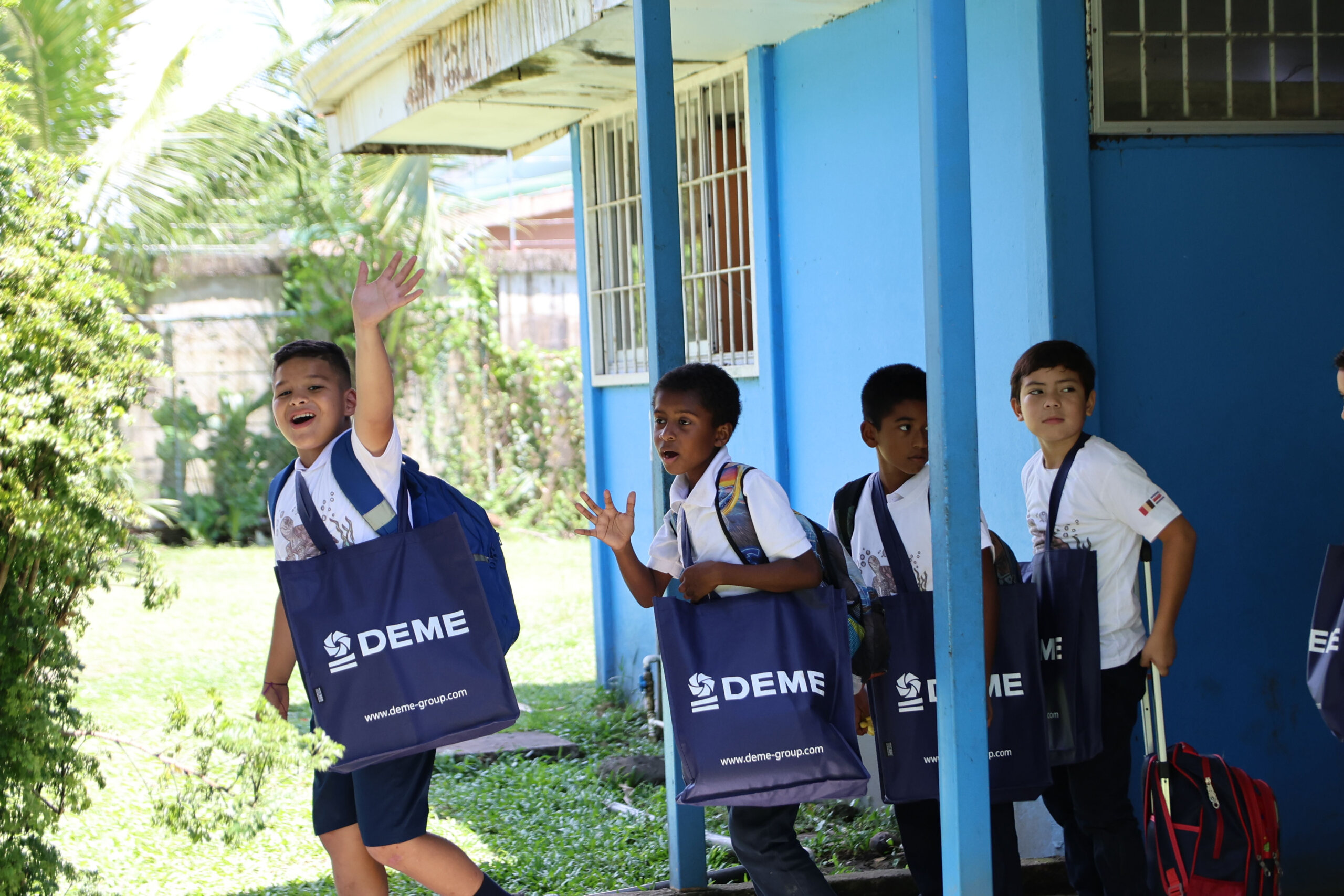
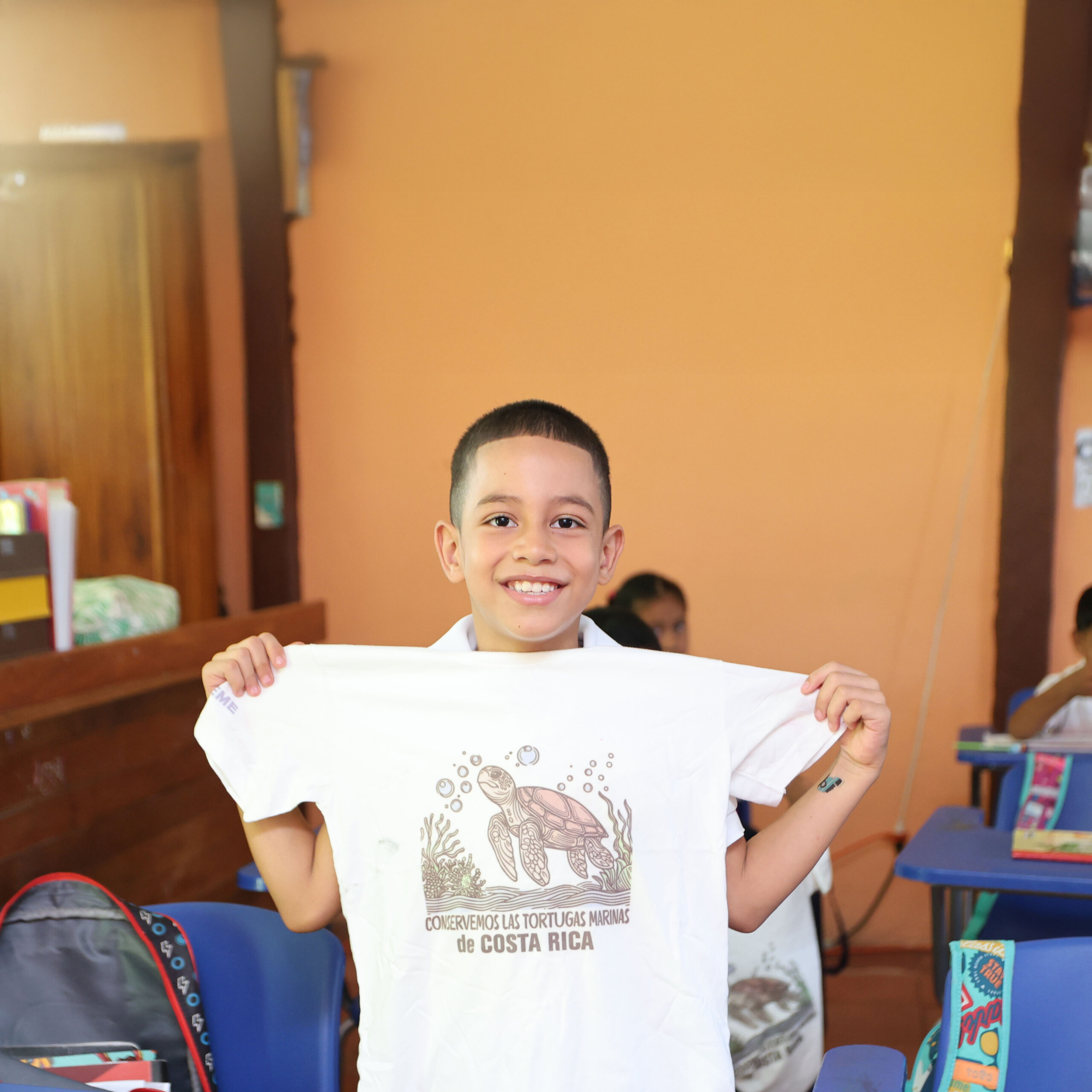
In light of Costa Rica’s unique environmental landscape and its strong culture of conservation, we recognised the importance of going beyond the technical and regulatory scope of the EMP. To complement these measures, we launched a dedicated social initiative aimed at promoting ecosystem preservation through youth empowerment. The marine education programme was specifically designed to involve the local community – particularly young students – in learning about and protecting their marine surroundings. This initiative not only deepened environmental awareness but also reinforced the project’s broader commitment to social responsibility and long- term sustainability.