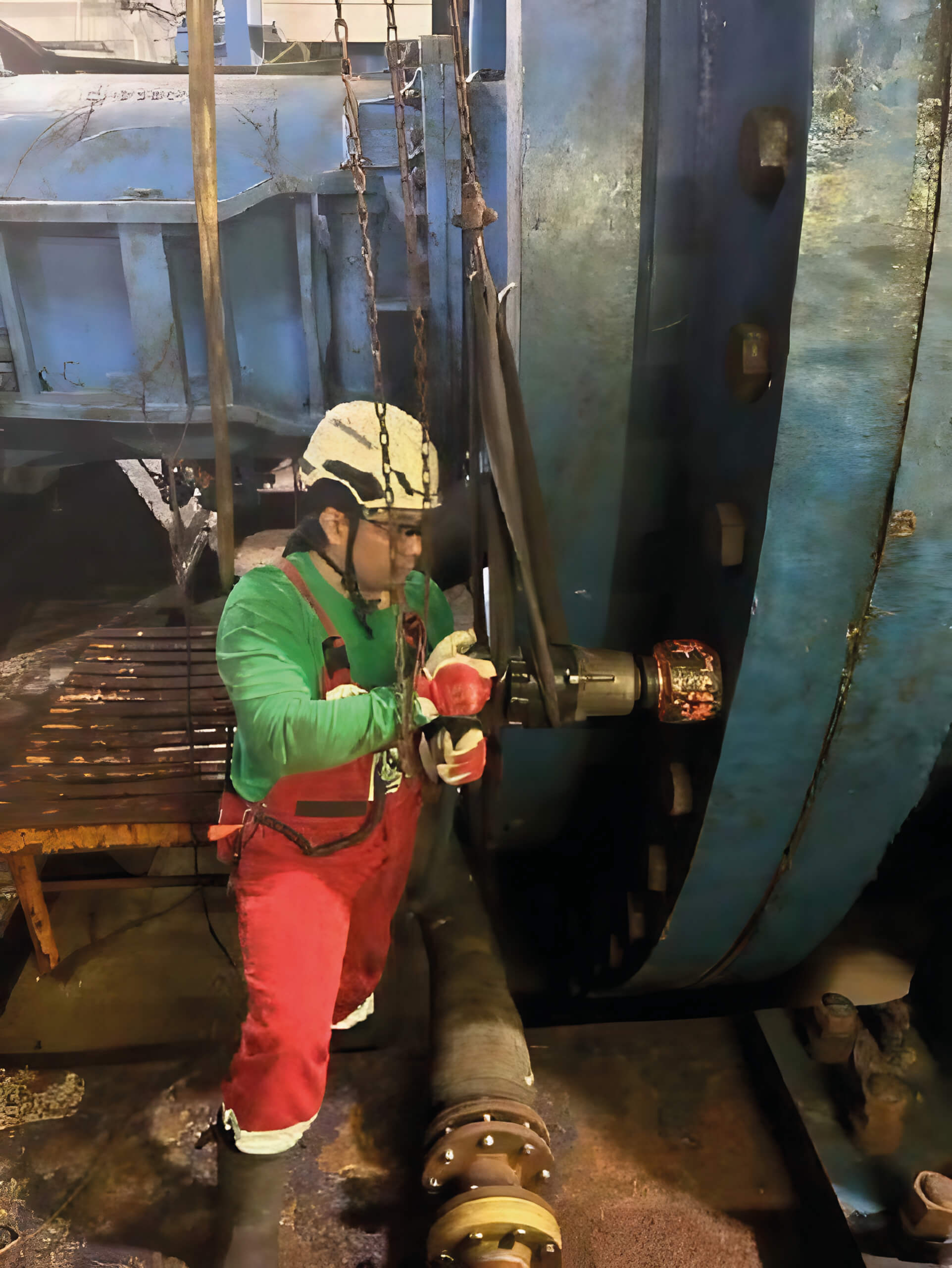
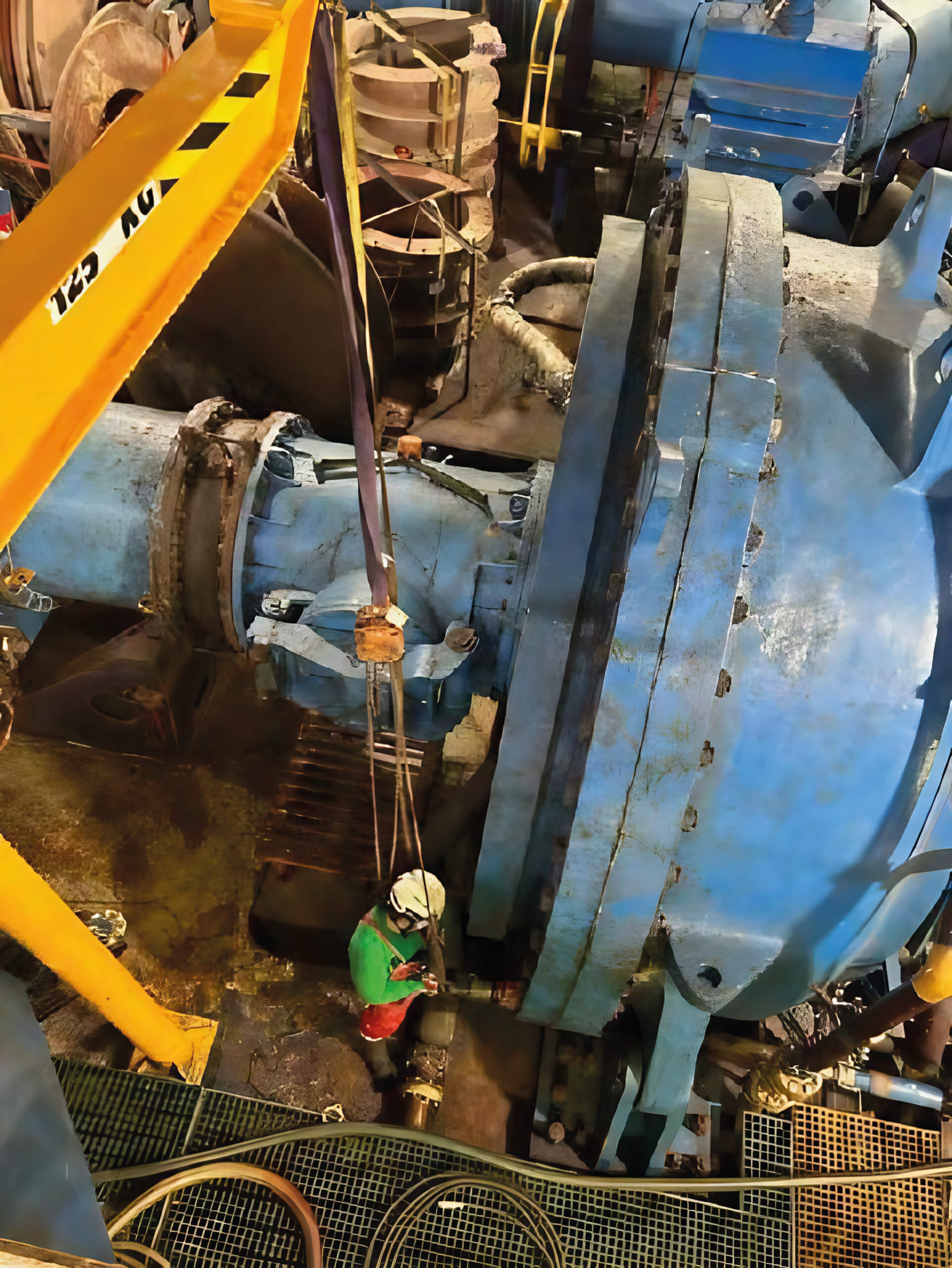
When individual employees, teams and companies view everyday processes and situations through a continuous lens of safety, they can each contribute to making all aspects of operational processes, whether on water or land, safer. For this year's Safety Award, IADC's Safety Committee received 14 submissions. Each one is assessed on five different categories; sustainability; level of impact on the industry; simplicity in use; effectiveness; and level of innovation.
Affirming the importance of safety

Dredging activities can be risky operations with hidden dangers among heavy machinery. In response, the dredging industry proactively maintains a high level of safety standards. A representative of contractors in the dredging industry, IADC encourages its own members, as well as non-members participating in the global dredging industry, to establish common standards and a high level of conduct in their worldwide operations.

IADC’s members are committed to safeguarding their employees, continuously improving to guarantee a safe and healthy work environment and reducing the number of industry accidents and incidents to zero.

Recognising advancers of safety

IADC conceived its Safety Award to encourage the development of safety skills on the job and reward individuals and companies demonstrating diligence in safety awareness in the performance of their profession. The award is a recognition of the exceptional safety performance demonstrated by a particular project, product, ship, team or employee(s).

No submissions were received this year for the safety award granted to a supply chain organisation active in the dredging industry. This concerns subcontractors and suppliers of goods and services. In total, 14 submissions were received for the dredging contractor safety award. Each one aims to improve routine processes and situations encountered in the dredging industry.


Dredging contractor submissions

“NINA SAFETY VIDEOS” FOR INTERNATIONAL WORKFORCE BY BOSKALIS

Boskalis is using “NINA safety videos” tailored to its multinational workforce involved in a polder reclamation project. Recognising the large workforce that comprises of diverse linguistic and cultural backgrounds, the safety training videos are specifically designed to deliver important information directly to workers' devices, ensuring they can access training at any time and from any location on the project site.

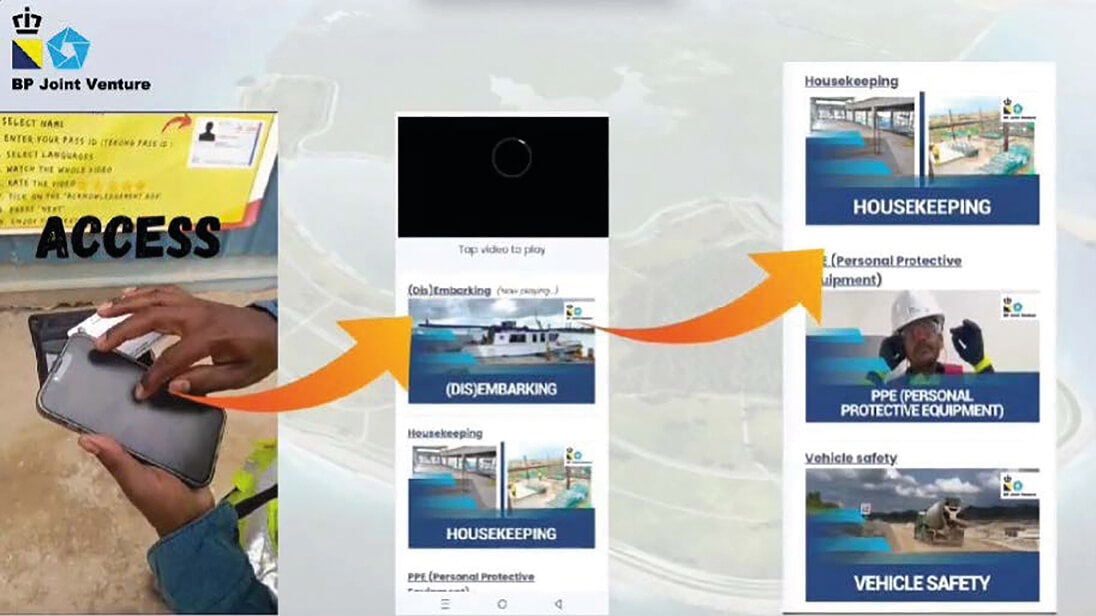
This approach has enhanced the efficiency of the conventional training process, eliminating the need for in-person sessions and onsite translators. Integrating multilingual support and culturally relevant content into each video, Boskalis ensure that every team member receives clear, understandable and engaging training. This enhances safety compliance across the workforce but also fosters a safer working environment by accommodating the unique learning paces and styles of its international employees.

The ease of access and portability of the training videos have shown to be highly effective in sustaining high safety standards while simultaneously improving efficiency and promoting inclusivity. This innovation of marrying technology with practical application can fulfil the dynamic requirements of today's diverse teams working on complex large-scale projects.

BRACKET FOR QUICK FIT PIPE CONNECTION BY JAN DE NUL

In many reclamation projects, bolting landline pipes is not always feasible due to time constraints or the continuous discharge process of the dredger. In such cases, push pipes are used as an alternative. However, these connections are more susceptible to separation under pressure, especially when there are nearby vibrations during the start-up of the discharge process or when there is a bend behind the female quick fit. To help mitigate those risks, Jan De Nul has designed a bracket to improve the security between the male and female quick fit connection on landline pipes.

The design consists of two parallel steel plates with openings that fit the quick fit connection, allowing the bracket to rest securely and stably on the pipe. To improve safety, the bracket is attached to the pipes using chains. This ensures that, in the event of sudden release of tension, the bracket remains secured and does not pose a risk to personnel nearby.

ZERO BALANCER FOR HAND TOOLS BY DEME

Zero balancers are mechanical devices designed to suspend tools, equipment or parts, making them feel weightless for the operator. They are widely used in industrial settings to enhance efficiency and reduce operator fatigue.

DEME has employed these tools for their many benefits, which include: reduced operator fatigue – by neutralising the tool's weight, spring balancers reduce strain and fatigue for the operator; enhanced safety – they promote a safer work environment by preventing tools from being accidentally dropped or damaged; and increased efficiency – workers can handle heavy tools with ease and precision, improving productivity.

INNOVATIONS WORKING IN CONFINED SPACE OF DOUBLE BOTTOM DREDGING TANKS BY PENTA-OCEAN

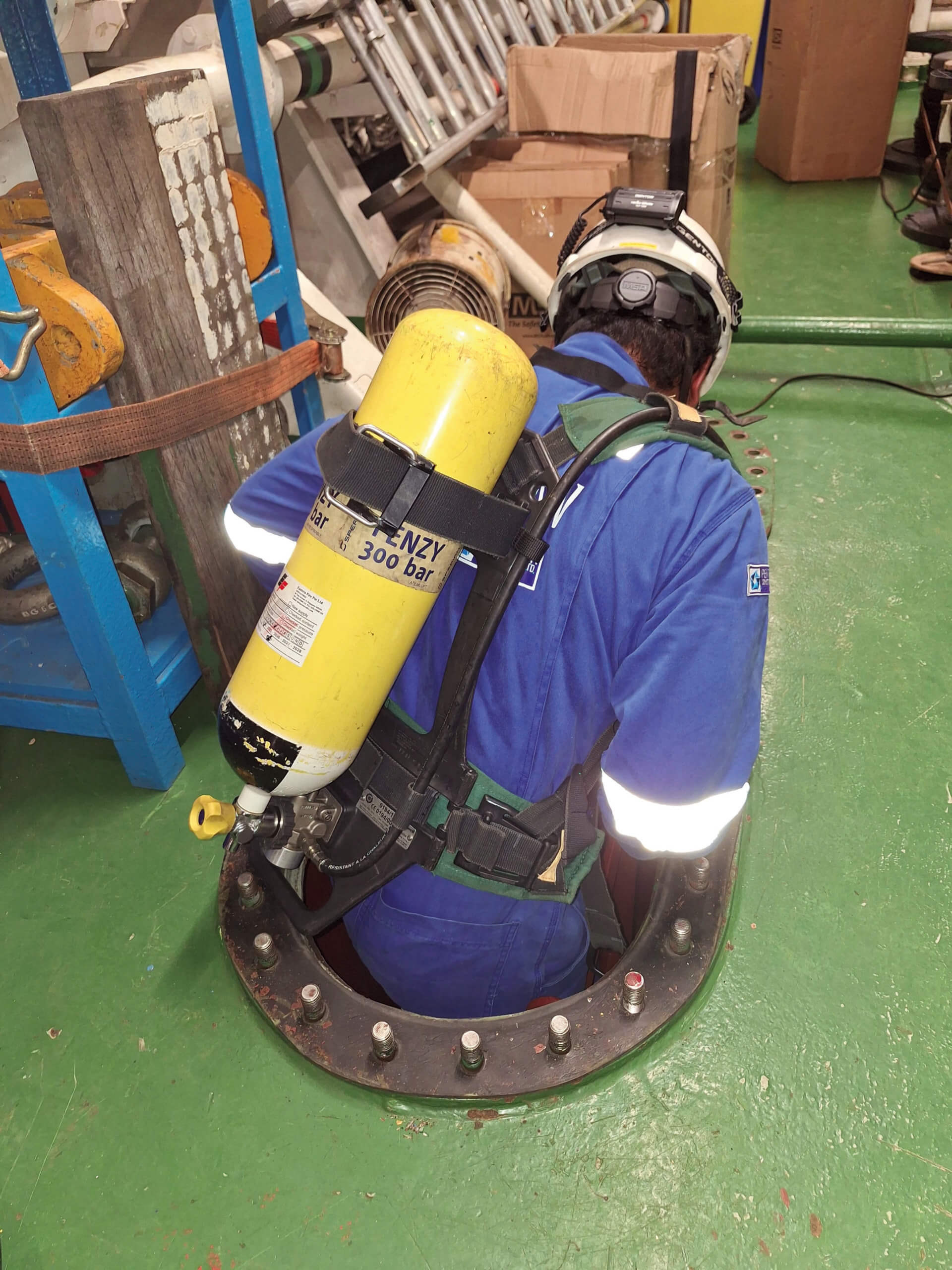
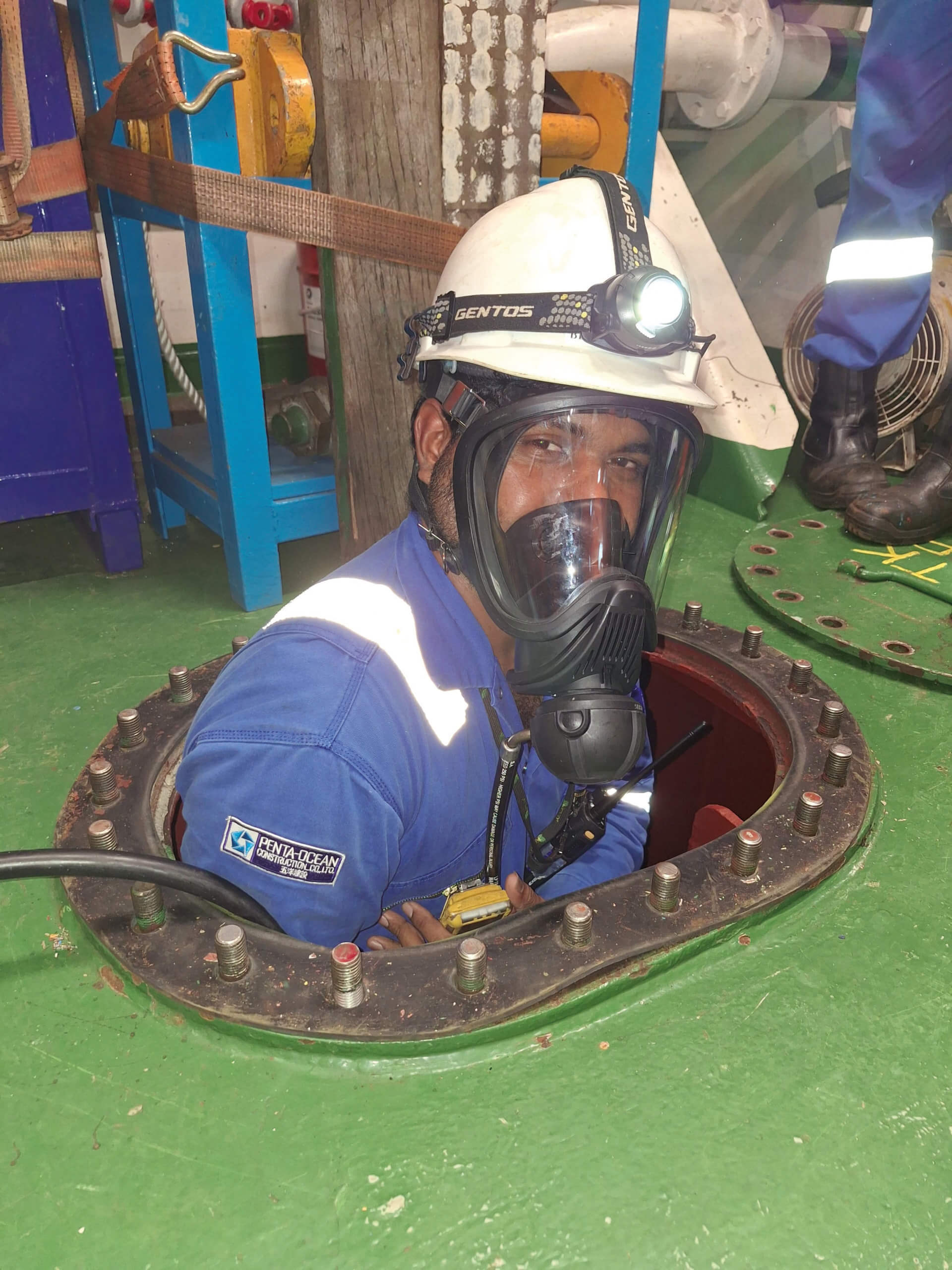
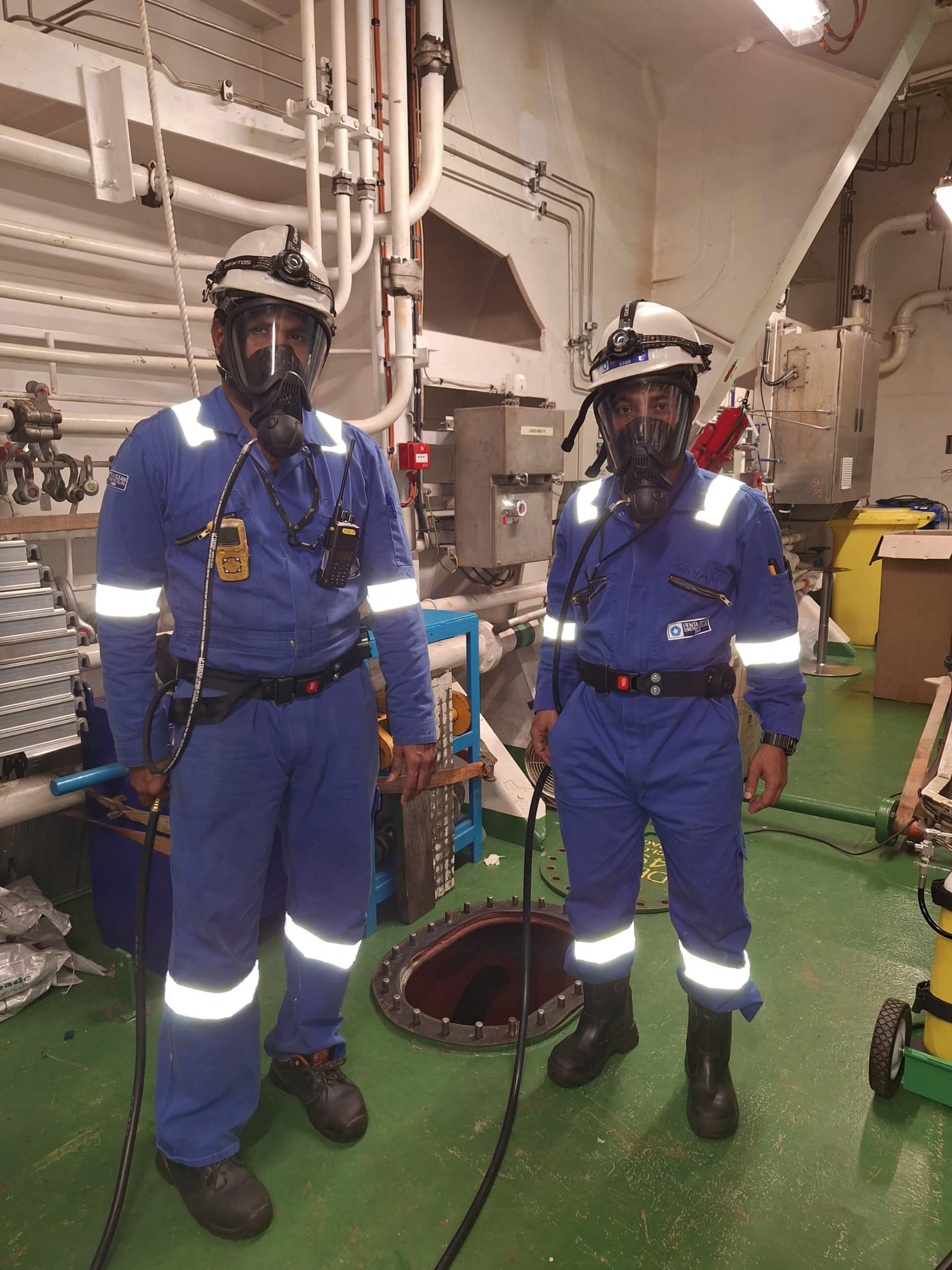
Cassiopeia V is a cutter suction dredger featuring a specialised double bottom tank configuration designed to house critical hydraulic lines. Unlike conventional vessels where such tanks are typically used for ballast, Cassiopeia V’s tanks are narrow, compact and congested, necessitating frequent crew access for inspection, maintenance and repairs. These entries are particularly hazardous due to poor ventilation, structural movement during dredging operations (hogging and sagging) and recurring hydraulic leaks that may leave residual oil vapours, even after standard gas-free checks.

To address these challenges, Cassiopeia V implemented a custom-modified confined space safety system. The solution features a multi-user industrial breathing apparatus with extended air supply hoses, enabling multiple crew members to work safely within the tanks without the physical burden of bulky self-contained breathing apparatus (SCBA) units. This system significantly improves mobility, comfort and endurance while ensuring a continuous supply of breathable air in enclosed spaces.

This vessel’s specific solution has enhanced confined space safety, minimised operational risks and improved crew confidence. It serves as a strong example of how targeted innovation can address practical safety challenges and raise the standard for enclosed space operations in the dredging industry.

FORWARD DUMPING METHOD FOR ARTICULATED DUMP TRUCKS BY BOSKALIS

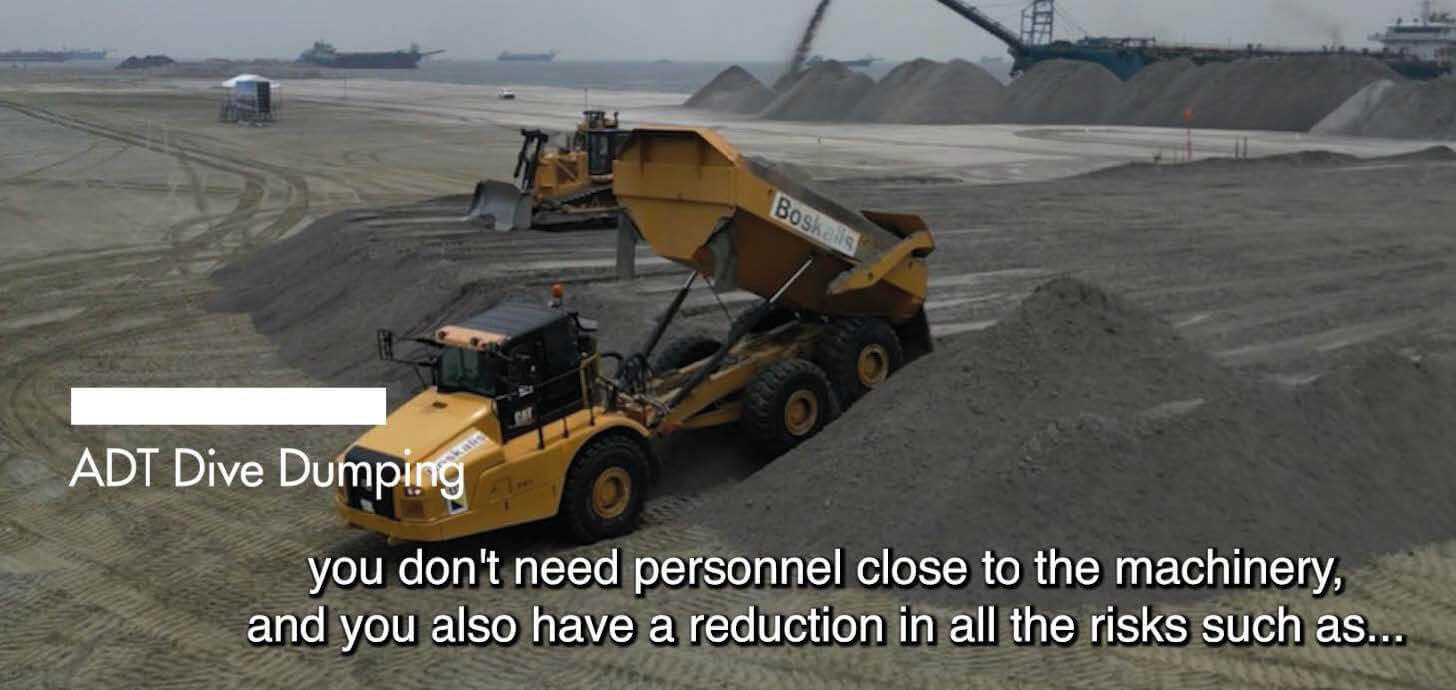
The forward dumping method for articulated dump trucks (ADTs) is a groundbreaking safety innovation developed and implemented by Boskalis that sets a new industry standard for how material is moved and discharged in reclamation and dredging operations. This method challenges decades of convention by eliminating the need for reversing during dumping activities. Instead, the ADTs are directed to drive forward over previously deposited, compacted material and discharge their load in a controlled, linear movement.

This operational shift is deceptively simple, but its impact is transformative. It eliminates a major source of incidents, increases production, reduces mechanical wear and removes the need for ground personnel near heavy equipment. The Forward Dumping Method is a no-cost, high-reward innovation and one that is immediately scalable across projects globally.

At its core, this method is a perfect embodiment of the NINA (No Incidents – No Accidents) values – it does not rely on behaviour-based compliance but builds safety directly into the design of the task. It does not manage risk, it erases it. It turns one of the most hazardous daily activities on site into a non-event.

MODULAR SOUND VELOCITY PROFILE WINCH BY JAN DE NUL

On trailing suction hopper dredgers (TSHDs) operating offshore without a floating auxiliary plant (FLAP), bathymetric surveys must be conducted on board. A critical part of this process involves regularly collecting sound velocity profiles (SVP), which requires deploying a probe into the water, allowing it to sink to the seabed and retrieving it to gather data. Across the industry, this task is still typically performed manually, exposing operators to significant safety risks, such as falling overboard when leaning over railings, rope entanglement leading to hand and leg injuries or burns, the danger of being pulled overboard if the rope becomes caught in the propellers and physical strain from repetitive tasks in awkward positions.

To address these challenges, Jan De Nul – together with Seatec – developed the modular, electrically driven SVP winch, also known as the Seatec Lier 113. This innovation offers a safer, more ergonomic solution by automating the launch and recovery of the probe, removing the n eed for manual handling near the vessel’s edge. Its lightweight, modular design makes it easy to assemble, move between vessels after use, while the integrated spooling system ensures smooth, tangle-free cable handling throughout the operation.

SHIP SPECIFIC SCAFFOLDING BOOK BY DEME

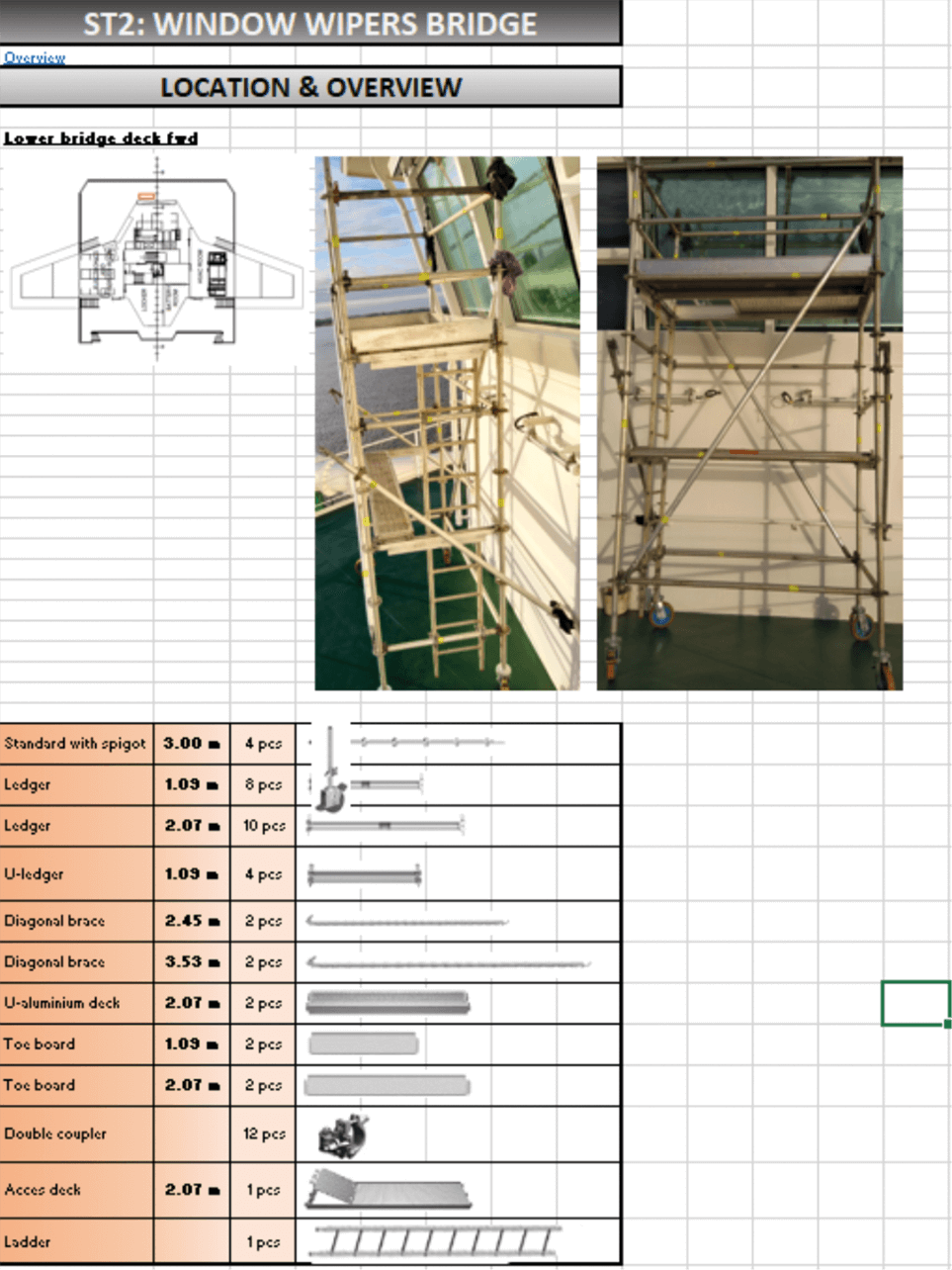
Whenever a vessel constructs a unique, complex or challenging scaffolding setup that has not been built before, it is documented in the scaffolding book. This avoids having to reinvent the wheel each time as crew can simply refer to the ship specific scaffolding book.

Each entry includes clear, high-quality photos of the completed structure together with a detailed list of all the scaffolding components used. In addition, helpful tips and tricks for handling specific features are also included. Having this information recorded and easily accessible allows everyone to understand the requirements and assembly process in situ.

By using the scaffolding book, crew are better prepared for upcoming jobs, allowing them to quickly and accurately rebuild the same setup when required. It not only saves valuable time but also ensures consistent safety standards across all teams and preserves knowledge even when crew members change.

SELF-CLEANING DRAG HEAD BY BOSKALIS

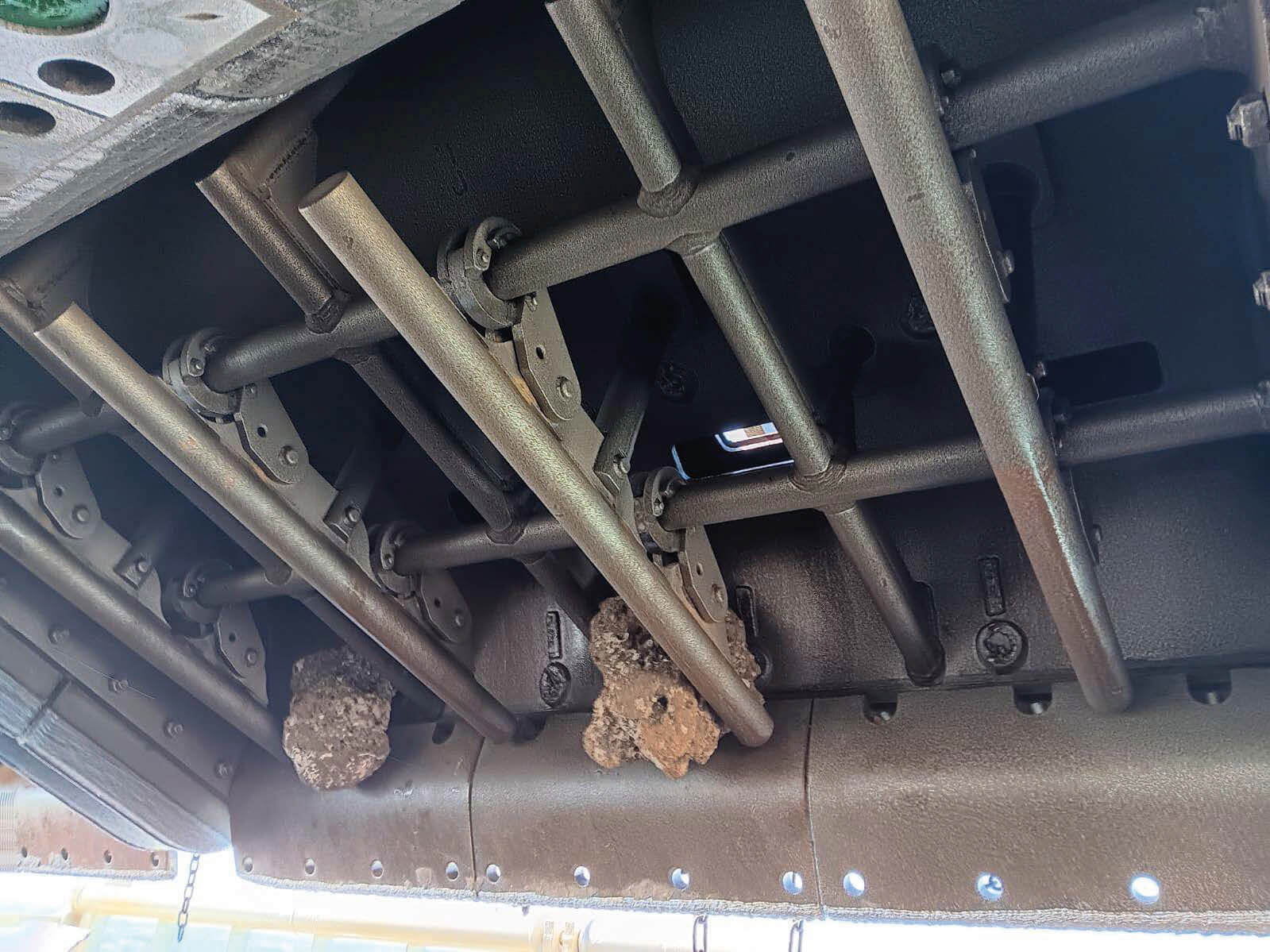
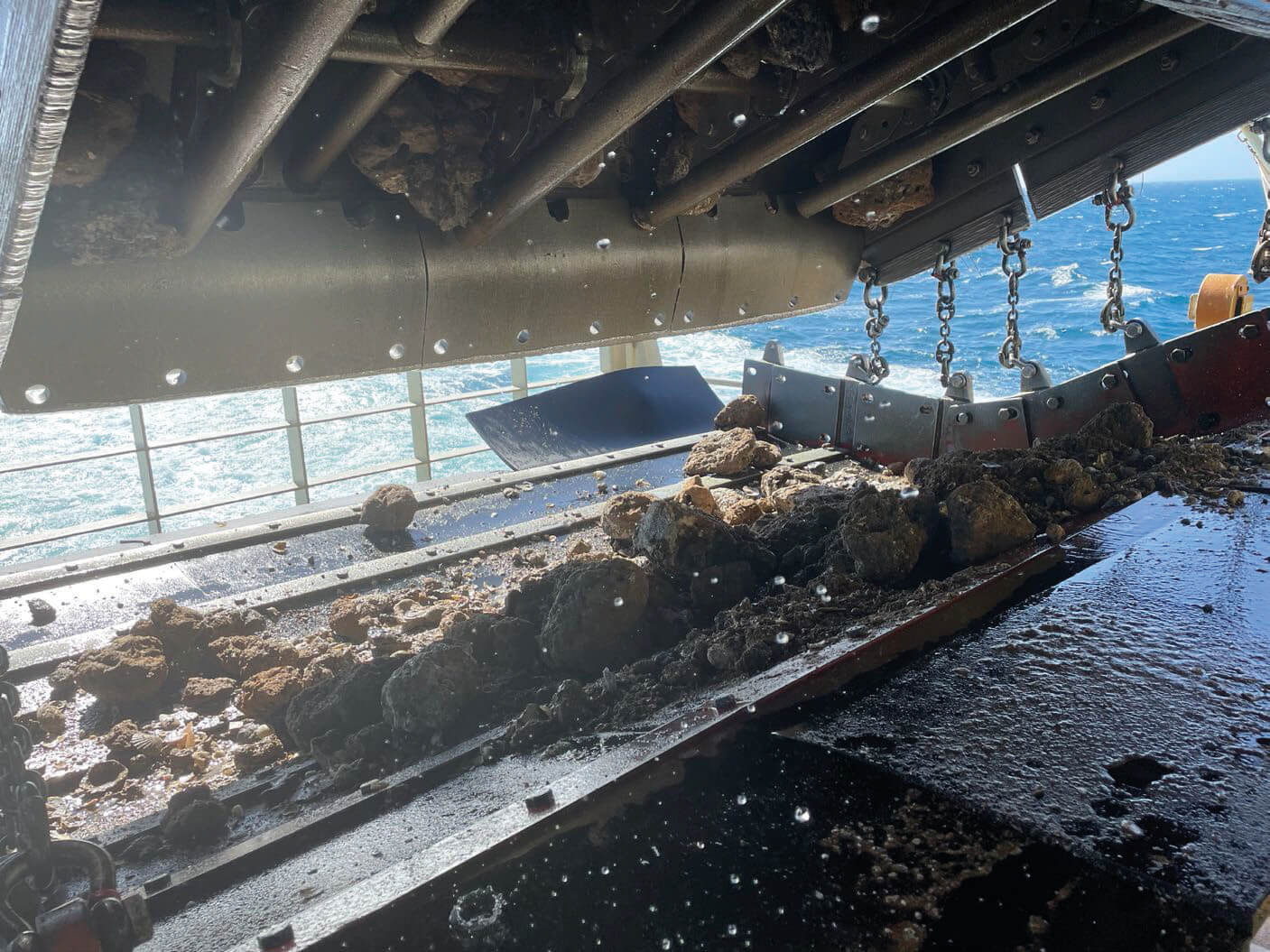
From a safety perspective the elevated position of a drag head on the inboard gantry cradle poses inherent safety risks when attempting to remove rocks and debris from within the drag head. The practice encourages personnel to work near or under suspended loads and contradicts established safety guidance. Particularly in environments where rock or debris is prone to becoming lodged in the drag head, the risk to crew members is notably elevated.

Boskalis’ self-cleaning drag head features a movable grid that supplements the fixed steel grating, which prevents large debris from entering the drag head. When blockages occur, the movable part of the grid can be activated remotely, temporarily increasing the grid aperture – both during dredging operations and while the drag head is stored on deck – facilitating the dislodging of obstructions without requiring manual intervention. This advancement not only reduces risk to personnel but increases productivity as blockages can be actively removed.

SAFE STORAGE OF METAL PLATES IN WORKSHOP BY JAN DE NUL

Metal plates, commonly used for repairs, maintenance and equipment fabrication in the dredging industry are stored in designated racks at Jan De Nul’s worksites. Safe access to the hoisting points on top of these big metal plates during storage and removal is both challenging and time consuming.

To address this safety risk, the workshop crew came up with the idea to fabricate ladders with railings to provide safe and easy access, and a platform with anti-slip features that can be installed in between the plate racks. Positioned 145 cm above ground level, the platform is fully enclosed between the racks, ensuring full compliance with industry best practices for working at height. The design also optimises space, which is a highly desired feature on dredging vessels with congested deck areas.

BARGE WASHING PUMP BY DEME

A common problem in backhoe dredging is dealing with an accumulated dredged material on barge passageways. After dredging is completed, normal practice is for the backhoe to take water into the bucket several times to clean up the spilled material. This is both time and fuel consuming, can add extra water in the hopper and is not efficient when dealing with sticky material.

To solve this problem DEME installed a barge washing pump on one of its backhoe dredgers. The barge washing pump is operated at the end of dredging while the barge is still being loaded. Once dredging is completed, the deck wash is also finalised and the barge can unmoor and cast off.

The installation has several benefits: it reduces production delay and improves fuel consumption while also eliminating exposure of crew to slips, trips and man overboard (MOB) hazards from manually cleaning the passageway.

MODULAR PONTOON FOR WORKING IN A SPUD WELL BY DEME

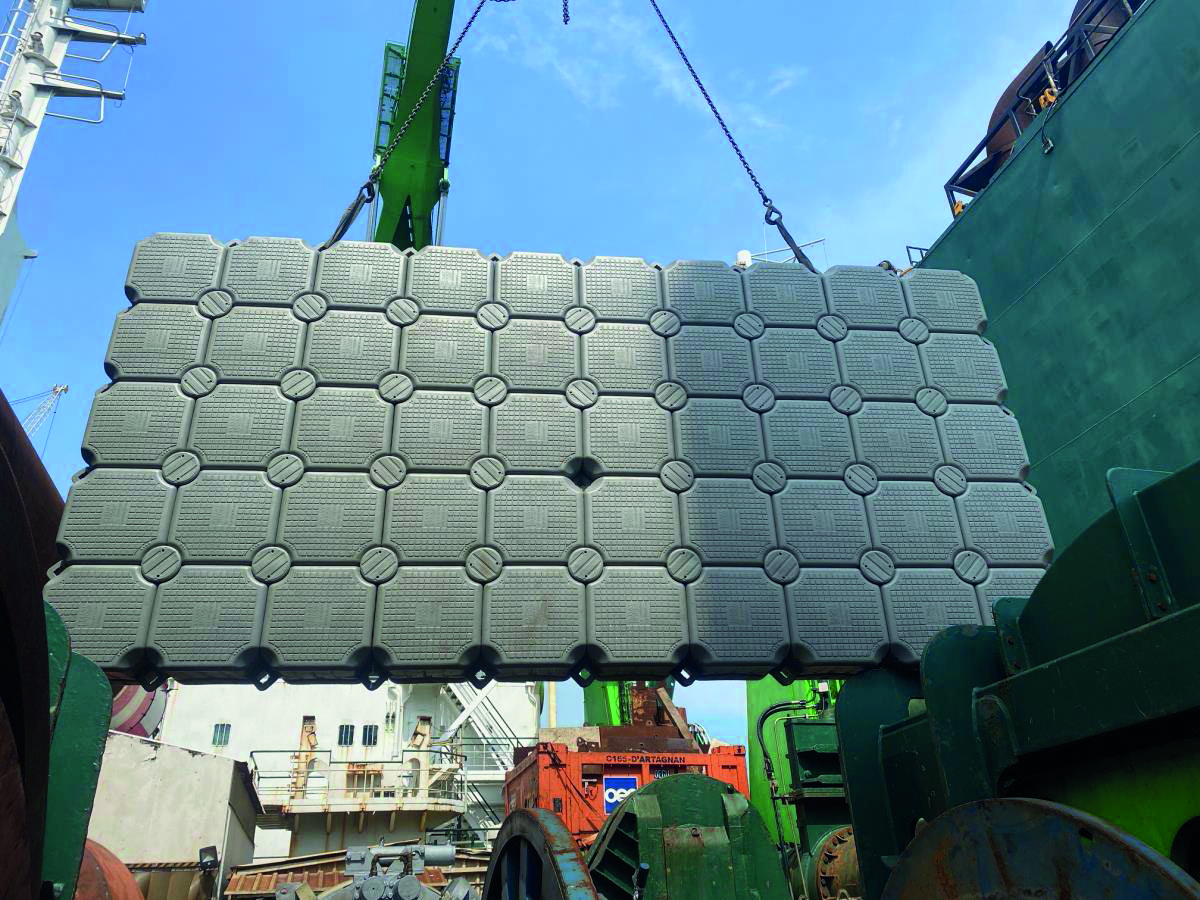
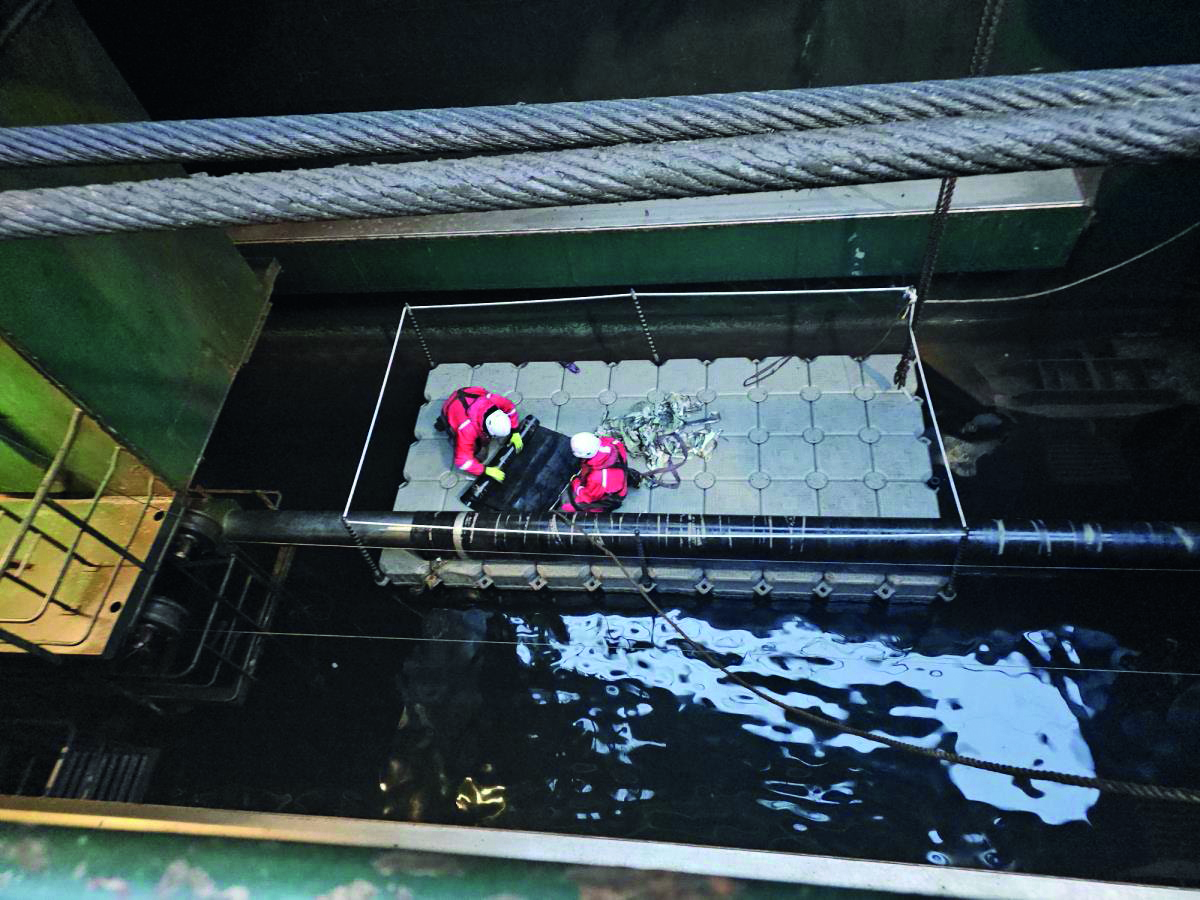
For works in the spud well of one of DEME’s cutter suction dredgers, the challenge was to execute the work in a safe way. Before, when works had to be carried out on the cylinder and other structures in the spud well, there was nothing in place to work safely. Small inflatable boats had to be used or the crew sat on the top of the structure wearing personal fall protection. Either way, it was not easy to execute the works.

To solve this problem, DEME introduced a modular pontoon. The result is a stable work platform with railings, which reduces the risk of falling into the water. It means crew are able to work ergonomically and incur less muscular stress when working from other structures that require personal fall protection to be worn.

RECLAMATION PIPE GASKET REDESIGN BY VAN OORD

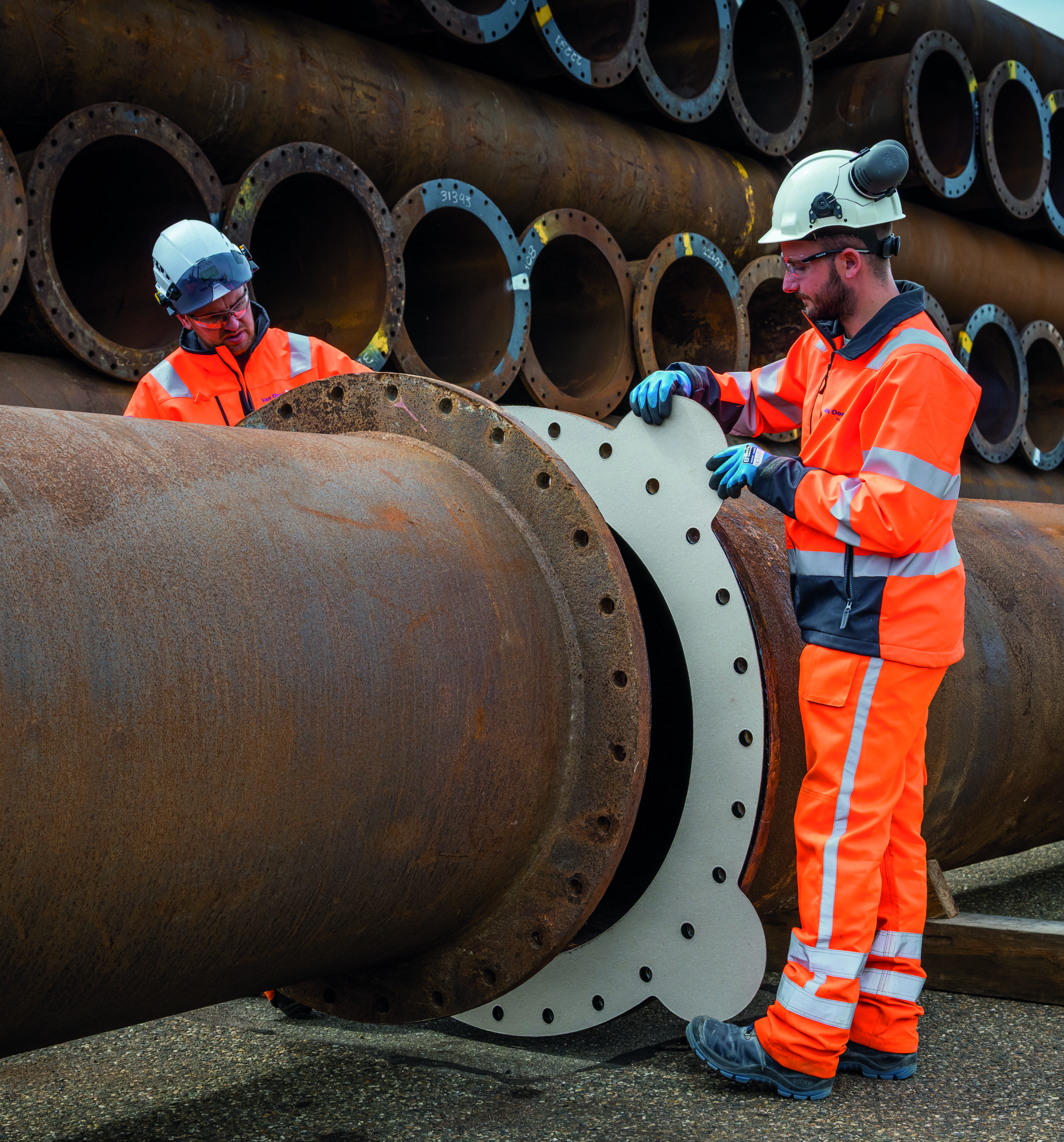
When connecting flanges of reclamation pipes, a gasket must be placed in between to seal the gap. The traditional type of gasket requires personnel to position the gaskets on the flange, keeping them in position with the openings aligned, while making the flange connection. This process carries the risk of finger injuries, due to the closeness of working to the flange.

Reclamation workers shared their concerns and came up with a design to reduce this risk. By adding “ears” to the gasket, the dimensions of which were designed to allow for easy handling, also while wearing gloves, it allows personnel to keep their fingers further away from the flanges while connecting the reclamation pipes. Therefore, reducing the risk of possible finger injuries.

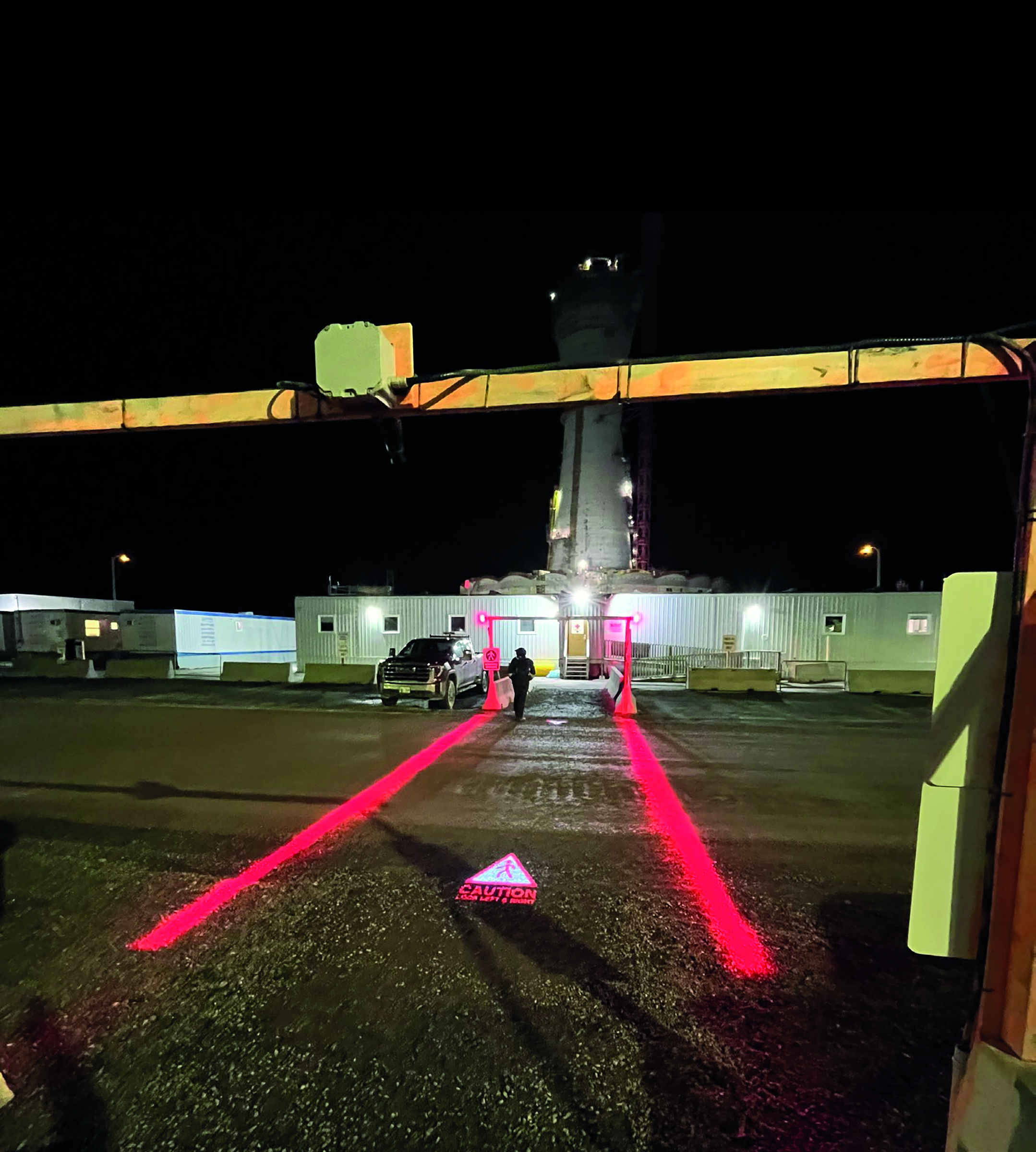
PEDESTRIAN CROSSING LIGHTING SYSTEM BY JAN DE NUL

Jan De Nul presents a pedestrian crossing system that utilises lighting to improve safety on dredging and reclamation sites. The system works by projecting illuminated stripes directly onto the ground, which can include surfaces such as sand or gravel, defining pedestrian crossing zones and making them highly visible, especially during hours of darkness.

The improved visibility ensures that both pedestrians and equipment operators can clearly identify crossing areas, reducing the risk of accidents. The system can include an additional projector to signal the crossing to pedestrians, further emphasising the designated walkway. This crossing system complements other safety measures, such as stop signs and call buttons, creating a more consistent and noticeable safety zone for all individuals on site.

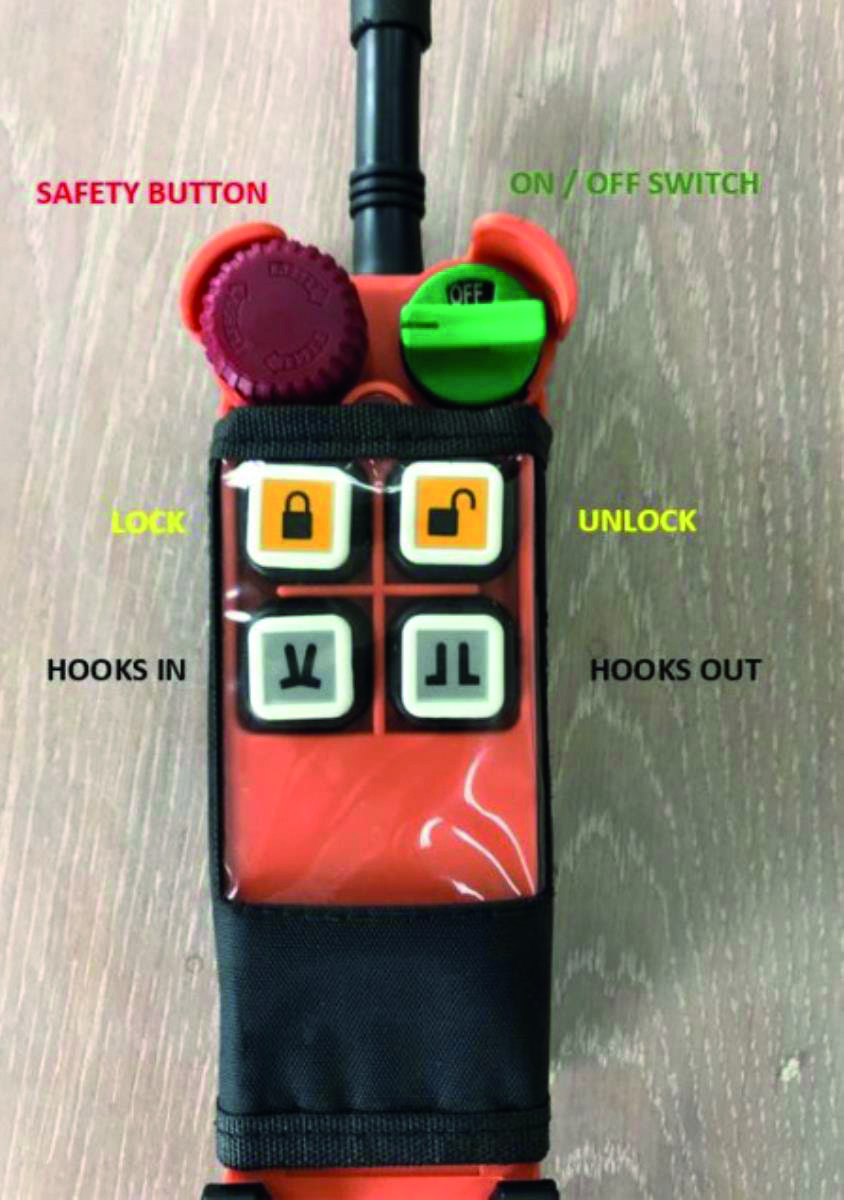
REMOTELY OPERATED LIFTING KEY BY DEME

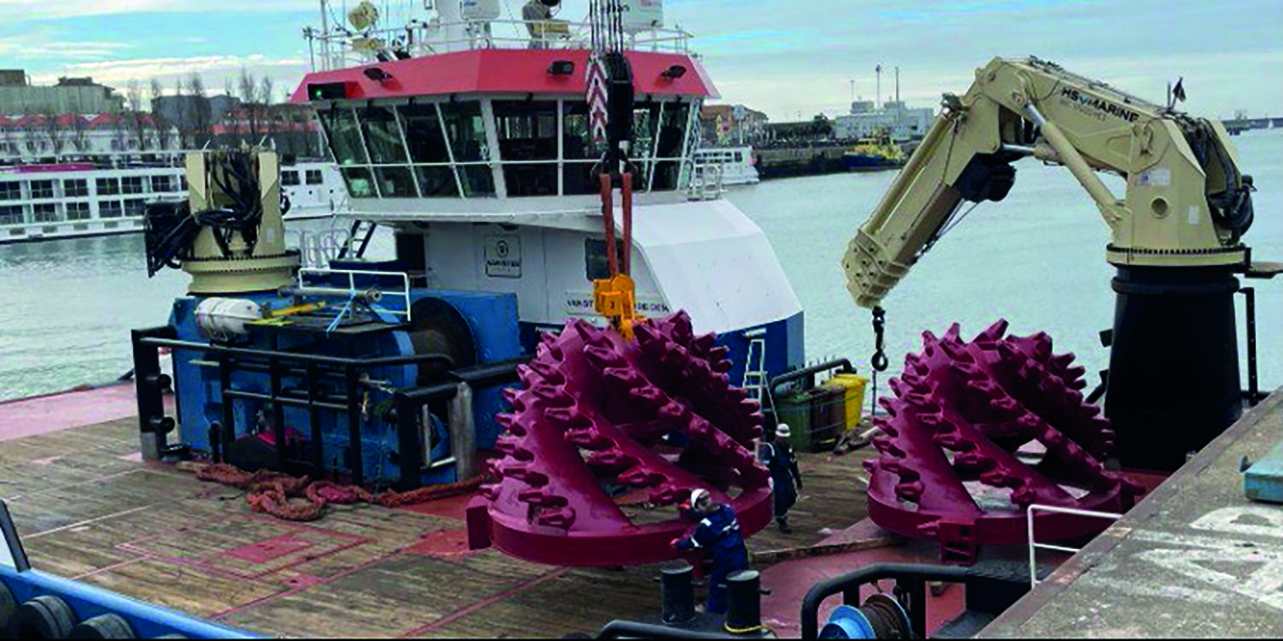
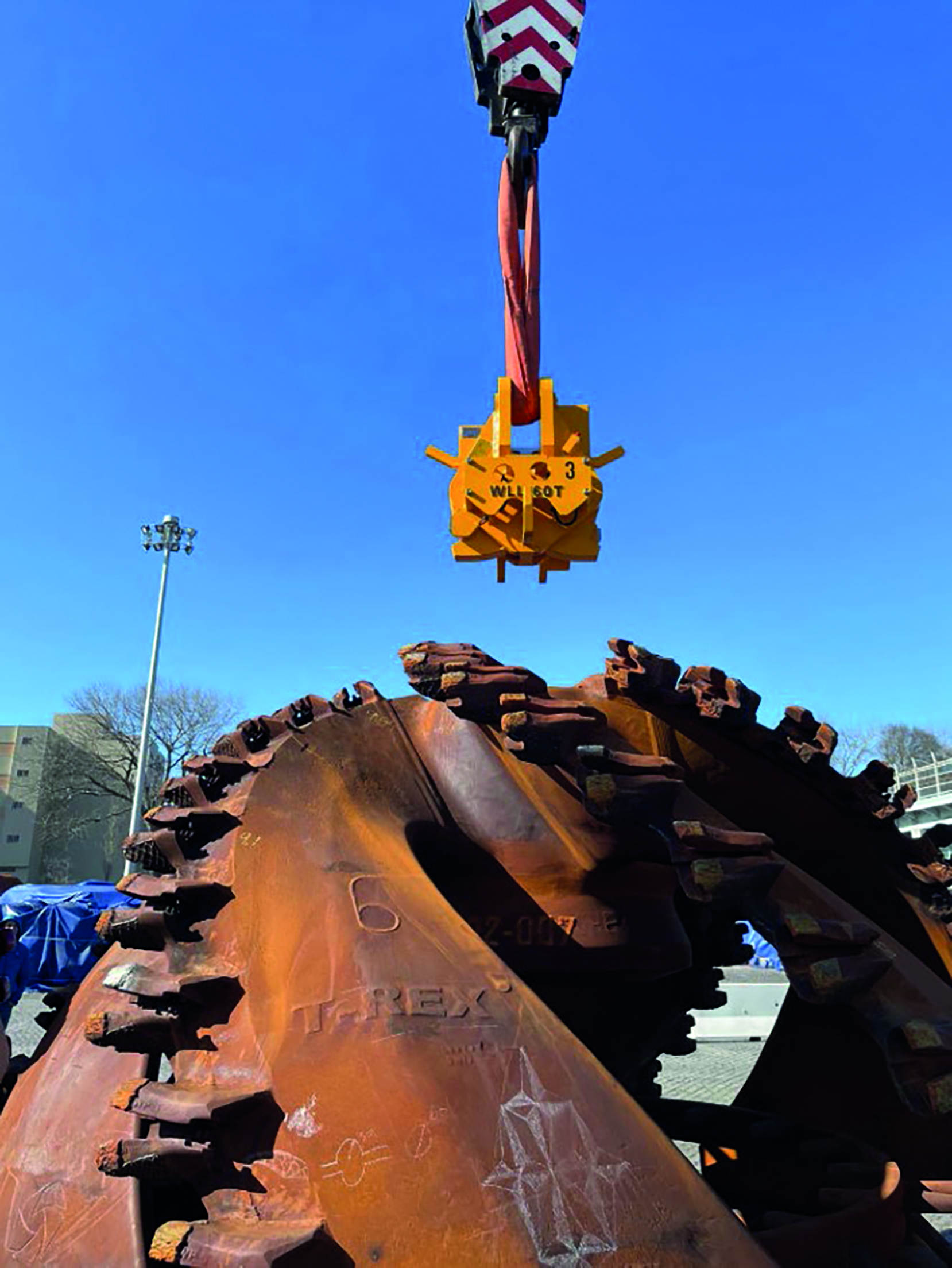
On a rock dredging project, the damage to cutterheads is considerably high requiring them to be replaced and repaired. One of DEME’s cutter suction dredgers has 14 different cutterheads, averaging a weight of 41 tonnes without teeth. Switching out cutterheads requires frequent lifts and in the past the rigging of these lifts was performed with chains around the blades of the cutter or with manual lifting keys.

However, this means it was always required for workers to climb on top of the cutterhead to connect and disconnect the lifting key or chains. And since the cutterheads of one of DEME’s cutter suction dredgers is more than 3 metres in height, this makes the task even more risky. Therefore, a vertical lifting key that is remotely controlled was developed. With the aid of this equipment, working at height risks are eliminated and cutterhead lifts can be performed without any incident in a safer and more effective way.

PDF download

Download the PDF version of this article with high resolution pictures and layout.

Single-page view

DOWNLOAD PDF Document | 3,06 MB

Two-page view

DOWNLOAD PDF Document | 3,04 MB

Share this page