

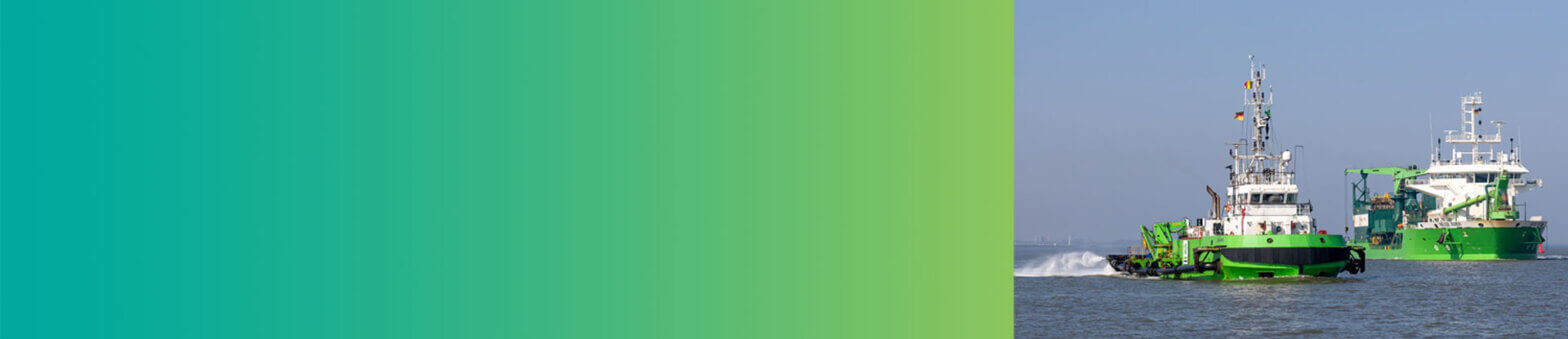
IADC Seminar on Dredging and Reclamation held from 23-26 November 2026 in Bali
A successful dredging project begins with insight and alignment, and this special 4-day edition of IADC's seminar on Dredging and Reclamation brings industry experts and participants together in an immersive, hands‑on learning environment — offered at a specially reduced price for this unique edition. WHAT Since 1993, IADC has provided a five-day-long seminar especially developed […]
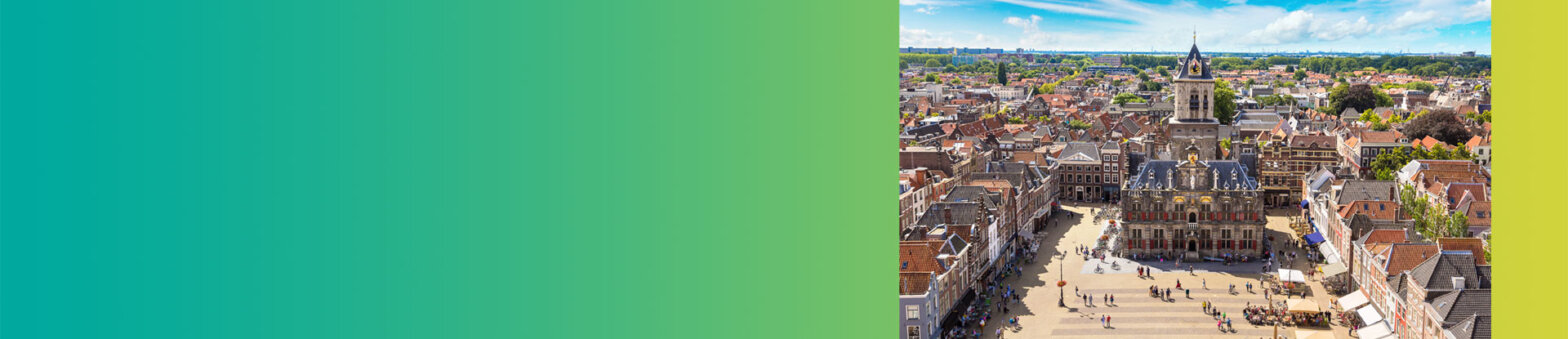
Course “Dredging for Sustainable Infrastructure”; 15-18 June 2026, Delft
Learn how to achieve dredging projects that fulfil primary functional requirements while adding value to the natural and socio-economic systems by acquiring an understanding of these systems in the context of dredging as well as stakeholder engagement throughout a project’s development.

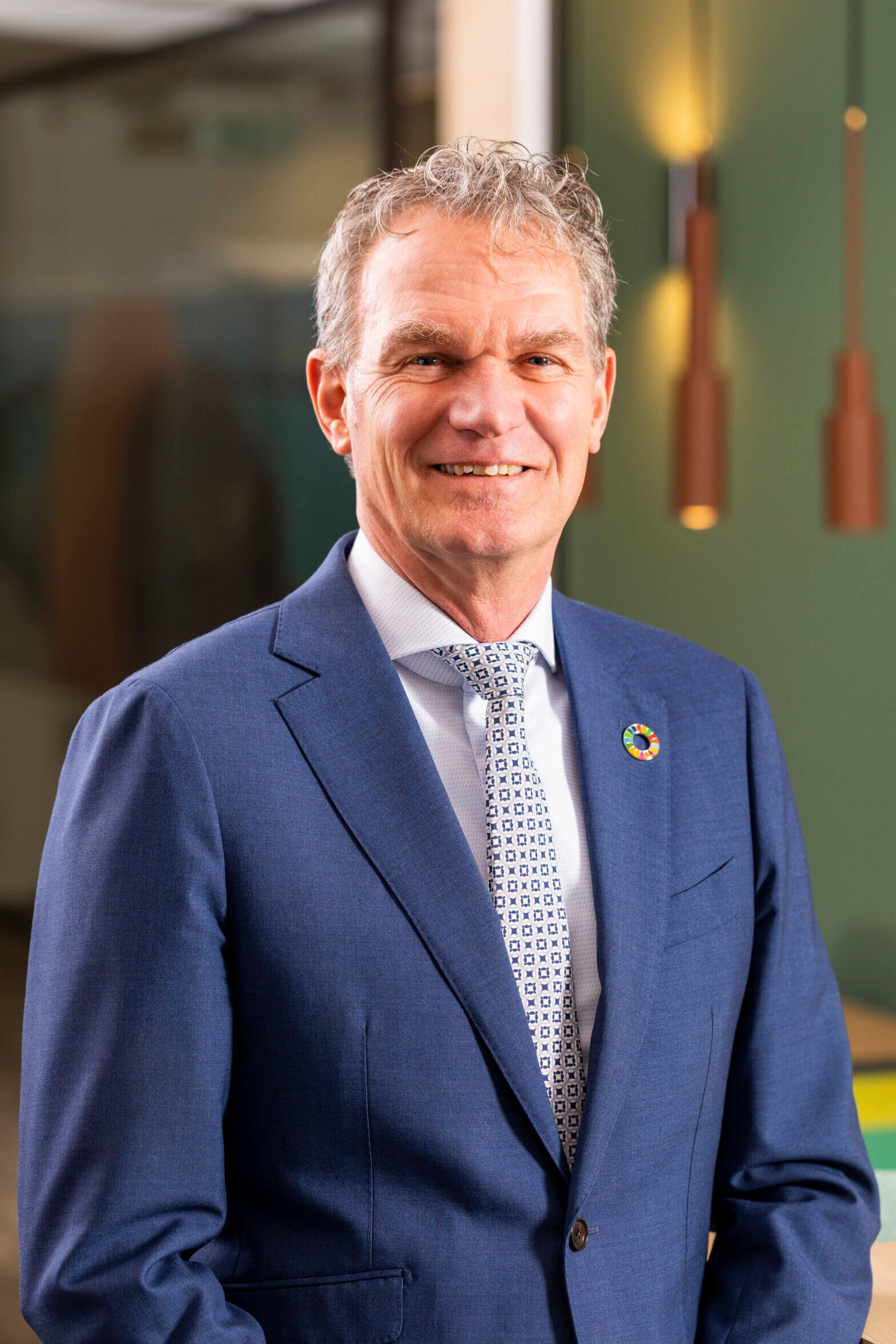
Editorial: Charting the next chapter
Frank Verhoeven, President of IADC, shares his thoughts on today’s issues related to the dredging industry and introduces the articles in this issue of Terra et Aqua.
Editorial: Creating greater social value
Guest editor - René Kolman, former IADC Secretary General
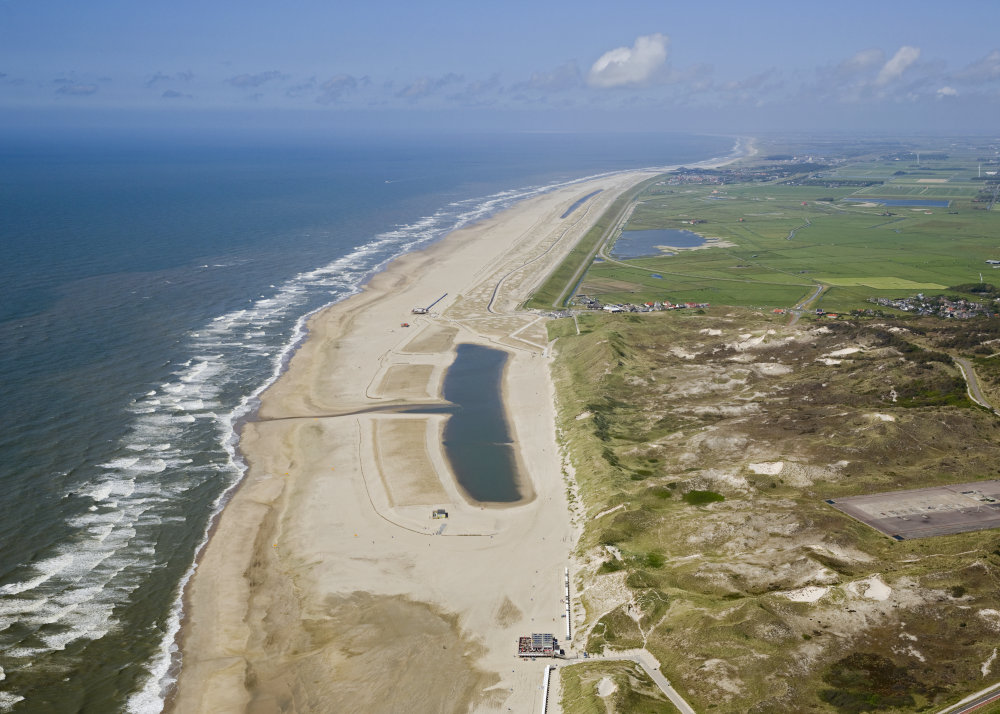
ASSESSMENT AND MANAGEMENT OF SUSTAINABILITY
In the last edition of DFSI Magazine, the concept of how to integrate sustainability in relation to dredging projects was explained. The focus of this article, adapted from the fourth chapter of the Dredging for Sustainable Infrastructure book (2018), discusses the assessment and management of sustainability activities that need to be implemented in a project and provides the theme for this issue.

Community-based ecological mangrove restoration IN QUELIMANE, MOZAMBIQUE
The Quelimane Mangrove Restoration (QMaR) initiative, led by Van Oord, demonstrates a community-based ecological approach to mangrove restoration. Through hydrological interventions and alternative livelihood initiatives, 4 hectares of degraded mangrove habitat are being restored. One year after implementation, seedlings have established and grown well, especially near natural water sources. Over 100 community members have participated in an alternative livelihood programme, reducing dependence on mangrove logging and improving household incomes. Some even made investments such as purchasing property, demonstrating enhanced economic stability. These results highlight the critical role of integrating ecological restoration with community empowerment and livelihood support in achieving sustainable mangrove restoration.


SENEGAL, NDAYANE PORT CREATING A COMMUNITY-BASED SUSTAINABLE IMPACT
How can we balance the economic benefits of a large port development with measures that protect society and the environment? The deep-water port of Ndayane, 50 kilometres south of Dakar, is a practical example. Developed by DP World, with dredging and reclamation works being done by Jan De Nul, this port facility aims to boost trade and drive economic growth in Senegal, while also showing how major infrastructure projects involving challenging dredging and reclamation activities can create added value for local communities and the surrounding environment.